Comunidade ODS dos participantes do curso "Astronomia Hands-On: Descobrir o Cosmos" promovido pelo Centro de Formação do NUCLIO. Este curso está acreditado pelo Conselho Científico-Pedagógico da Formação Contínua com o registo nºCCPFC/ACC-69425/12, tem uma duração de 25 horas presenciais, dando acesso a 1 crédito. A ação releva para efeitos de progressão em carreira de Professores dos Ensinos Básico e Secundário de acordo com o artigo 5º do Regime Jurídico da Formação Contínua de Professores e
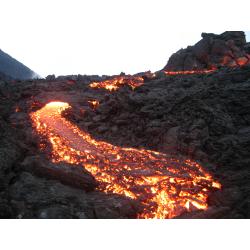
As children, we’re taught to paint cold things blue and hot things red. In science we learn that blue things are actually far hotter than red things! In this lesson, we will learn how hot objects radiate energy as light of many colors following what is called a black body curve. This community is part of the ISE hangouts series devoted to Astronomy and Space Science. Each community has an associated hangout where Dr. Pamela Gay, renowed astronomer and educator interviews scientists involved in
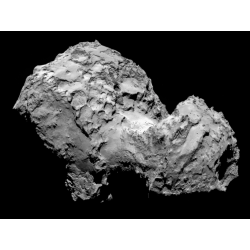
This subcommunity is dedicated to explore the topic of comets and their probable importance for life on Earth. This space will be populated with relevant tools and resources to help the construction of innovative and engaging scenarios related to comets and its exploration. This community is part of the ISE hangouts series devoted to Astronomy and Space Science. Each community has an associated hangout where Dr. Pamela Gay, renowed astronomer and educator interviews scientists involved in
Bem vindo à Comunidade FRONTIERS de Portugal! A comunidade portuguesa FRONTIERS é gerida pelo NUCLIO-Núcleo Interactivo de Astronomia e tem como objetivo oferecer aos professores um local de agregação onde podem encontrar colegas e descarregar recursos relevantes no âmbito do projeto. Alguma vez questionou como podemos integrar a Física Moderna na sala de aula? Acredita que descobertas entusiasmantes como a descoberta das Ondas Gravitacionais ou do Bosão de Higgs podem ser integradas na sua
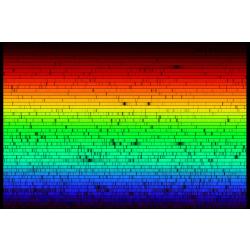
Today, we are able to study the universe in many colors that can’t be seen with our eyes. From detecting X-rays, to listening to the radio universe, we are able to use digital detectors to “see” hidden aspects of distant objects. In this Hangout, we will review the electromagnetic spectrum... This community is part of the collection of communities devoted to the Inspiring Science Educaiton Hangout Series. Each community has an associated hangout where Dr. Pamela Gay, renowed astronomer and
ESA and the Galileo Teacher Training Program (GTTP) have been organizing training workshops for science teachers every year since 2009. Participants have the chance to learn about innovative tools and methods that use space science and astronomy to engage students in the sciences. In addition to networking with their peers from across Europe, participants have the opportunity to gain new skills that will enhance their teaching methods and refresh existing lessons. This community aims to bring
Are you a science teacher? Do you want to enrich your classes with exiting experiments and appealing demonstrations? Do you want your students to get hands-on experience of doing science? Then join the Go-Lab project and its Pilot activities! We will support you in using the online labs and the Go-Lab Portal, help you create inquiry learning scenarios for your classes and implement them in Inquiry Learning Spaces. You will get access to the online labs and use them together with your students
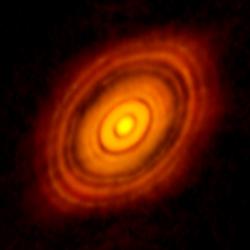
Our universe started as a fog of particles, but slight variations in density allowed the formation of stars, galaxies, and the large-scale structures of the universe. In this Hangout we’ll discuss early structure formation and fast forward to today’s stars with planets. This community is part of the collection of communities created in the framework of Inspiring Science Education Hangout Series. Each community has an associated hangout where Dr. Pamela Gay, renowed astronomer and educator
The Earth is warm because energy created in the core of the Sun is able to travel from the Sun’s Core to its surface, and then shine through space all the way to Earth. As it travels, the light is transformed from deadly high-energy particles to the nice warm light that keeps us alive. In this Hangout, we will discuss the primary ways energy is transported: convection, conduction, and radiation. This community is part of the collection of communities devoted to the Inspiring Science Education
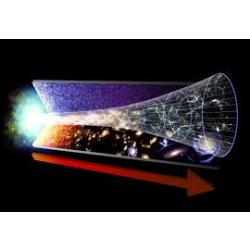
We can’t observer how the universe formed, but scientists are still willing to say that we know the universe was created through a Big Bang. In this scenario, students will learn the three main lines of evidence for the Big Bang: the universe is expanding, the Cosmic Microwave Radiation, and the mixture of chemical elements. This community is part of the ISE hangouts series devoted to Astronomy and Space Science. Each community has an associated hangout where Dr. Pamela Gay, renowed astronomer
Everything in our universe is made up of a very small numbers of particles, and is controlled by just four forces. In this community, we will discuss these basic building blocks of everything. This community is part of the ISE hangouts series devoted to Astronomy and Space Science. Each community has an associated hangout where Dr. Pamela Gay, renowed astronomer and educator interviews scientists involved in research related to the topic being addressed by the hangout. You can find the hangout