The problem
Food waste recycling.
The solution
Raise food waste awareness at school and at local level (municipalities)
The prototype
A free app with practical tips to recycle food. Create compost bin at school.
The societal actors
Municipality, Local supermarkets, Groceries, Local farmers.
Hosted by SALL , contributed by arispaliouras on 7 July 2022
At our school yard there are 10 big trees (plane trees) and every autumn fall their leaves. During that period, every day we fill a normal trash bin with leaves for at least a month.
So it came an idea to us. Why don't use it to make compost and then use it to our school garden ;
Aim
Recycling food and other organic waste
Recycling food and other organic waste into compost provides a range of environmental benefits, including improving soil health, reducing greenhouse gas emissions, recycling nutrients, and mitigating the impact of droughts.
Co-creation with societal actors
Stakeholders
- Municipality (Raise awareness and educate about the value of food through educational program or impacting campaigns stimulating citizens to reduce food waste)
- Local supermarkets (Participate in compost programs, Properly treating food that cannot be eaten through the promotion of recycling - composting)
- Grocery Stores (Participate in compost programs, Properly treating food that cannot be eaten through the promotion of recycling - composting)
- Local farmers (Farmers will use the compost and learn how to produce their own)
Implementation
Create an App and a Compost Bin
Learning Activity 1 : Context
- Discuss the recycling programs that may exist in the classroom (mixed paper), the cafeteria (polystyrene foam trays and utensils), and at home (curbside collection of: mixed paper and cardboard; glass metal and plastic containers; drink boxes, milk and juice cartons).
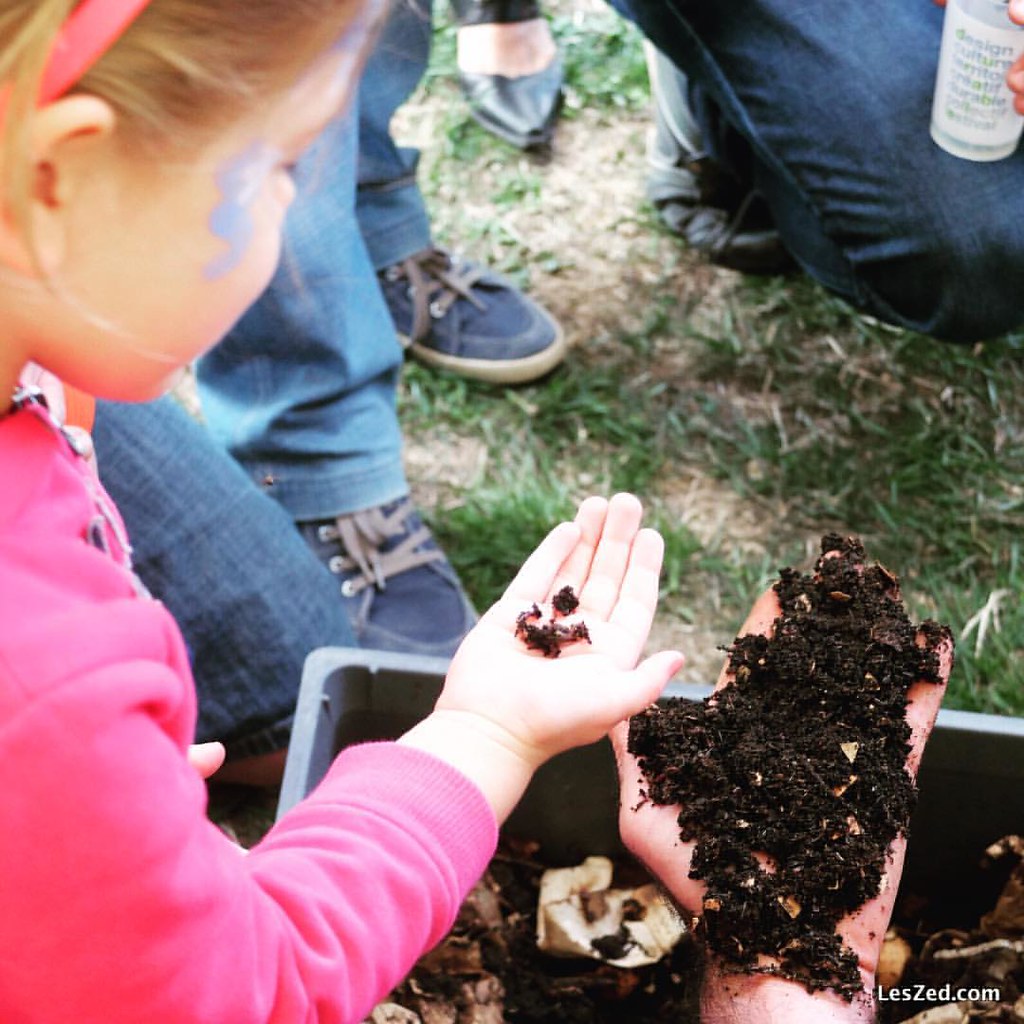
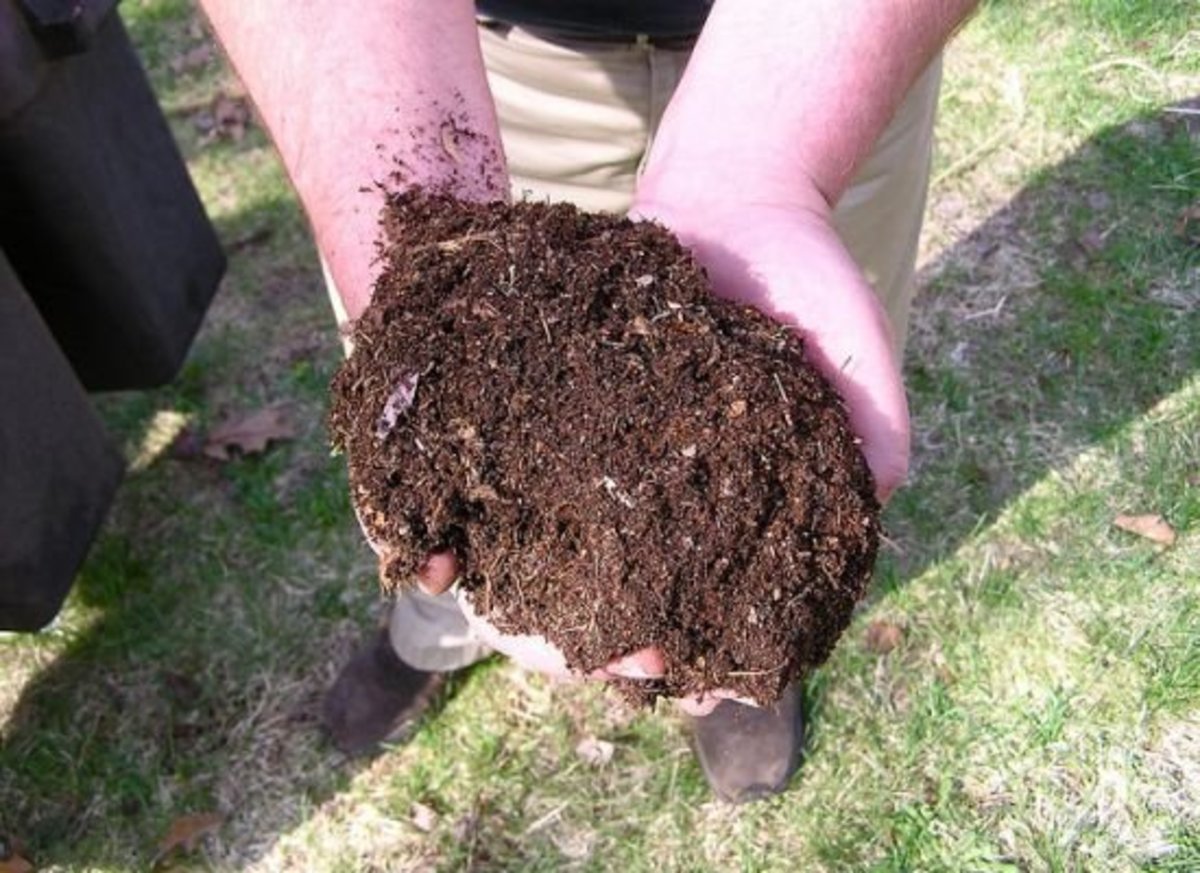
- Explain that composting is nature's way of recycling. To illustrate the nature of the decomposition process, pass around the paper cups containing finished compost for students to observe, touch and smell.
- Ask students to guess what the original ingredients were, and list the items on the blackboard. This will lead to a review of what materials can be composted. Their answers will indicate how much they already know about composting and provide a good introduction to the topic of how to make compost.
Learning Activity 2: Defining research questions
Students formulate a research question and design the “experiment”.
The students explore
- What is composting?
- Why compost?
- Who does the majority of the work?
- What do the soil organisms need?
- What do I need to create my own compost bin ?
Learning Activity 3: Constructing a compost bin
Students follow instructions to create their first compost bin
Learning Activity 4: Exploring App Inventor
Students explore the App Inventor environment to create a first app. They explore the difference of screen design and blocks to control the app.
The first step is to create the user interface and the second step is to create the building blocks.
Learning Activity 5: Developing the App
Students develop the App with practical tips to recycle food and other organic waste into compost. The app will also show the nearest municipality participating in a composting program.
Reflection
Discuss Experiences
The students discuss how the experience was.
They discuss how they can extend the approach to their communities.