Hosted by OSOS , contributed by Fernanda Freitas on 10 October 2019
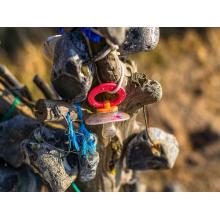
In this project students become detectives researching the "ususal suspects" polluting their beach. These can be plastics, microplastics, cigarret budds, glass bottles, etc..
Through a series of proposed exercises, students will learn about plastic pollution and pollution in general, sustainable consumption and will fight to raise awareness in their community in order to protect their local marine fauna and flora as well as their own health and life.
This activity has been created and adapted by ABAE - Associação Bandeira Azul da Europa in the framework of the Islands Diversity of Science Education (2017-1-PT01-KA201-035919), co-financed by the Erasmus+ agency of the European Union).Erasmus + project.


Teachers should copy this accelerator and edit it in order to leave a set of specific guidelines for their students to follow, according to the activities chosen to be developed.
Supporting documents and translations to other languages can be found through the following link: https://idiverse.eu/marine-litter-the-usual-suspects-at-my-beach/
Introduction to the problem

Marine litter and in particular the accumulation of plastic, has become a global environmental issue and a growing concern since the rise of the plastic industry in the mid-1950s, becoming now a risk to human health and putting at risk a variety of marine species.
Aside from its wide and adverse range of impacts, both for marine fauna and flora, marine debris can also have substantial negative socio economic impacts. It can cause economic losses to commercial fishing and shipping, as well as industries such as recreation and tourism.
There are primary and secondary sources of microplastics. The distinction is based on whether the particles were originally manufactured to be that size (primary) or whether they have resulted from the breakdown of larger items (secondary). Some plastics are intentionally designed to be small. They're called microbeads and are used in many health and beauty products. They pass unchanged through waterways into the ocean. Wastewater treatment plants are not designed to filter microspheres and therefore, they cause a number of impacts on the marine environment, as they are impossible to remove.
Through several studies on the subject, we know today that globally:
- every year, between 1.15 and 2.41 million tons of garbage reach the ocean through the rivers.
- up to 80% of the pollution of the marine environment is land-based.
- about 50% of plastic is used for single‐use disposable applications.
- it is estimated that about 8 million tons of plastic will stop annually to the ocean.
- cigarette butts are the item that appears in greater number in the beach cleanings.
- one million birds and 100,000 marine mammals die every year due to plastic pollution.
- it is estimated that only 8% of the plastic waste is larger than a bottle cap.
Learning Objectives
Through the framework of the marine litter problem, students will work on questions related to its causes and consequences on marine ecosystems contamination, learning about sustainable consumption and waste management.
Considering this, students will research their local beach, collect marine waste, analyse their consumption of microbeads figure out solutions to improve community awareness and the implementation of measures/solutions.
Opportunities to collaborate with stakeholders
Students will contact with the community when researching their local beach and collecting evidence related to the level of awareness and lifestile habits of their families, neighboors and community members. Studens can also contact with their municipalities in order to discuss, create and share their ideias about how to solve the problem. The final step of this project is the sharing of their solutions with the community.
Sustainable Development Goals (SDG)
|
Quality Education
|
4.7 By 2030, ensure that all learners acquire the knowledge and skills needed to promote sustainable development (…). |
|
Responsible Consumption and Production
|
12.2 By 2030, achieve the sustainable management and efficient use of natural resources. 12.5 By 2030, substantially reduce waste generation through prevention, reduction, recycling and reuse. 12.8 By 2030, ensure that people everywhere have the relevant information and awareness for sustainable development and lifestyles in harmony with nature
|
|
Life Below Water
|
14.1 By 2025, prevent and significantly reduce marine pollution of all kinds, in particular from land-based activities, including marine debris and nutrient pollution. 14.2 By 2020, sustainably manage and protect marine and coastal ecosystems to avoid significant adverse impacts, including by strengthening their resilience, and take action for their restoration in order to achieve healthy and productive oceans. |


Responsible Research and Innovation
One of the key aspects of OSOS is the inclusion of RRI - Responsible Research and Innovation - principles (RRI-Tools.eu). This is how this accelerator fits in the RRI model:
|
Governance |
This accelerator is based on a fundamental key point which is to teach students what science is and how to make a valid and respectful science research. It highlights the fact that science needs to be shared in order to be valid, it needs to be transparent and collaborative so as to contribute to the development of our society. In this project, students reflect with the community on the problem and will co-create possible solutions sharing, in the end, all their work, including their research process. Furthermore, students will share their results and conclusions with other communities worldwide and through the collaboration between their teachers. |
|
Public engagement |
Students will interview their communities as well as important stakeholders, i.e., experts in the problem they are working on. After collecting their data, students will discuss with their parents, other family members, friends, community, etc, about possible effective and applicable solutions to the problem in their communities. The whole activity will focus on the engagement of students with their community so as to take into account their real needs when solving a problem. |
|
Gender Equality
|
The problematic involved in this project is transversal for all humans in the world, regardless of their gender. At no moment, the gender of the students will be asked or relevant. On the resources created for the teachers advise is given in order to provide equal opportunities, not only for both genders but also among all the different personalities. In the guidelines given to the students an effort is made to use both male and female role models as inspiration, as well as male and female icons and individuals in pictures. Teacher are also advised to find experts of all genders and invite them to work with their students. |
|
Science Education |
Students will be engaged in Inquiry-Based activities that will lead them through the scientific method and reasoning. It is expected that after creating their projects, students will have understood what science is and how scientific knowledge can be obtained and communicated. By working with the community and sharing their work in the end, students will bring science education to their community as well as awareness for important scientific questions. |
|
Ethics |
During the project students will understand that cooperating and collaborating is a much more valuable effort than competing, and that knowledge and good ideas should be used in an ethical way and shared with others. When in collaboration, Scientists can overcome nearly any obstacle and provide what is necessary for a safe, developing and growing society |
|
Open Access |
After finishing their research, students will share all their work with the community, providing a fully open access to their data and conclusions. |
Feel
Marine Pollution Effect
How does marine pollution affect human health and the quality of marine ecosystems?
- A poluição marinha prejudica, de diferentes modos, a saúde humana. A ingestão de microplásticos pelos animais marinhos que posteriormente nos alimentam, leva ao consumo indireto de pequenas quantias de plástico, prejudiciais à nossa saúde. No que toca o aproveitamento dos recursos naturais oferecidos pela região onde vivemos, ficamos limitados se as condições das praias não coincidirem com as "padrão", afetando os nossos momentos de lazer e higiene pessoal.
- Marine pollution in different ways harms human health. The intake of microplastics by marine animals that later feed us leads to indirect consumption of small amounts of plastic, harmful to our health. With regard to the use of the natural resources offered by the region where we live, we are limited if the conditions of the beaches do not coincide with the "standard", affecting our moments of leisure and personal hygiene.
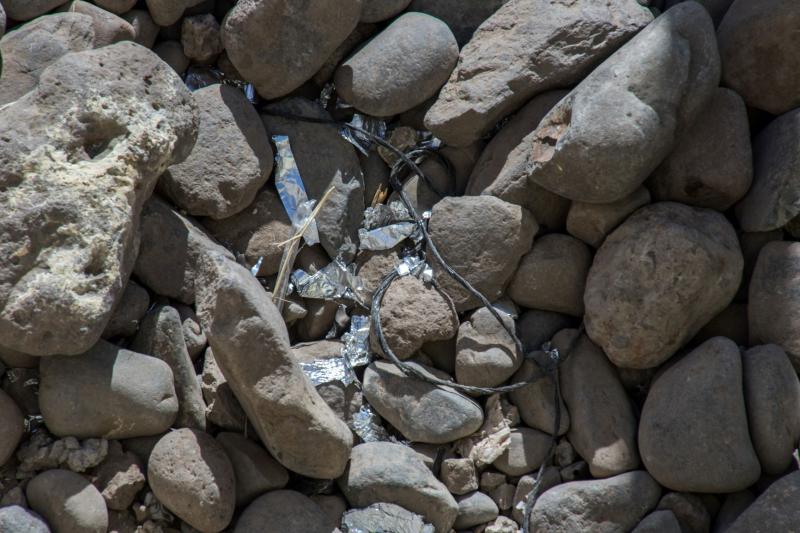
Which is the origin of marine litter? How does it end up in the sea?
- Os resíduos marinhos têm múltiplas origens. Os plásticos que embalam as comidas que ingerimos, os cotonetes e produtos de higiene já usados, os resíduos resultantes da confeção de alimentos, os adubos químicos que sobram das produções agrícolas, os produtos de excreção das indústrias, entre outros, são algumas das origens do lixo marinho. O seu transporte é efetuado através das águas pluviais, da agricultura, dos rios e ribeiras ou até mesmo, através do relevo, do vento e da ação humana.
- Marine waste has multiple origins. The plastics that pack the food we eat, the cotton swabs and hygiene products already used, the food waste, the chemical fertilizers left over from the agricultural productions, the excretion products from the industries, among others, are some of the origins of this product. marine litter. They are transported through rainwater, agriculture, rivers and streams or even through relief, wind and human action.
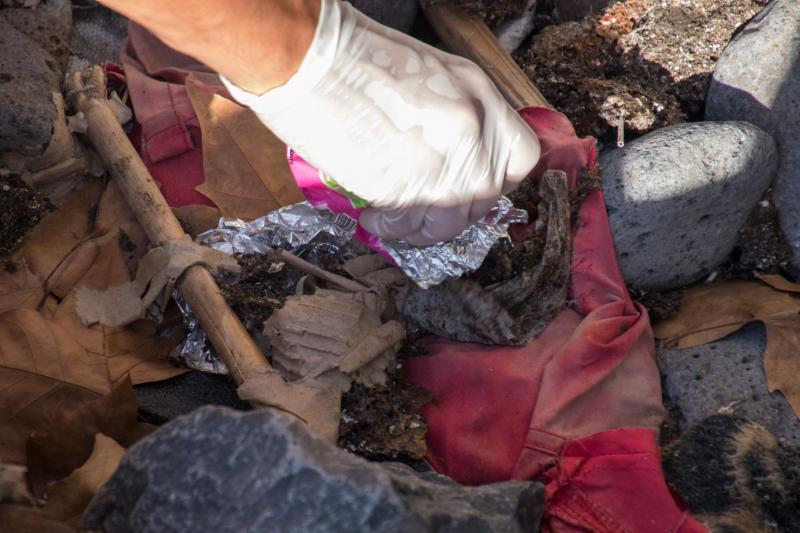
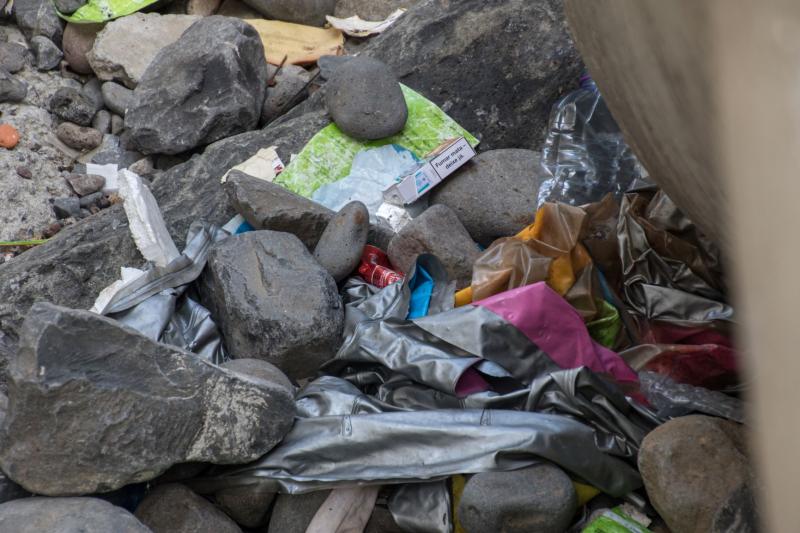
What kind of waste appears in the sea?
- Os resíduos que encontramos com mais frequência são os de origem doméstica, industrial e agrícola. No fundo, todo o tipo de lixo produzido em terra deságua nas águas marinhas.
- The residues we find most often are those of domestic, industrial and agricultural origin. In the end, all kinds of land-based waste flows into the marine waters.
How do microplastics and microbeads appear in the sea and coastal areas?
- Os resíduos chegam ao mar na sua dimensão normal. Ao longo do tempo e através de processos físicos e químicos, vão atingindo dimensões muito reduzidas, senddo considerados "microplásticos".
- Waste reaches the sea in its normal size. Over time and through physical and chemical processes, they reach very small dimensions, being considered "microplastics".
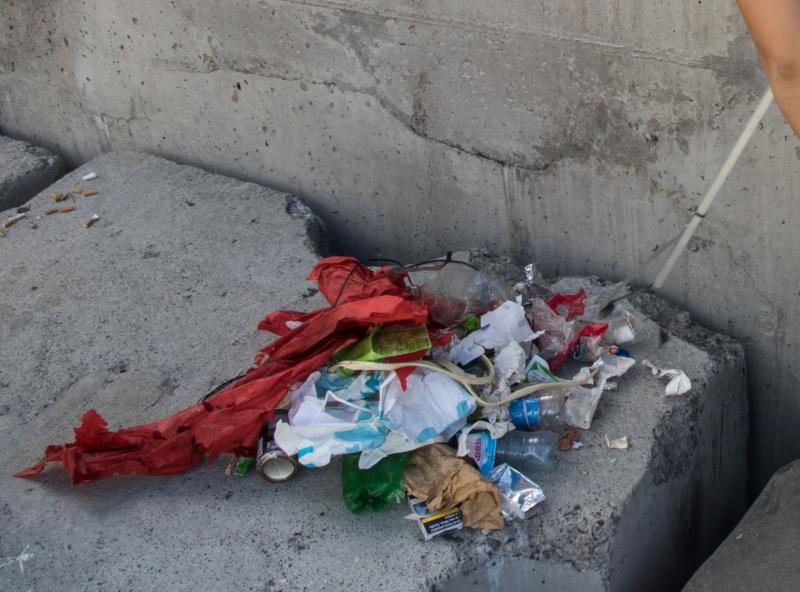
How long does marine litter last in the sea?
- A partir do momento que o lixo chega ao mar, permanece lá até ser totalmente degradado, processo que demora milhões de ano.
- From the moment the garbage reaches the sea, it remains there until it is completely degraded, a process that takes millions of years.
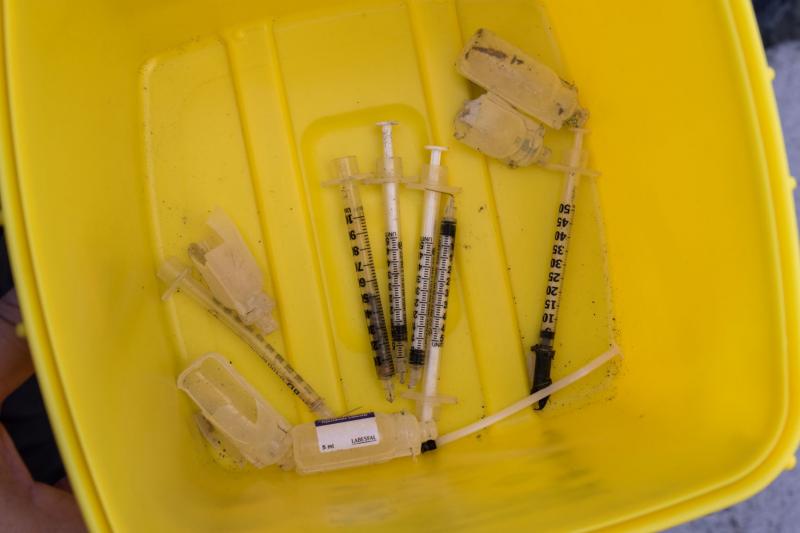
Why have green alternatives to fossil-based plastics made a splash in recent years?
- Apesar de ser menos prejudicial, estes novos métodos têm efeitos negativos.
- Although less harmful, these new methods have negative effects.
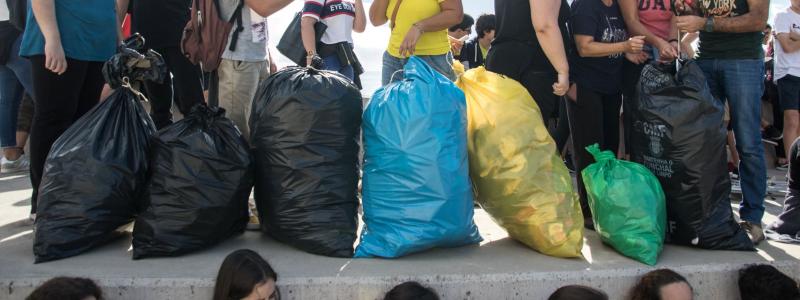
Imagine
Society Awareness
- There are immense problems and bad habits associated with the theme of marine pollution. Our work focuses on the perception of these problems and on obtaining easy and practical strategies based on comments from people living in different realities.
- The widespread consumption of plastics is widely recognized by all social classes and ages. All of us, several times a day, use plastic in situations that are already trivialized. We have already carried out activities to collect these plastics and call for recycling, near beaches near our school. However, in most cases, the purchase of plastic is associated with the possibility of purchasing from the population and the lack of means to obtain more ecological and renewable products, but also with a higher cost of sale. In this way, we intend to reach society by passing the message of the need for Symbiosis between the economy and sustainable development. Classes with lower purchasing power have to be offered the possibility to purchase products that allow the sustainability of their region. The concept of sustainable development is for everyone, regardless of purchasing power or age. Since this problem is global, it affects everyone and therefore, it is everyone's duty to contribute to this cause. Therefore, recycling, reuse and renewal of plastic is essential so that all of us can, in different ways, contribute to this fight!
Create
Thinking about a solution
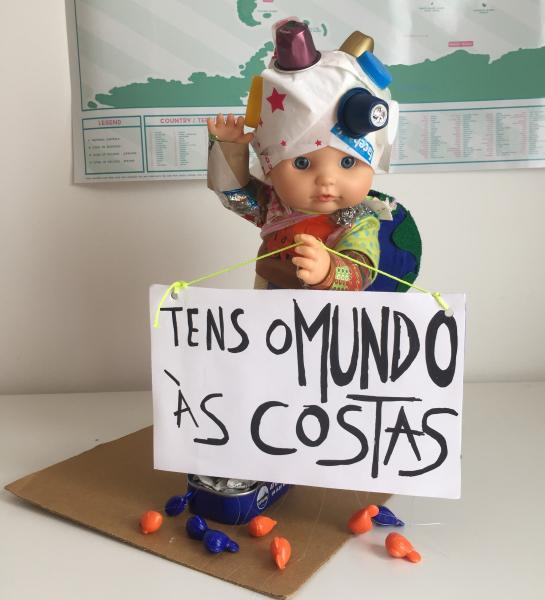
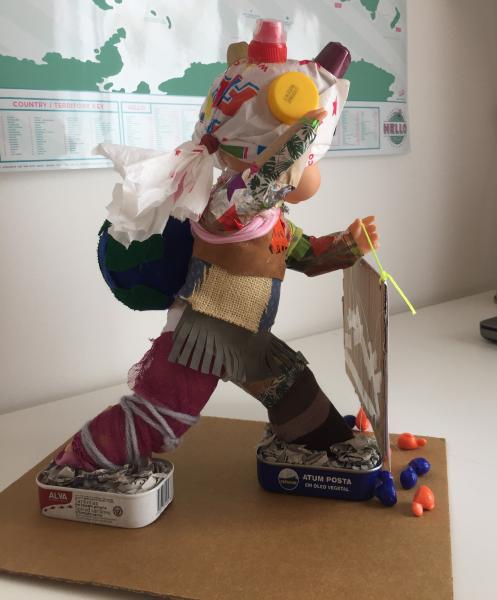
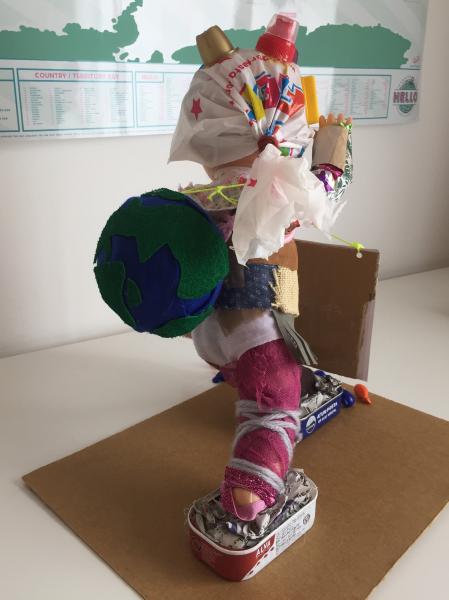
- Our solution is to send the message that the consumption not only of plastic, but also of other materials that destroy the environment, is already trivialized by a large part of the population and that it is necessary to break this idea. For this, we created a sculpture made only with garbage that aims to convey the image of the amount of garbage produced by us in our daily lives. All materials were in our house and were forgotten and unusable.
Share
Final Project
- Our work will be exhibited at the Liceu Jaime Moniz school as soon as it reopens.
Beatriz Gonçalves
Alexandra Gouveia
Apolo
Bruno