Hosted by SALL , contributed by acharalambo1 on 25 January 2023
Pozadina zadatka
The teacher and the students were familiar in advance with the implementation of school projects (mainly related to environmental education and entrepreneurship) in collaboration with external stakeholders and parents. The teacher and students also devoted a lot of time in order to study concepts related to the food system, as well as to identify potential collaborators in their local community. The initial concepts proposed by the teacher concerned recycling but through brainstorming with students they were able to propose project ideas to the school that concerned their local community in a greater extent. The teacher formed a group of eleven students to start the LL in their school which were then divided into two groups with two different project goals. This decision was made in order to maximize participation since students expressed different interests.
Cilj
The school aims at addressing different issues that concerned the students participating in the Living Lab and the overall community. Their more complex idea was to minimize food waste by collaborating with local supermarkets in order to reuse expired canned food and unsold fruits and vegetables. The end goal was to not throw away expired canned food or fruits and vegetables and instead, finding alternative ways to deal with such food that will benefit people in need (e.g. donation, sell products at lower prices when they are close to their expiration date, sell fruits and vegetables that are not needed or are spoiled to companies for composting them or selling them as bio-soil or as animal food). Hence, they can help to preserve the environment since their suggested solutions promote recycling and reuse.
Another goal was to introduce Tiganokinisi (i.e. collection of cooking oil for turning it into biofuel) in their school. While students were studying the problem of food waste, they came across the project of Tiganokini running by AKTI Project and Research Center in which many schools in Cyprus are already participating in. Students learned that they can bring cooking oil from their homes in order for the organization to collect it and turn it into biofuel by burning the oil to heat water and using the steam for electricity. Moreover, students studied the benefits of this project and found out that throwing oil harms the environment, it is a cheap way to produce electricity, the oil is commonly found in every house and is used in a variety of industries.
The other aspect of their project concerns the reduction of plastic materials used by the students and the school cafeteria. The students decided to firstly raise awareness about the amount of waste their school produces and the impact of the use of plastic in our environment in different ways (e.g., creating posters, presentations etc.).
Zajedničko stvaranje s društvenim akterima
To achieve their goal of minimizing food waste one of the students' group initially identified relevant societal actors and then decided to firstly contact their local supermarket since it was the most important collaboration they wanted to establish. The Lidl Cyprus and Greece supermarket agreed to have a meeting with the school during which the students pitched their project idea and discussed different ways of collaborating in the next school year.
The second group of students contacted the AKTI Project and Research Centre which is the responsible organization for the Tiganokinisi initiative. During their meeting, the organization explained to students the process that needs to be followed to introduce Tiganokinisi in their school. They explained that they will place a big container in their school and then the students, staff and parents can bring the cooked oil from their home in small jars to collect it in big container. The school will then receive money which they can use for other projects.
Provedba
Identifying a problem - conceptualizing their goal
The initial meetings were focused on brainstorming different ideas and problems/issues that concerned the students, as well as their local community, in regards to the food system theme. The students identified an abundant of issues they were interested in but they felt stuck on finding ways to resolve them since some of them were very generic or did not have an immediate connection to their community. Here are some of their initial ideas:
- Animal welfare in farms – students feel animals are not treated as best as they could – They did a lot of research, but they could not find much that they could do.
- Too much food wastage – It has potential, but they did not have a specific idea in mind.
- Less people interested in becoming farmers or involved in traditional food production – The school is not in a rural area.
A brainstorm with students with the coordination of the University of Cyprus followed to help them identify implementable solutions. Different ideas related to their school community were discussed such as to have healthier options in the school cafeteria, to create a vegetable garden, to use leftover fruits from a close by supermarket or from their school to create products. In addition, different societal actors that could potentially be involved in the project were identified and different ways in which they could be approached were discussed. Furthermore, the teacher offered guidance to the students in making their project ideas more specific by discussing specific solutions to the problems that they were interested in and ways to overcome issues like funding or COVID-19.
After this initial brainstorm, the group presented to the administration staff of the school some ideas that had potential and decided all together which of these ideas were the most plausible ones and the most interesting for the students.
Two teams were finally formed:
Team 1 – food wastage
Students formulated the following ideas to minimize food waste:
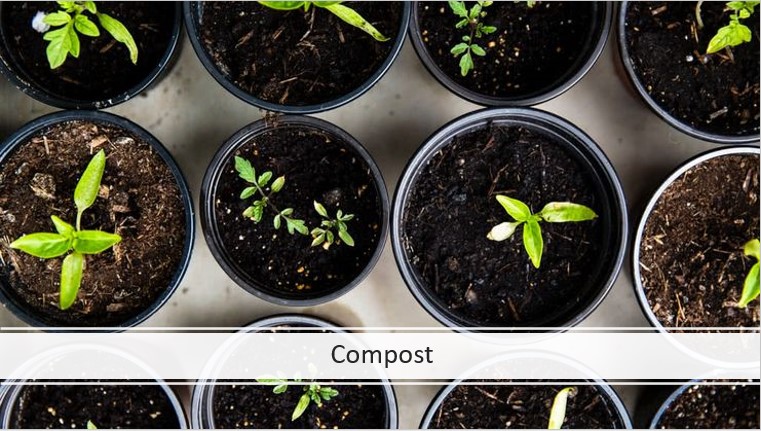
1. Compost
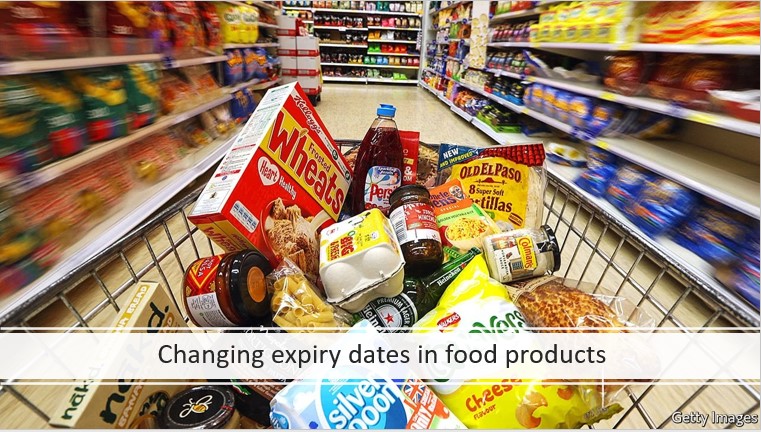
2. Changing expiry dates in food products
3. Tiganokinisi project
Team 2 – Creating materials to raise awareness
Students collected a lot of information about food packaging materials (mainly through online research) and generated some ideas in regards to different informational materials that they can create for informing others, especially their peers, about plastic pollution and the need for action.
Implementation - establishing collaborations & creating a prototype (service)
Team 1
Compost:
Students identified the following main ideas for compost:
- Compost is a type of fertilizer that is made from rotting plants. It is easy and very cheap to make it as it all it really requires is vegetable waste.
- The vegetable waste is broken down by bacteria (germs) and made into compost.
- This process recycles various organic materials otherwise regarded as waste products.
- It is used to improve the soil fertileity in gardens, landscaping, horticalture, urban agriculture and organic farming.
They identified the following benefits of compost as well:
- Include providing nutrients as fertilizer to the crop.
- Acting as soil conditioner.
- Increasing the humus or humic acids content of the soil.
- Introducing beneficial colonies of microbes in the soil.
Reuse food products that have expired or are close to their expiration date:
Students identified the following main ideas for implementing this solution:
- The main idea is to take the products from the shelves 5-6 days before their expiration date, so once removed from the shelves, they will be able to sell them at lower prices or donate them to charity organisations who are responsible to give them to ones in need.
- Or to donate them to families who don’t have enough money to buy the food they actually need.
Having all the above ideas in mind, the students thought that a supermarket would be an essential societal actor for achieving their goals. Hence, they prepared a presentation for pitching their ideas to the Lidl Greece and Cyprus Supermarket about not throwing away expired canned food and instead finding alternative ways to utilize them. The supermarket was very pleased with these suggestions and they will participate in the LL of the school next school year.
Tiganokinisi:
Students, by taking into account their findings, came in contact with AKTI Project and Research Center to join the project. AKTI Project and Research Center informed the school about the procedure needed to be followed in order to join the project of Tiganokinisi.
Team 2- Creating materials to raise awareness:
To achieve their goal of reducing the plastic waste in their community, students created posters regarding the reduction of plastic materials to raise awareness within the school. Furthermore, they did some research to identify different eco-friendly packaging options that they can later on promote. Specifically, they researched about biodegradable straws with the intention of replacing plastic ones in cafeterias. They visited also local cafes and restaurants to identify the products they normally use. They intend to start by promoting eco-friendly packaging to their cafeteria in order to test their service (e.g., how they can convince them to make a change, how can they present the change to the consumers) before contacting the local cafes.
Refleksija
The students faced some difficulties in regards to easily identifying implementable solutions, especially for the issue of food packaging waste. Their idea to replace the plastic straws of the cafeterias with biodegradable straws was a bit difficult for them to follow through and the team was a bit discouraged. However, proceeding step by step helped them to implement small actions in the beginning of their project, such as raising awareness in the school community about the issue by creating posters placed around the school. Students decided to brainstorm other ideas and solutions for minimizing packaging waste in their community in the beginning of the next school year.
In addition, students encounter difficulties in finding funding for some of their actions and in engaging different societal actors, issues which they felt like they could not overcome. At that point, their teacher stepped in and discussed with them different alternatives to guide them towards a plausible planning process and solution.
Futurel Plans
Team 1 – Food wastage
Their future plan for the projects of compost and reusing expired products is to continue their collaboration with Lidl and engaging them in a greater extent. Moreover, they want to contact other supermarkets to increase their awareness on what they can do with their unwanted vegetables, fruits and/or products.
Their future plan for the project of Tiganokinisi is AKTI Project and Research Center is to bring a big container at their school that can be used for collecting the oil and to introduce the project to the whole school in order for all the students and staff to actively participate in this endeavor.
Team 2 – Food packaging waste
This team will try to brainstorm again some alternative solutions to the issue they have identified in order to minimize packaging waste by finding ways of informing and convincing cafeterias in their area to use eco-friendly packaging.