Hosted by OSOS , contributed by hilagenis on 16 October 2019

In this project we study chemistry in the urbanic space (however, it could be adjusted to many other subjects).
The aim is to develop a unique Hub to support inquiry based learning of 6th and 9th grade students. The core of the project is the support mechanism for the students and teachers which includes opening the school to a wide range of experts and mentors from the academic and the informal education community.
The inquiry process begins with a series of engaging meetings aimed to rise curiosity and introduce to the students the inquiry based learning process. School labs and other facilities, including relevant school staff, are open for students after school hours. The process comes to its peak with the regional science fair.
Responsible Research and Innovation (RRI) principles in this project:
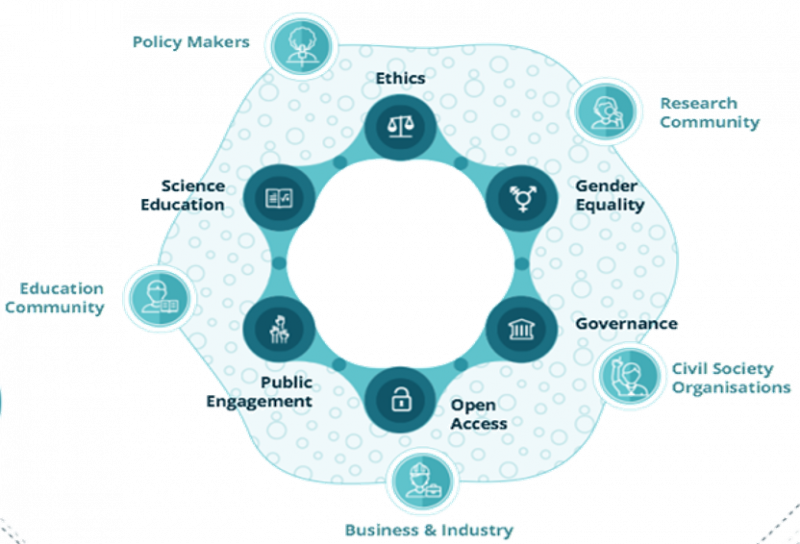
- Community: The ultimate goal of the project is to create a community discourse that leads to innovation in scientific research.
- Governance: The program is derived from the policy of government ministries. One of the goals is to increase the number of students' research papers.
- Science education: fostering scientific-technological research and learning in an innovative environment.
- Public engagement: The students' products and learning processes will be shared by young scientists in a variety of settings. For example, a regional exploration fair, record days, Earth Day.
- Gender Equality: Emphasis on bringing female lecturers into the classroom.
- Ethics: bringing interdisciplinary value dilemmas. In addition, there is a demand to address the ethical aspects of research work in order to develop critical-value-based thinking.
Opportunities for collaboration with community stakeholders:
- Creating cooperation between schools in the city:
- A dialogue between teachers from different schools
- Students teach students: Grade 9 students will educate sixth grade students at the municipal level.
- Joint research teams for different schools, according to areas of interest.
- Local authority - Education Division
- Ministry of Education - Supervision Science and Technology
- Content experts from the community according to topics
- Academia - Institutions of Higher Education - University and Technion
- Industry
Osjetiti
החוויה שעברנו היום היא עריכת ניסוי על איך מכינים סליים, מה כמות החומר הנצרכת, כיצד יש לערבב ובאיזו מהירות, ואיך בעצם עורכים ניסוי.
בתחנה שבה לקחנו חלק אנחנו ערכנו ניסוי להכנת סליים.
למדנו איך עורכים ניסוי, מה צריך לניסוי, באילו כלים וחומרים יש להשתמש, שיש לעשות מספר חזרות כדי לאמת את התוצאות, למדנו שלפעמים הניסוי לא מצליח- יש ילדים שהסליים שלהם נמתח יותר, רך יותר, קשה יותר, ילדים שהניסוי לא הצליח להם.
מה שהרשים אותנו במיוחד היה שאנחנו הצלחנו לעשות את הניסוי, שהוא עבד לנו, שהצלחנו לבצעו, שהסליים יצא לנו רך וגמיש לעומת התוצאה של ילדים אחרים.
הדבר שעברנו היום ויכול לשמש אותנו בעבודת החקר שלנו הוא שלמדנו לבצע ניסוי: מה צריך לניסוי, איך מבצעים אותו, באילו כלים וחומרים יש להשתמש, כמה חזרות צריך לבצע, וזה יעזור לנו בעבודה הספציפית שלנו כי לפרויקט שאנחנו עושות יש לעשות ניסוי כדי שנבין את המסקנות וכדי שנוכל לבדוק את מה שרצינו לבדוק.

Zamisliti
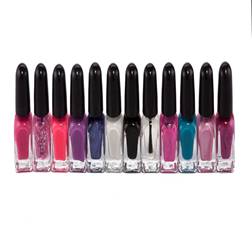
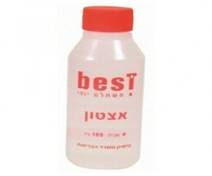
הפרויקט שאנחנו מתכננות הוא בדיקת איזה סוג מסיר לק יעיל ביותר להורדת הלק.
הנושא-שאלת החקר שלנו הוא איזה סוג מסיר לק הוא היעיל ביותר למסיסות הלק. הצורך שאנחנו רוצים לפתור הוא לפתור את הדילמה איזה סוג מסיר לק לקנות בחנות כי הוא היעיל ביותר. הפיתרון יפתור לנשים את הדילמה ויחסוך להם זמן בחנות כדי להתלבט איזה סוג מסיר לק לקנות.
בעקבות המוצר שנחקור נרצה שתיפתר הדילמה על איזה סוג מסיר לק לקנות כדי שלא יקח הרבה זמן להוריד את הלק וכדי שהוא לא יפגע בציפורן.
Kreiraj
בפרויקט שלנו נבדוק את שאלת החקר שלנו שבה אנחנו נבדוק איזה סוג מסיר לק הכי יעיל.
בפרויקט אנחנו מתכנות לעשות את הניסוי: לקנות את כל הכלים והחומרים הנדרשים לעשיית הניסוי, לעשות מספר חזרות, לאחר מכן לסדר את התוצאות בטבלה ולהוציא ממנה מסקנות, לאחר מכן לארגן את הכל בקובץ וורד כדי להציג את התוצאות על פלקט.