Hosted by OSOS , contributed by TeresaVisinho2019 on 8 October 2019
In this project students become detectives researching the "ususal suspects" polluting their beach. These can be plastics, microplastics, cigarret budds, glass bottles, etc..
Through a series of proposed exercises, students will learn about plastic pollution and pollution in general, sustainable consumption and will fight to raise awareness in their community in order to protect their local marine fauna and flora as well as their own health and life.
This activity has been created and adapted by ABAE - Associação Bandeira Azul da Europa in the framework of the Islands Diversity of Science Education (2017-1-PT01-KA201-035919), co-financed by the Erasmus+ agency of the European Union).Erasmus + project.


Teachers should copy this accelerator and edit it in order to leave a set of specific guidelines for their students to follow, according to the activities chosen to be developed.
Supporting documents and translations to other languages can be found through the following link: https://idiverse.eu/marine-litter-the-usual-suspects-at-my-beach/
Introduction to the problem

Marine litter and in particular the accumulation of plastic, has become a global environmental issue and a growing concern since the rise of the plastic industry in the mid-1950s, becoming now a risk to human health and putting at risk a variety of marine species.
Aside from its wide and adverse range of impacts, both for marine fauna and flora, marine debris can also have substantial negative socio economic impacts. It can cause economic losses to commercial fishing and shipping, as well as industries such as recreation and tourism.
There are primary and secondary sources of microplastics. The distinction is based on whether the particles were originally manufactured to be that size (primary) or whether they have resulted from the breakdown of larger items (secondary). Some plastics are intentionally designed to be small. They're called microbeads and are used in many health and beauty products. They pass unchanged through waterways into the ocean. Wastewater treatment plants are not designed to filter microspheres and therefore, they cause a number of impacts on the marine environment, as they are impossible to remove.
Through several studies on the subject, we know today that globally:
- every year, between 1.15 and 2.41 million tons of garbage reach the ocean through the rivers.
- up to 80% of the pollution of the marine environment is land-based.
- about 50% of plastic is used for single‐use disposable applications.
- it is estimated that about 8 million tons of plastic will stop annually to the ocean.
- cigarette butts are the item that appears in greater number in the beach cleanings.
- one million birds and 100,000 marine mammals die every year due to plastic pollution.
- it is estimated that only 8% of the plastic waste is larger than a bottle cap.
Learning Objectives
Through the framework of the marine litter problem, students will work on questions related to its causes and consequences on marine ecosystems contamination, learning about sustainable consumption and waste management.
Considering this, students will research their local beach, collect marine waste, analyse their consumption of microbeads figure out solutions to improve community awareness and the implementation of measures/solutions.
Opportunities to collaborate with stakeholders
Students will contact with the community when researching their local beach and collecting evidence related to the level of awareness and lifestile habits of their families, neighboors and community members. Studens can also contact with their municipalities in order to discuss, create and share their ideias about how to solve the problem. The final step of this project is the sharing of their solutions with the community.
Sustainable Development Goals (SDG)
|
Quality Education
|
4.7 By 2030, ensure that all learners acquire the knowledge and skills needed to promote sustainable development (…). |
|
Responsible Consumption and Production
|
12.2 By 2030, achieve the sustainable management and efficient use of natural resources. 12.5 By 2030, substantially reduce waste generation through prevention, reduction, recycling and reuse. 12.8 By 2030, ensure that people everywhere have the relevant information and awareness for sustainable development and lifestyles in harmony with nature
|
|
Life Below Water
|
14.1 By 2025, prevent and significantly reduce marine pollution of all kinds, in particular from land-based activities, including marine debris and nutrient pollution. 14.2 By 2020, sustainably manage and protect marine and coastal ecosystems to avoid significant adverse impacts, including by strengthening their resilience, and take action for their restoration in order to achieve healthy and productive oceans. |


Responsible Research and Innovation
One of the key aspects of OSOS is the inclusion of RRI - Responsible Research and Innovation - principles (RRI-Tools.eu). This is how this accelerator fits in the RRI model:
|
Governance |
This accelerator is based on a fundamental key point which is to teach students what science is and how to make a valid and respectful science research. It highlights the fact that science needs to be shared in order to be valid, it needs to be transparent and collaborative so as to contribute to the development of our society. In this project, students reflect with the community on the problem and will co-create possible solutions sharing, in the end, all their work, including their research process. Furthermore, students will share their results and conclusions with other communities worldwide and through the collaboration between their teachers. |
|
Public engagement |
Students will interview their communities as well as important stakeholders, i.e., experts in the problem they are working on. After collecting their data, students will discuss with their parents, other family members, friends, community, etc, about possible effective and applicable solutions to the problem in their communities. The whole activity will focus on the engagement of students with their community so as to take into account their real needs when solving a problem. |
|
Gender Equality
|
The problematic involved in this project is transversal for all humans in the world, regardless of their gender. At no moment, the gender of the students will be asked or relevant. On the resources created for the teachers advise is given in order to provide equal opportunities, not only for both genders but also among all the different personalities. In the guidelines given to the students an effort is made to use both male and female role models as inspiration, as well as male and female icons and individuals in pictures. Teacher are also advised to find experts of all genders and invite them to work with their students. |
|
Science Education |
Students will be engaged in Inquiry-Based activities that will lead them through the scientific method and reasoning. It is expected that after creating their projects, students will have understood what science is and how scientific knowledge can be obtained and communicated. By working with the community and sharing their work in the end, students will bring science education to their community as well as awareness for important scientific questions. |
|
Ethics |
During the project students will understand that cooperating and collaborating is a much more valuable effort than competing, and that knowledge and good ideas should be used in an ethical way and shared with others. When in collaboration, Scientists can overcome nearly any obstacle and provide what is necessary for a safe, developing and growing society |
|
Open Access |
After finishing their research, students will share all their work with the community, providing a fully open access to their data and conclusions. |
Osjetiti
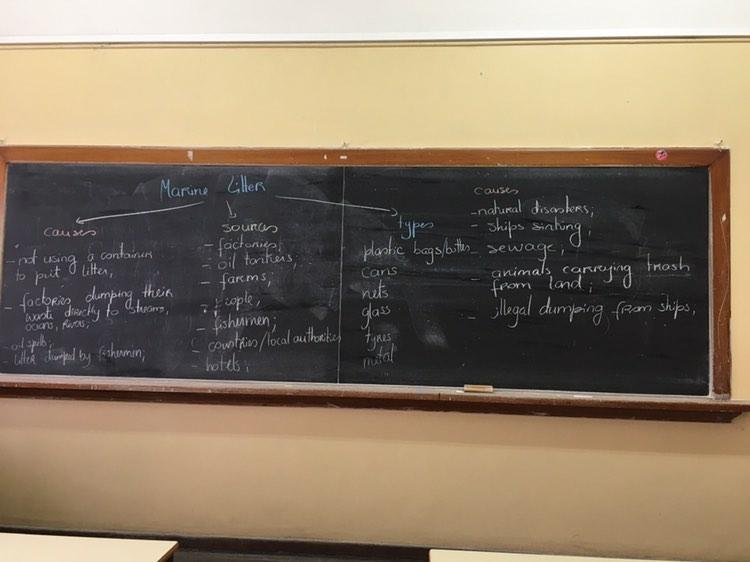
1: Braintorning sobre fonte, tipos e causas de lixo marinho
Como a poluição marinha afeta a saúde humana e a qualidade dos ecossistemas marinhos?
A poluição marinha afeta o ser humano infectando o mar. O mar infectado afeta as pessoas causando problemas de pele.
Qual é a origem do lixo marinho? Como é que ele acaba no mar?
A ninhada marinha começa em nossas próprias casas, por exemplo, no banheiro. A ninhada vai jogar o lixo local e eles acabam no mar.
Que tipo de lixo aparece no mar?
Resíduos iIndustriais e resíduos de biologia.
Como microplásticos e microesferas aparecem nas áreas marítimas e costeiras?
Decompondo a ninhada no mar.
Quanto tempo a ninhada marinha dura no mar?
Muitos anos.
Por que alternativas verdes a plásticos à base de fósseis fizeram um respingo nos últimos anos?
A alternativa verde fez um grande respingo devido ao fato de serem super ecológicos e naturais. Apesar de ser mos por ções verdes caras, as alternativas verdes contribuem para um mundo seguro.
Zamisliti
- Faça mais campanhas sobre microplásticos.
- Materiais reutilizáveis para evitar a polução
- Reciclando lixeiras perto das praias.
Kreiraj
- Reutilizar lixo marinho fazendo itens essencial em nossa vida, como Bolsas, Borrachas, Chapéus de roupas etc.
- Faça lixeiras, usando a ninhada jogada no mar.
- Faça um protesto sobre lixo marinho.
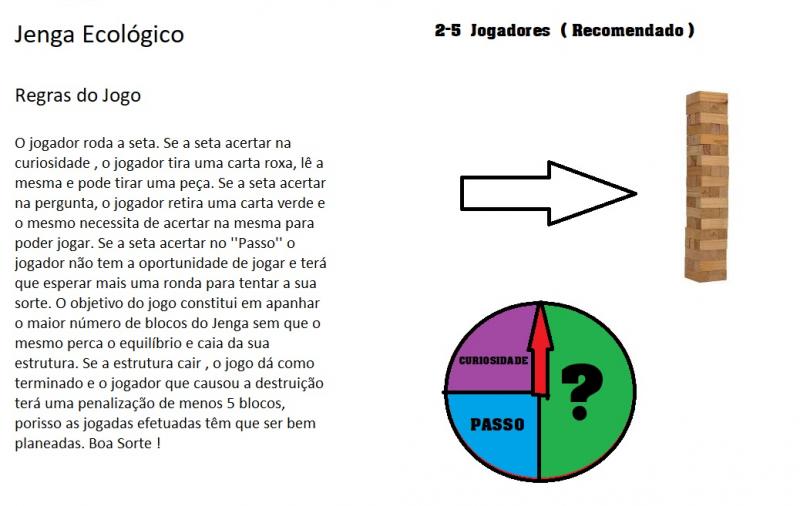
Trabalho a realizar: Decidimos realizar um Jogo, com alguns dados sobre o problema do lixo marinho.
Podijeli
Jogo
Curiosidades para as cartas
1. No planeta estima-se que existam 4 600 espécies de mamíferos, 31 000 espécies de peixes e mais de 900 000 espécies de insectos, muitos dos quais ainda não estão identificados.
2. Estima-se que em cada ano se extinguem de 17000 a 25000 espécies de seres vivos em todo o Mundo. Só na Europa há cerca de 1500 plantas em risco de extinção ou já extintas.
3. A preservação das espécies autóctones é absolutamente necessária. Nos Estados Unidos da América só são cultivadas duas espécies de feijão verde e no Canadá 50% do trigo cultivado é de uma só variedade. Na Europa, de 145 raças autóctones de gado 115 estão em perigo de extinção.
4. Todos os anos são destruídos mais de 13 milhões de hectares de floresta tropical. Se as contas forem feitas, isto representa a destruição de 35 mil hectares por dia, 1500 hectares por hora e 25 hectares por minuto.
5. A poluição dos rios e oceanos pode ser a causa da redução de muitas populações animais. É o que se pensa estar a acontecer com a população de beluga ou baleia-branca, no canal de São Lorenço, no Canadá. Pensa-se que em 1900, mais de 5 000 animais viviam nesta zona, mas actualmente estima-se que a população esteja reduzida a apenas 450 indivíduos. Pesquisadores acreditam que o lixo tóxico lançado pelas indústrias situadas ao longo do rio será a causa de mortalidade destes animais, já que exames aos seus corpos revelam altos níveis de produtos químicos nocivos, como policlorados, DDT, mercúrio e cádmio.
6. Muitas espécies de tubarão encontram-se ameaçadas de extinção. A lista de espécies em perigo incluem o tubarão-martelo e o tubarão-azul, que desaparecem a um ritmo de 50 000 animais por ano, apanhados "acidentalmente" em anzóis nas costais do Havai.
7. A pesca do bacalhau caiu, entre 1968 e 1992, cerca de 70%, não por um aumento da consciência ecológica, mas devido ao estado debilitado dos stocks pesqueiros.
8. As populações de garoupa estão em franco declínio, devido à destruição dos recifes de coral no mundo inteiro. Por exemplo, nas Filipinas, os corais são envenenados com cianeto para a captura deste peixe.
9. A tartaruga-verde, que existe nas costas do Brasil, está em extinção. Em cada mil nascimentos, apenas uma ou duas sobrevivem.
10. Os corais, das águas quentes dos trópicos, estão a ficar descorados. Pesquisadores acreditam que eles são as vítimas mais visíveis do efeito de estufa.
11. Os rios amazónicos são os rios com maior diversidade de espécies de peixe no mundo. Já foram descritas mais de 1500 espécies, mas estima-se que existam pelo menos o dobro. Este número é quinze vezes maior do que o número de espécies encontradas nos rios da Europa.
12. Existem mais de 3500 áreas protegidas em todo o mundo. Estas áreas incluem parques, refúgios da vida selvagem e outras reservas. Elas cobrem um total de 5000 m2, ou seja, cerca de 3% da área total da superfície do planeta.
13. Há 100 milhões de anos, os tubarões constituiam cerca de 60% de todas as espécies oceânicas. Actualmente eles são apenas 3% das espécies que povoam os oceanos.
14. Em 25 anos, o tubarão cinzento pode produzir até 20 000 dentes, o que explica porque os dentes de tubarão são das recordações mais frequentemente trazidas dos fundos dos mares.
15. Todos os anos, de 1500 a 2000 tubarões são encontrados presos e normalmente mortos em redes protectoras de tubarões nas costas da África do Sul.
16. Existem ainda poucos conhecimentos da biodiversidade marinha, principalmente a grande profundidade. Um estudo detalhado de uma dessas comunidade revelou que numa área equivalente a metade de um court de ténis existiam 898 espécies. Mais de metade destas espécies foram identificadas pela primeira vez.
17. A âncora de um navio de cruzeiro pode destruir nos fundos marinhos uma área correspondente a metade de um campo de futebol.