Hosted by OSOS , contributed by Fernanda Freitas on 25 February 2019

Do you like bees? Do you think they are important? What would happen if bees disappeared?
Well, fellow explorer, today you are going to become a scientist researching on one of the most important contemporary science research problems. Although we are used to seeing people run away from bees or associate them with the sweet tasting wonderful food we call honey, bees are so much more than that. Do you know why? Embark on this journey, play a fun game, enrol in an interactive research platform, collaborate with your community and with colleagues from different countries and you will become an expert and a very important change maker in the world. Bees will thank you … and humanity as well!
Let's start the adventure?
Information for the teacher:
This accelerator was created in the framework of the project - IDiverSE (Islands Diversity for Science Education - 2017-1-PT01-KA201-035919), co-financed by the Erasmus+ agency of the European Union).

The texts are writen direcly for the students and in a language that students will understand. Teachers are invited to explore it, copy it and edit whatever they feel necessary before they share it with their students. Specific guidelines were added to the four phases, where teachers can read the full content of the accelerator. For any aditional info on this accelerator, please contact info@idiverse.eu.
Learning objectives
Students will contact the scientific method in an Inquiry-Based activity that will lead them to learn important concepts such as sustainability, ecosystems, Biodiversity and protection of the web-of-life. From there, they will dive deep into the contemporary problem around bees, discovering the causes of the problem as well as solutions that can be implemented in their communities.
While going through this project, students will develop fundamental skills such as problem solving, critical thinking, communication, creativity and collaboration. They will also develop other important skills such as tolerance and respect since they will be collaborating with students from different cultures and different environments.
Furthermore, students will be called into gaining awareness for very important environmental issues of this century.
Opportunities to collaborate with stakeholders
Students will be challenged to interview, discuss and collaborate with different experts on the field such as beekeepers, farmers, scientists, environmental experts, etc. Teachers should allow students to invite experts to their school, to collaborate in their creations as well as family members and any other important stakeholders.
More specificaly:
1 - In the Feel phase, students will use a collaborative platform to collect data from their community and compare it with data from other communities. For this, they will go out in their towns and interview community members but also choose some important experts on the field to interview them as well about the problem at hands.
2 - In the Imagine phase, students will be advised into bringing the problem to their families and have important discussions about the causes and solutions to the problem at hands. Teachers will be advised to allow students to choose a field trip to an expert (stakeholder) of their choice such as a University working on the field, a beekepeer facility or any other important stakeholder of their choice. In this same phase, students will be encouraged to invite important stakeholders to their schools, to discuss about solutions for the problem.
3- In the Create phase, students will be encouraged to collaborate with their families, community members and important stakeholders in their creations, making them more effective and a co-creation product.
4 - In the Share phase, students will reach out to the whole community to share their work, including important stakeholder entities who can reinforce the change-making progress.
Responsible Research and Innovation
One of the key aspects of OSOS is the inclusion of RRI - Responsible Research and Innovation - principles (RRI-Tools.eu). This is how this accelerator fits in the RRI model:
|
Governance |
This accelerator is based on a fundamental key point which is to teach students what science is and how to make a valid and respectful science research. It highlights the fact that science needs to be shared in order to be valid, it needs to be transparent and collaborative so as to contribute to the development of our society. In this project, students reflect with the community on the problem and will co-create possible solutions sharing, in the end, all their work, including their research process. Furthermore, students will share their results and conclusions with other communities in islands worldwide, through a platform called globallab and through the collaboration between their teachers. |
|
Public engagement |
Students will interview their communities as well as important stakeholders, i.e., experts in the problem they are working on. After collecting their data, students will discuss with their parents, other family members, friends, community, etc, about possible effective and applicable solutions to the problem in their islands. The whole activity will focus on the engagement of students with their community so as to take into account their real needs when solving a problem. |
|
Gender Equality
|
The problematic involved in this project is transversal for all humans in the world, regardless of their gender. At no moment, the gender of the students will be asked or relevant. On the resources created for the teachers advise is given in order to provide equal opportunities, not only for both genders but also among all the different personalities. In the guidelines given to the students an effort is made to use both male and female role models as inspiration, as well as male and female icons and individuals in pictures. Teacher are also advised to find experts of all genders and invite them to work with their students. |
|
Science Education |
Students will be engaged in Inquiry-Based activities that will lead them through the scientific method and reasoning. It is expected that after creating their projects, students will have understood what science is and how scientific knowledge can be obtained and communicated. In addition, this project focuses on one important contemporary science topic which is the protection of bees and the maintenance of ecosystems and biodiversity. By working with the community and sharing their work in the end, students will bring science education to their community as well as awareness for important scientific questions. |
|
Ethics |
In this project it is emphasized that we are responsible for our actions and for the world that surrounds us. The concept of ecosystem is not only important in a Biology class but as well as in any other class. We are an integrating part of any ecosystem, including our family, community, country (or in this case, island). As such, during the project students will understand that cooperating and collaborating is a much more valuable effort than competing, and that knowledge and good ideas should be used in an ethical way and shared with others. When in collaboration, Scientists can overcome nearly any obstacle and provide what is necessary for a safe, developing and growing society |
|
Open Access |
After finishing their research, students will share all their work with the community, providing a fully open access to their data and conclusions. |
Osjetiti
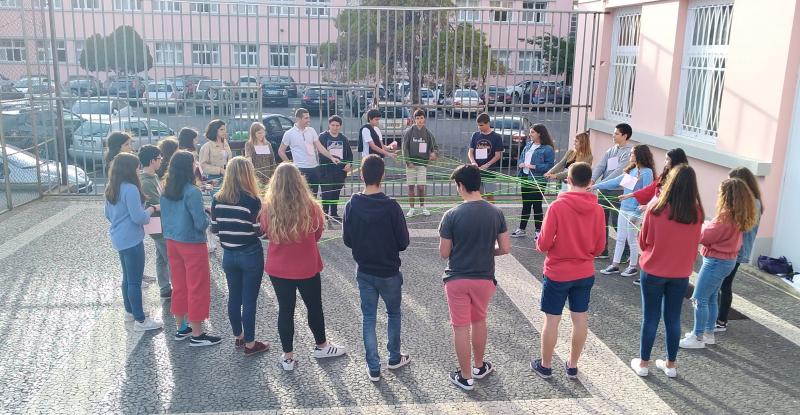
Nesta fase do “Feel” foi-nos introduzido o tema do trabalho e o objetivo do mesmo. Foram-nos feitas algumas perguntas, de acordo com as atividades também propostas. Tivemos a oportunidade de jogar o jogo “A Teia da vida”, que foi ilustrativo da importância das abelhas na nossa vida e na de vários seres vivos.
Este jogo constituiu no uso de um grande fio verde que serviu para conectar os vários elementos que foram distribuídos a cada um de nós. Uns ficaram com folhas, outros com animais, outros com água, entre outros. Foram nos sendo feitas perguntas pela professora de o que era que cada um desses elementos precisava, sendo que a resposta teria de ser um dos outros elementos que fizessem parte desse jogo.
Assim, foi sendo possível conectar a teia entre os vários intervenientes do jogo. No final tínhamos um teia interligada com todos os elementos.
A última pergunta que nos foi feita quando a teia já estava completa foi quais os elementos que seriam afetados se houvesse algum tipo de catástrofe. Todos os que fossem afetados largaram o fio verde, destruindo assim a teia, pois muitos poucos elementos permaneceram nesta.
Deste modo, foi-nos introduzido o trabalho que temos vindo a realizar, com o objetivo de estarmos cientes da importância das abelhas em todo o que nos rodeia e do seu perigo de extinção para que de certa forma possamos transmiti-lo à nossa comunidade, para evitarmos que a extinção das abelhas aconteça.
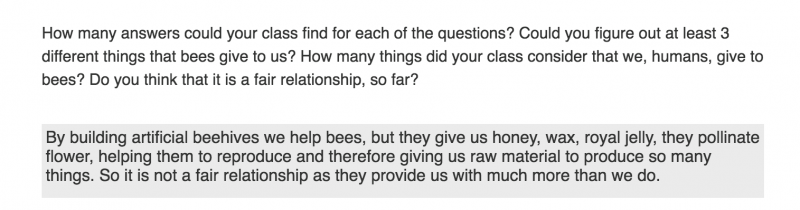
No decorrer do inicio do projeto realizamos outras atividades como o preenchimento de “post-its” sobre os que nós damos as abelhas e o que elas nos dão, atividade feita na sala de aula entre os vários grupos, havendo a discussão de ideias. Como grupo também discutimos a resposta a estas perguntas.
As respostas às perguntas iniciais do projeto encontra-se na página seguinte juntamente com as respetivas perguntas e as imagens deste jogo de introdução ao trabalho (as imagens estão anexadas).
1.O que as abelhas nos dão?
As abelhas promovem a polinização das plantas, permitindo assim, a sua reprodução e evitando a extinção de várias espécies da flora. Estas plantas servem de matéria prima para diversos produtos utilizados pela raça humana e animal e realizam também a fotossíntese. As plantas, no caso da nossa ilha, a Madeira, promovem o turismo pela sua beleza natural. As abelhas também produzem mel utilizado para consumo humano e cosmética.
2.O que damos as abelhas?
Através da plantação de plantas, nós fornecemos às abelhas o pólen que lhes serve de alimento e permite a produção de mel e geleia real. As colmeias artificiais elaboradas servem de habitat para as abelhas, facilitando assim o seu trabalho, pois não terão de fazer as suas próprias colmeias, no entanto, com estas colmeias artificias o nosso objetivo é extrair mel, ou seja, para nosso benefício.
3. O que as abelhas fazem?
Elas realizam a polinização e produzem o mel. Dão-nos cera e geleia real.
4. As abelhas estão a aumentar, diminuir ou a manterem a sua quantidade?
As abelhas estão a diminuir na nossa ilha e à volta do mundo, estando em vias de extinção.
5 e 6. Como é que a nossa comunidade se está a comportar perante as abelhas? Estão conscientes deste problema?
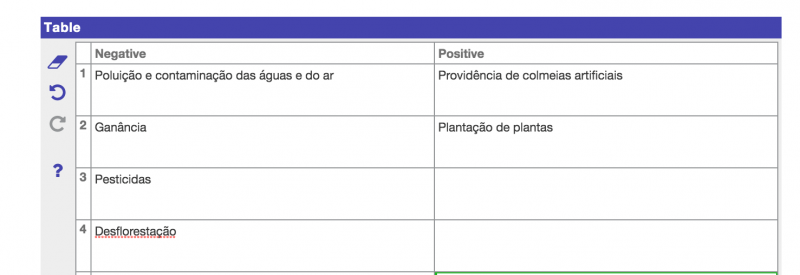
Muitas pessoas desconhecem este problema com que nos deparamos e as suas consequências, outras mesmo informadas mostram-se apáticas e são poucas as pessoas que cientes deste problema tentam arranjar uma solução e agir de forma a que as abelhas não fiquem completamente extintas.
Trabalho sala de aula
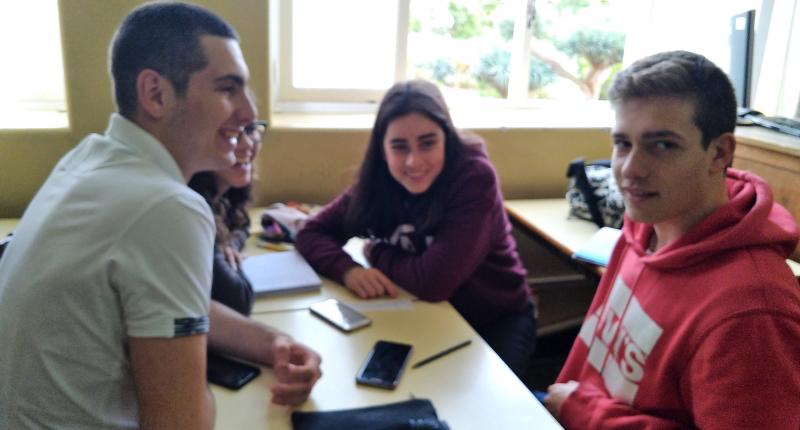
Teia da vida
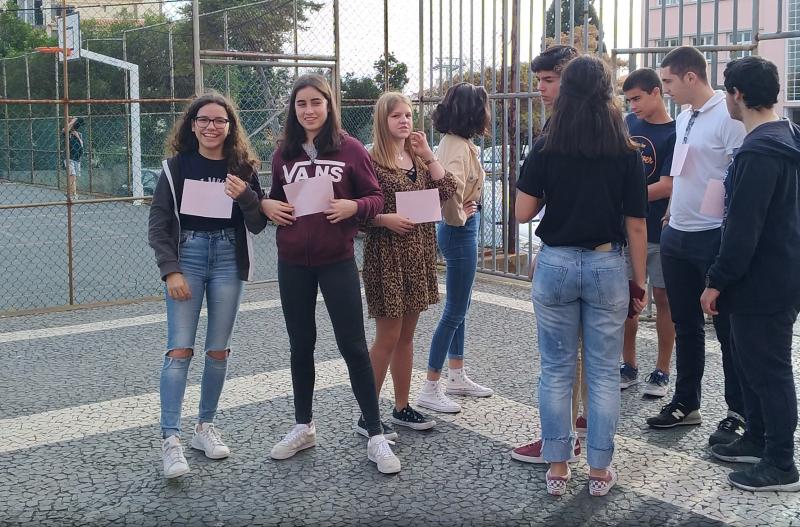
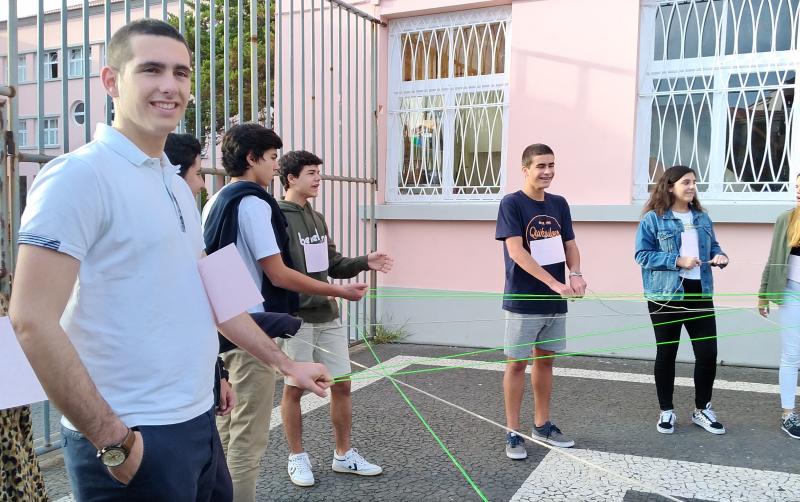
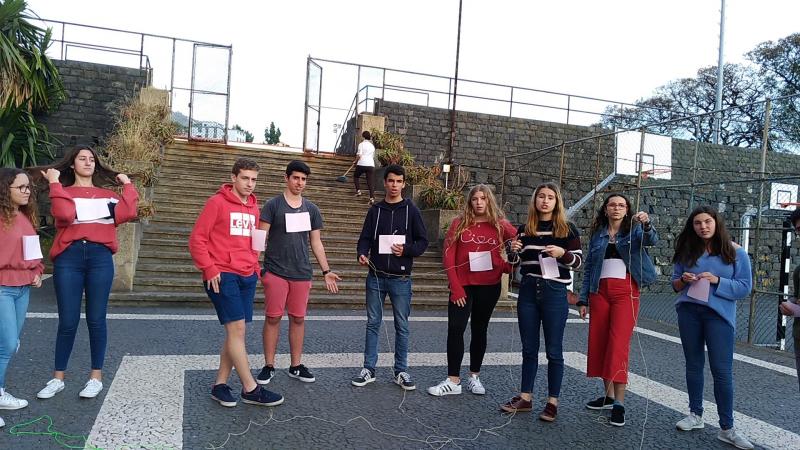
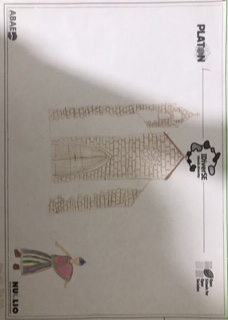
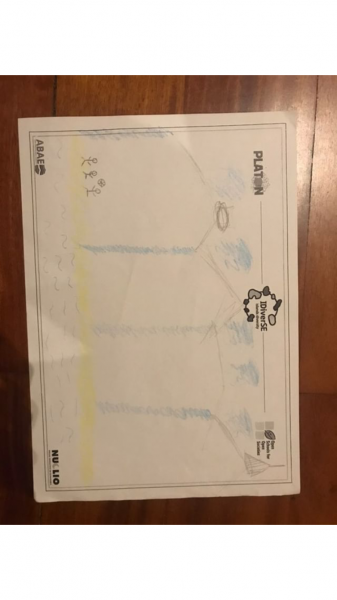
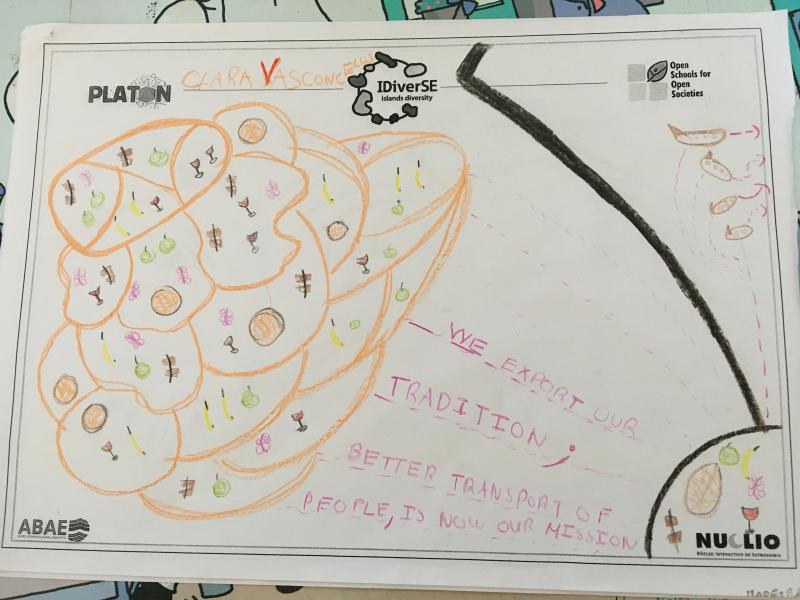
Nota: Geografia pessoal feita no início.
Zamisliti
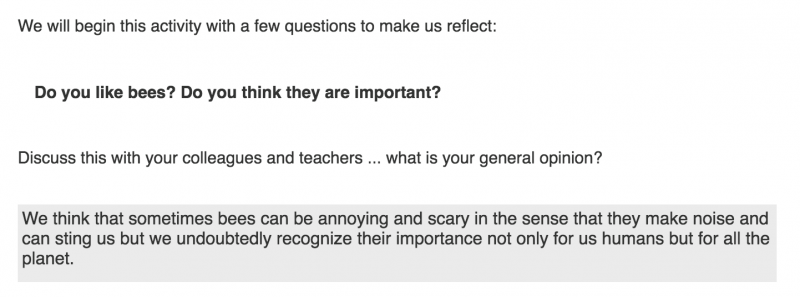
Web of live game
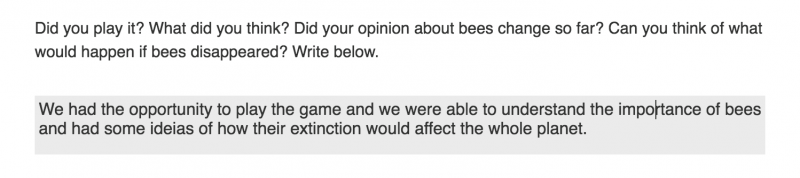
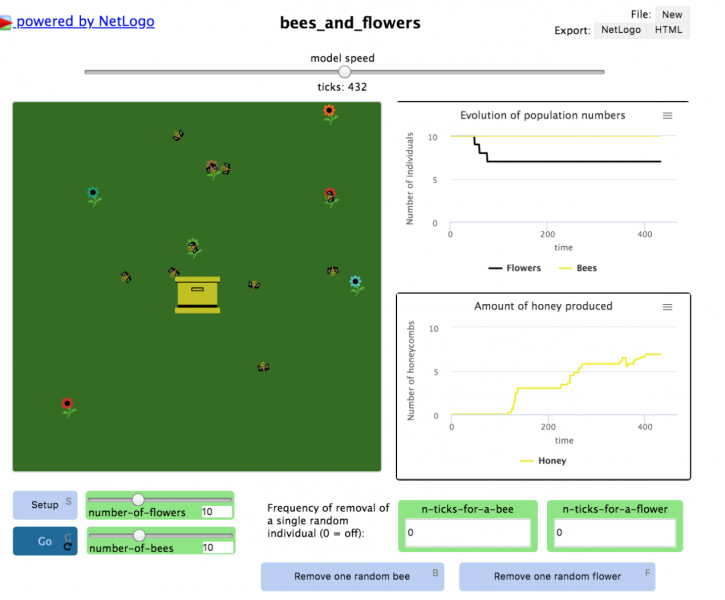
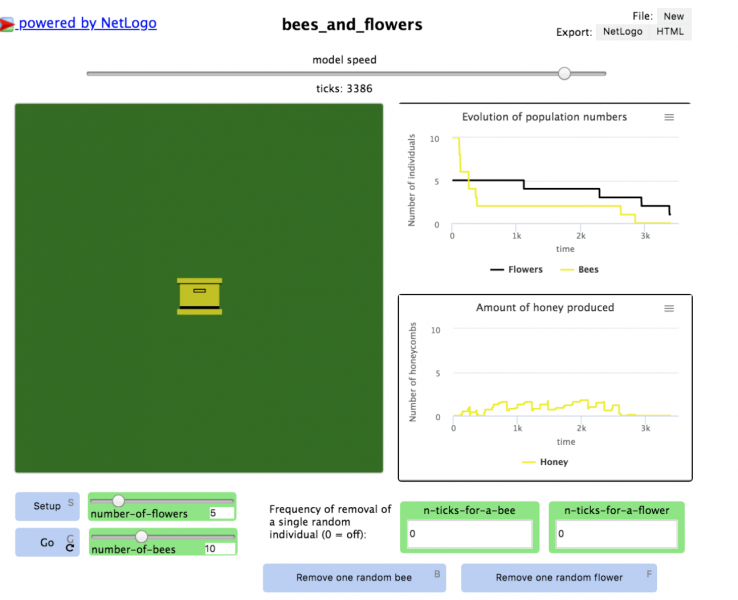
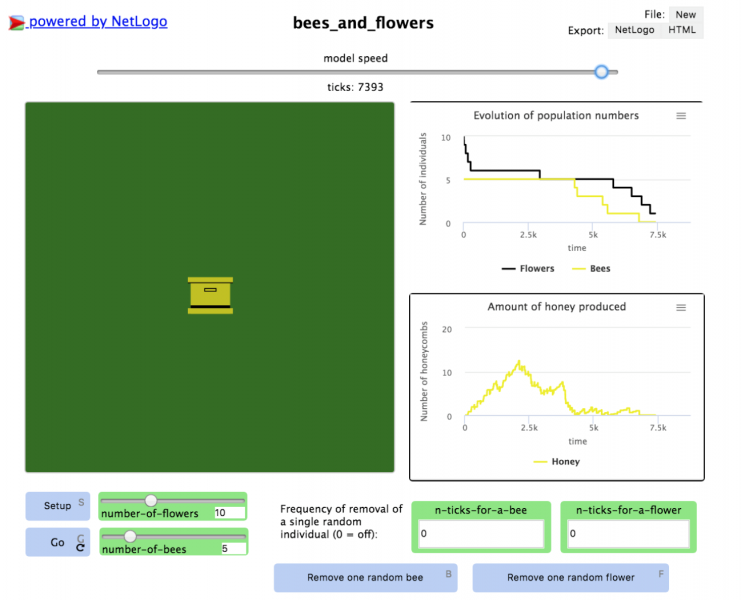
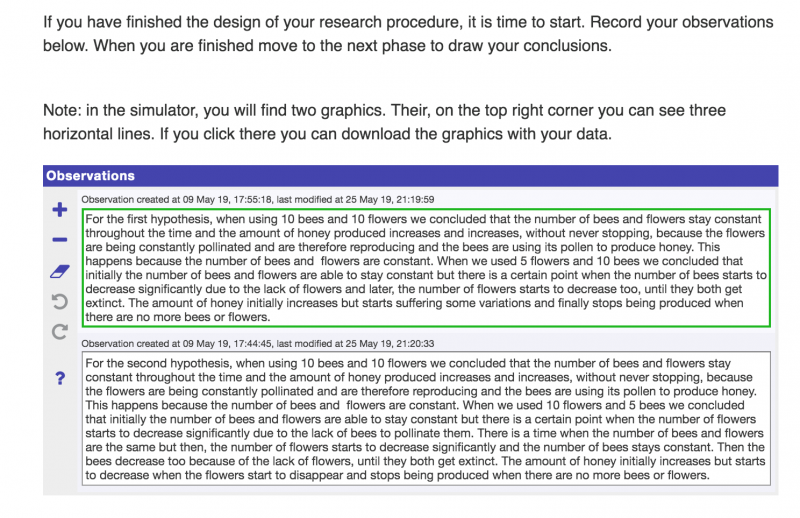
In order to show us more about bees and give us the experience to learn about beehives and apiculture we had the chance to do a filed trip to São Vicente, a place in our island, where we were able to see how a beehive was inside, how honey was taken out of the bees and how it was transformed on the one we see on supermarket shelves. An apiculture called Miguel showed us where he produced honey an explained us all about this area and bees, including diseases. We, as group, discussed that it was a wonderful opportunity to and a different and interactive way to learn more about bees.
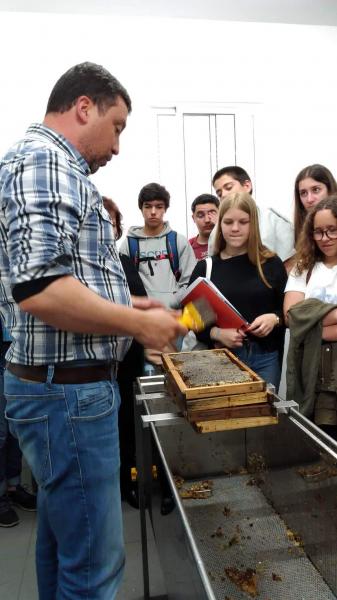
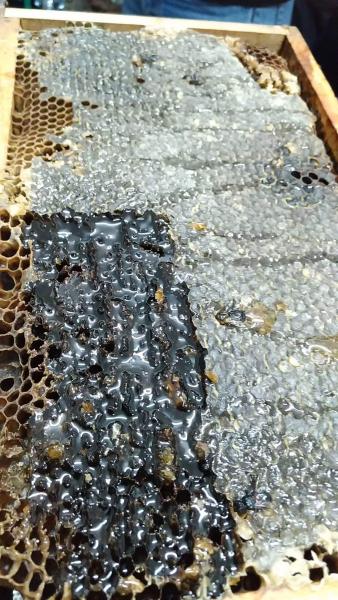
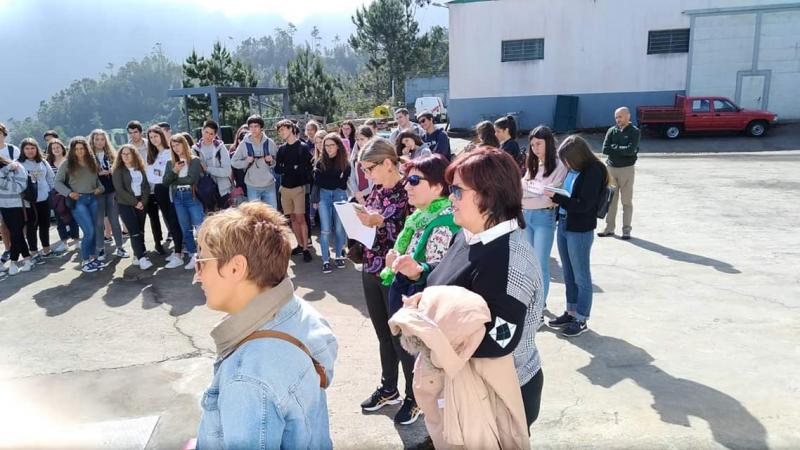
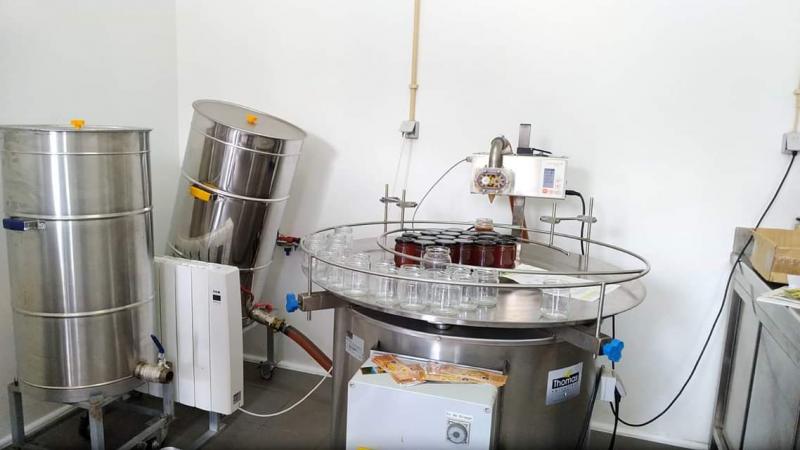
(the images are attached)
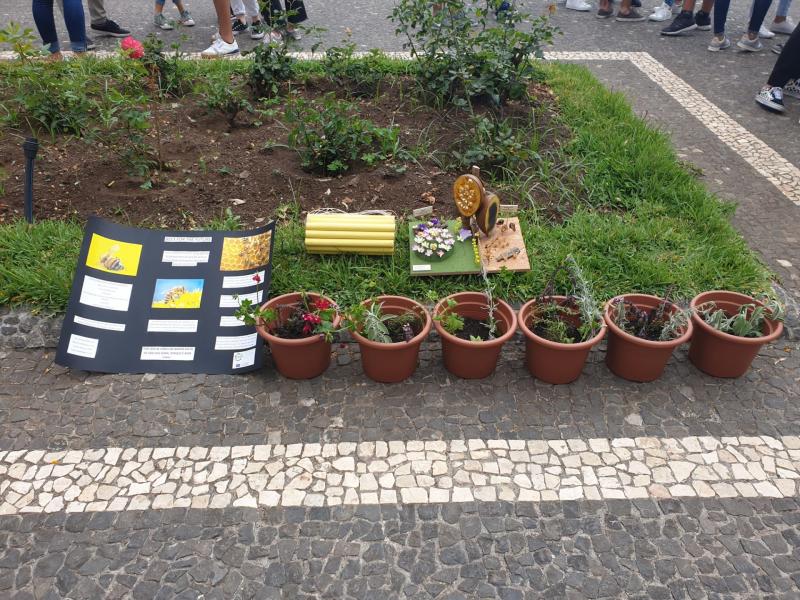
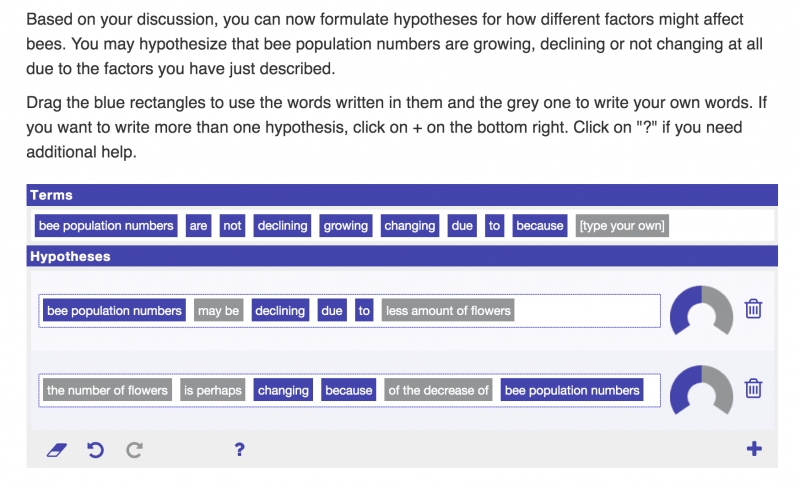
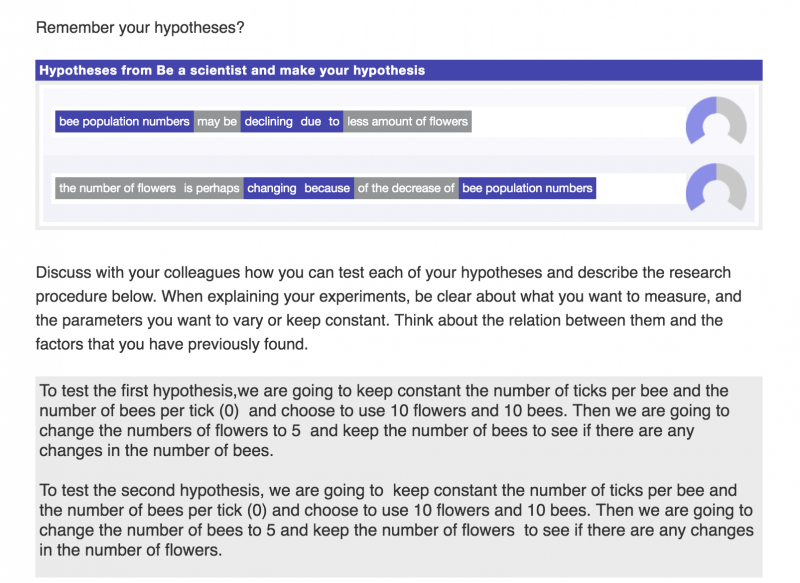
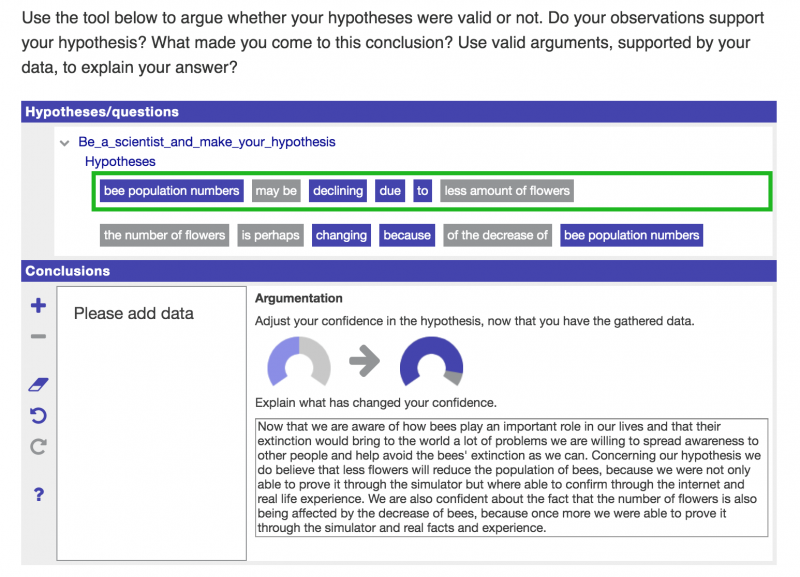
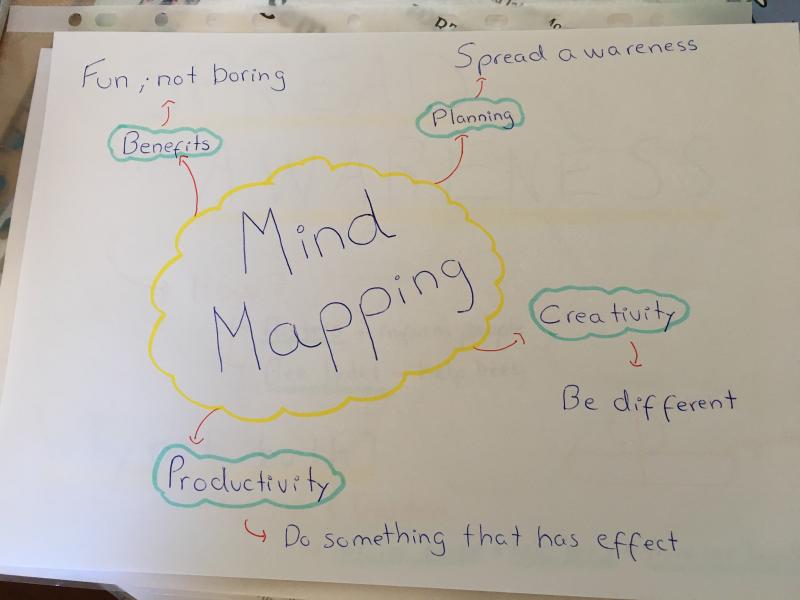
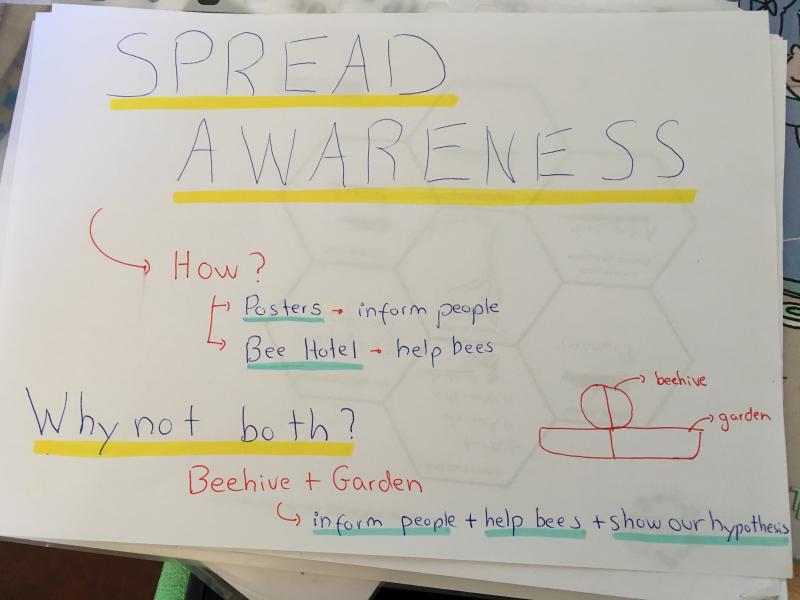
After undergoing all this process of learning about bees, gathering ideas, formulating hypothesis, testing them and getting to some conclusions, the next step is to try and help our community so that everyone is aware of this problem and altogether we are able to solve it. We thought about many solutions. We discussed doing a hotel for the bees, which is a solution that directly helps the bees or even planting some flowers. We also thought about spreading awareness through posts on social networks or spreading it through posters all over the school and then through the city centre.
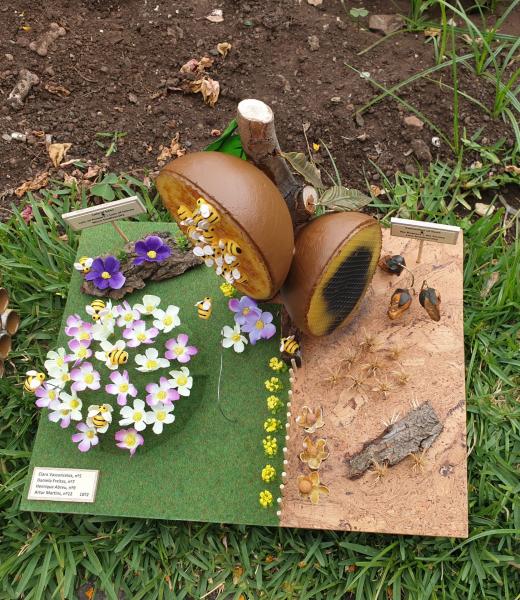
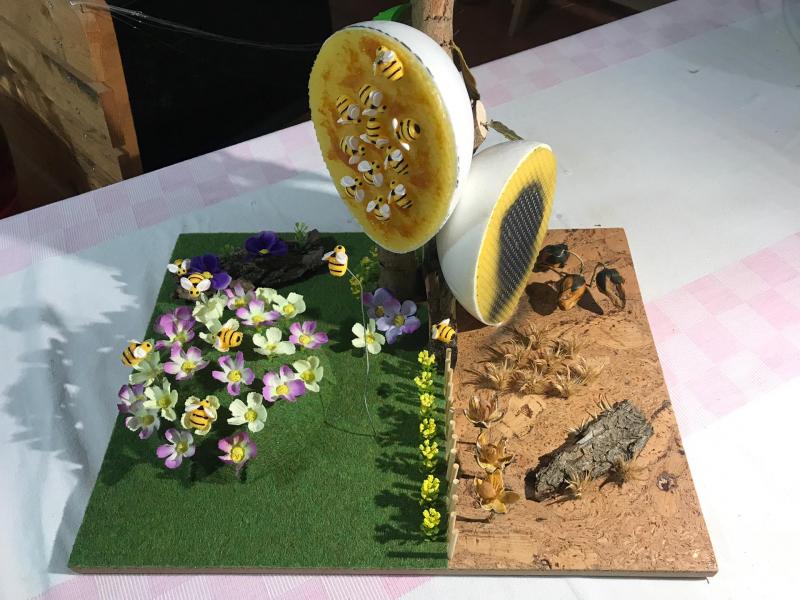
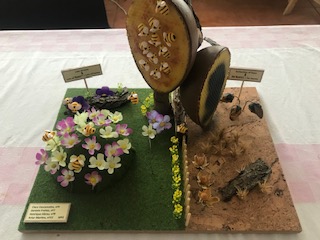
In the end, after thinking and discussing all this process we came up with a new idea! why not do a model of a beehive so that everyone was able to learn how its structure is? But then we had an even better idea! Why not use that beehive and a garden to depict our hypothesis and its results!
So how could we do that?
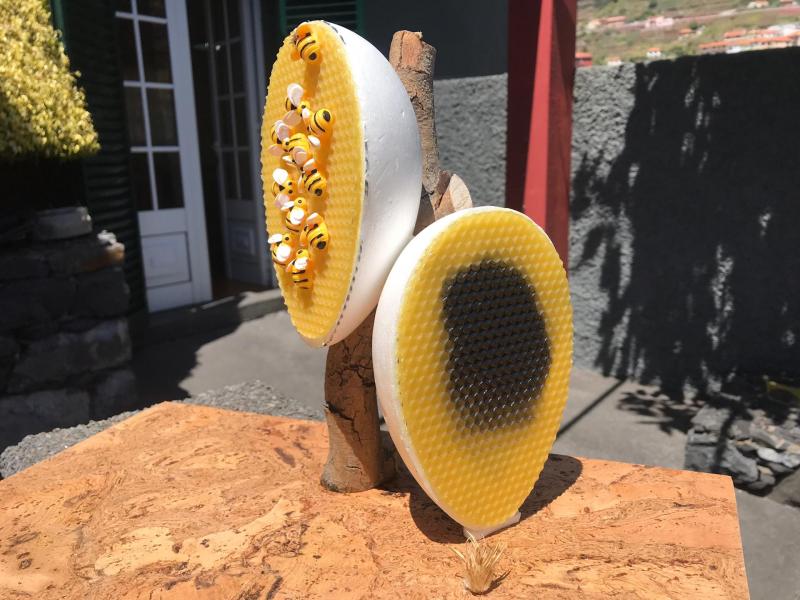
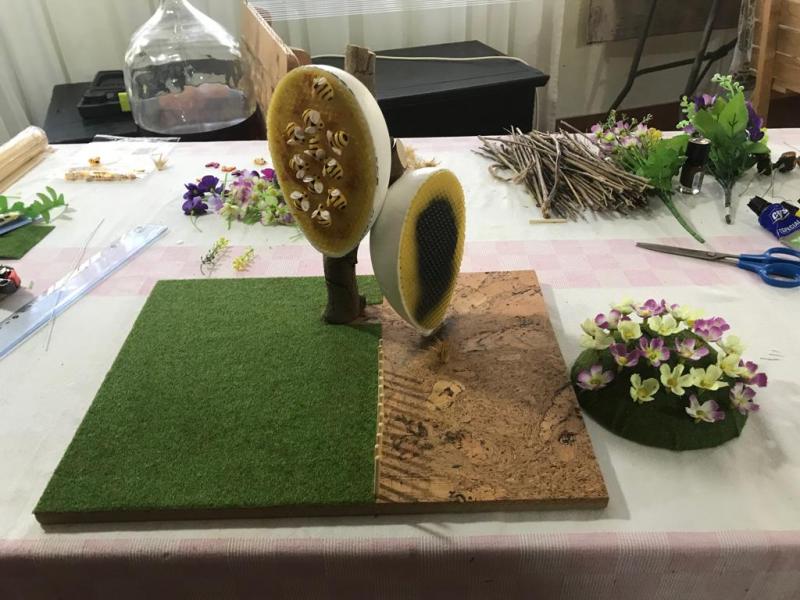
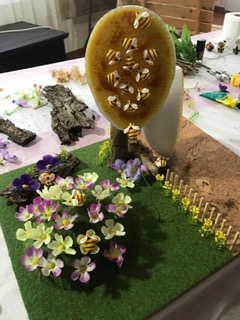
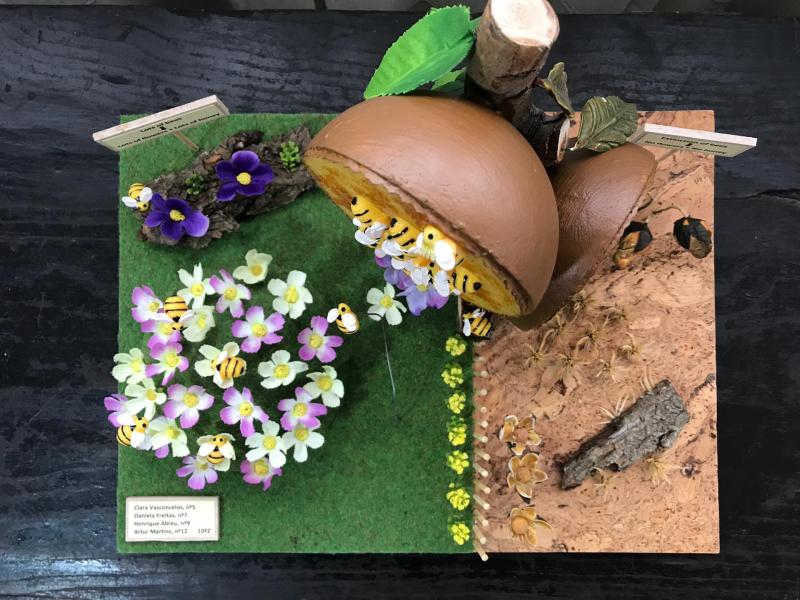
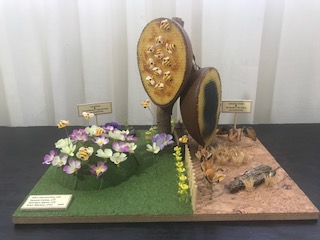
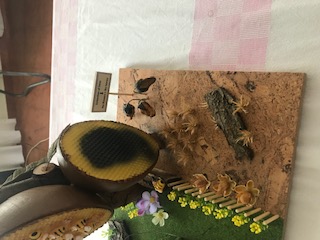
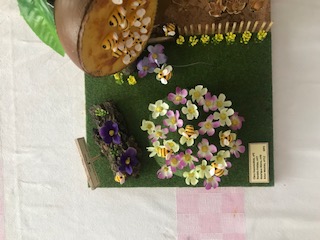
Well we would build a garden, then build an open beehive inside the garden, as a model. To represent our hypothesis we would then but in on side of the garden a certain amount of flowers and on the other less flowers. on the side with more flowers, we would put more bees and more honey inside the beehive and on the side with less flowers we would put less bees and less honey inside the beehive , since those were the conclusions we were able to reach.
This way we would not only spread awareness about this problem but also show our community what affects bees (less flowers, less bees) and its consequences for the ecosystem (less honey .... less flowers......).
Kreiraj
In order to built the project we imagined, we thought about all the steps we needed to complete and the steps we followed were:
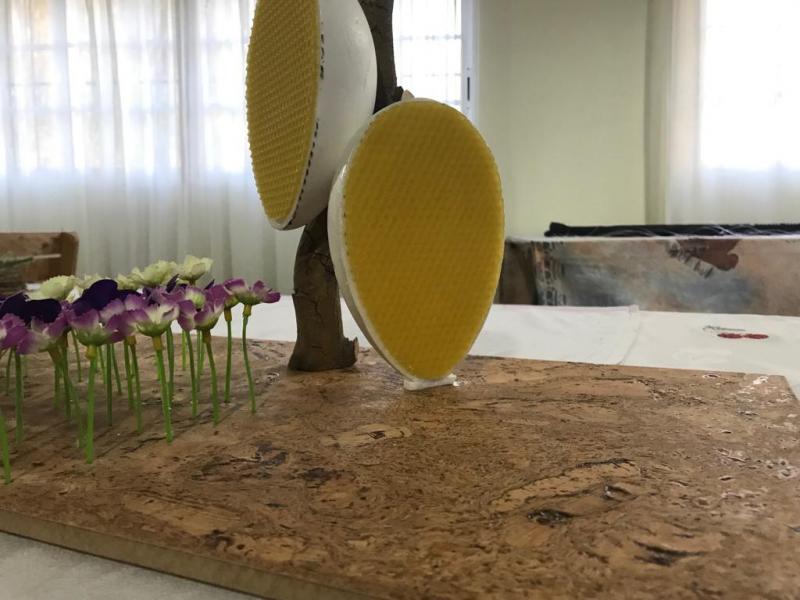
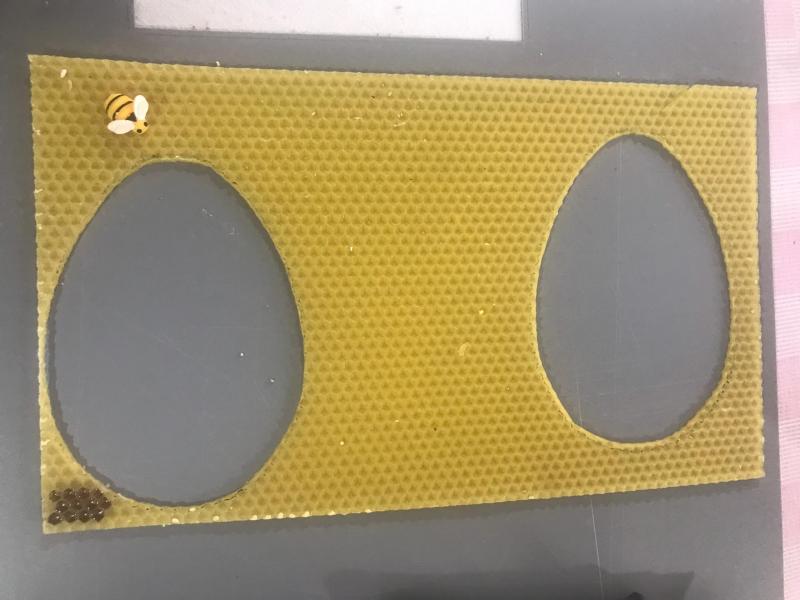
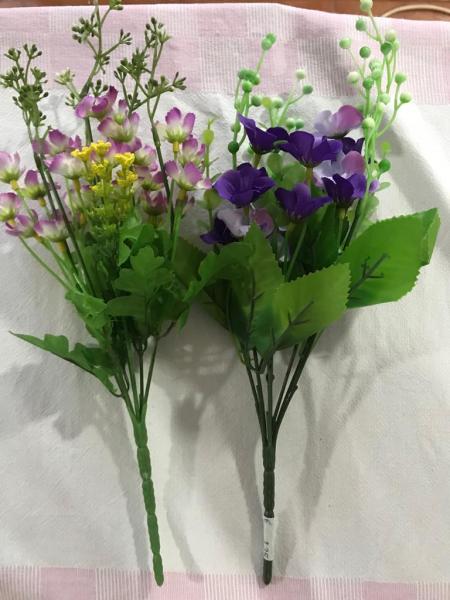
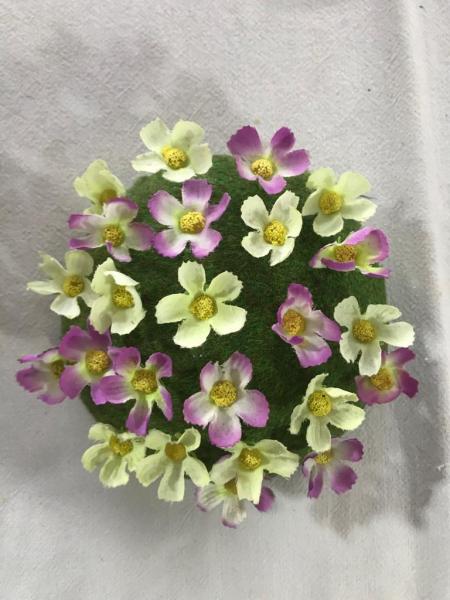
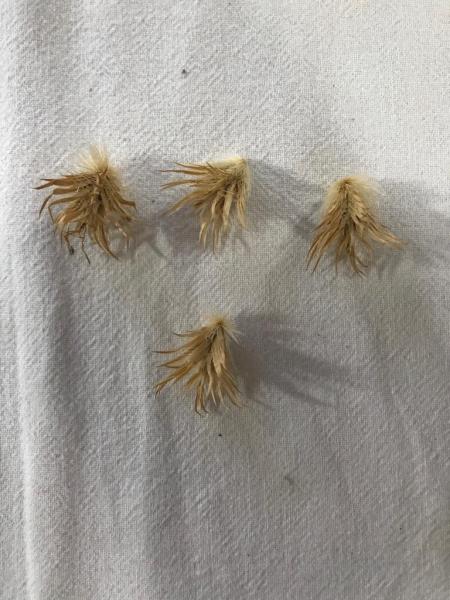
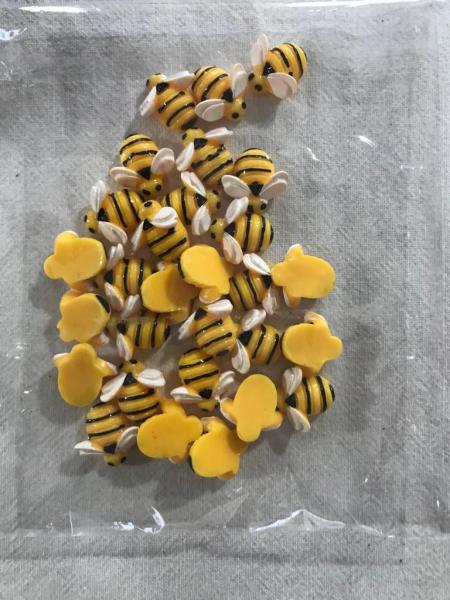
1- We gathered all the materials we needed which were: fake dead flowers, fake alive flowers, fake bees, fake grass, wood, paint, wax sheets, a small trunk of a tree, Styrofoam ball, glue, chopsticks and cardboard.
2- Firstly we cut the Styrofoam ball in half and glued it to the small trunk an glued that to the middle of the wood
3 - We cut the wax sheet and glued it to both halves of the Styrofoam ball.
4- We spray painted black half of the beehive (Styrofoam ball) while the other half stayed with the colour of the wax sheet and glued the bees to the wax coloured side
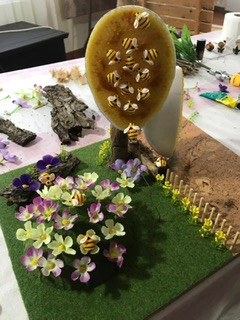
5 - We glued the grass in half of the wood, the side which has the bees and built a fence out of the chopsticks in order to separate both sides
6- We glued the alive flowers in the side which had grass and bees.
7- We glued the dead flowers on the other side (black beehive half)
8- We painted the back of both halves of the beehive with brown paint.
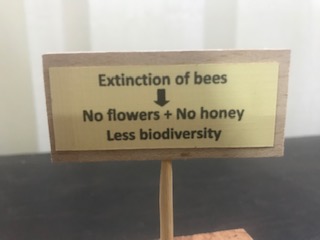
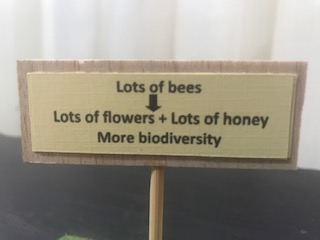
9- We put some information in each side glued on the cardboard, which were glued on the chopsticks and we glued it to the wood.
10- The information was indicating our hypothesis, which were depicted in each side of the model.
Podijeli