

Hosted by SALL , contributed by ggidas on 1 April 2022
Our students decided to take part in a school activity related to various aspects of food and nutrition. After a discussion in the class, they decided to create an innovative construction that could contribute to the economy of food and the aesthetics of food.
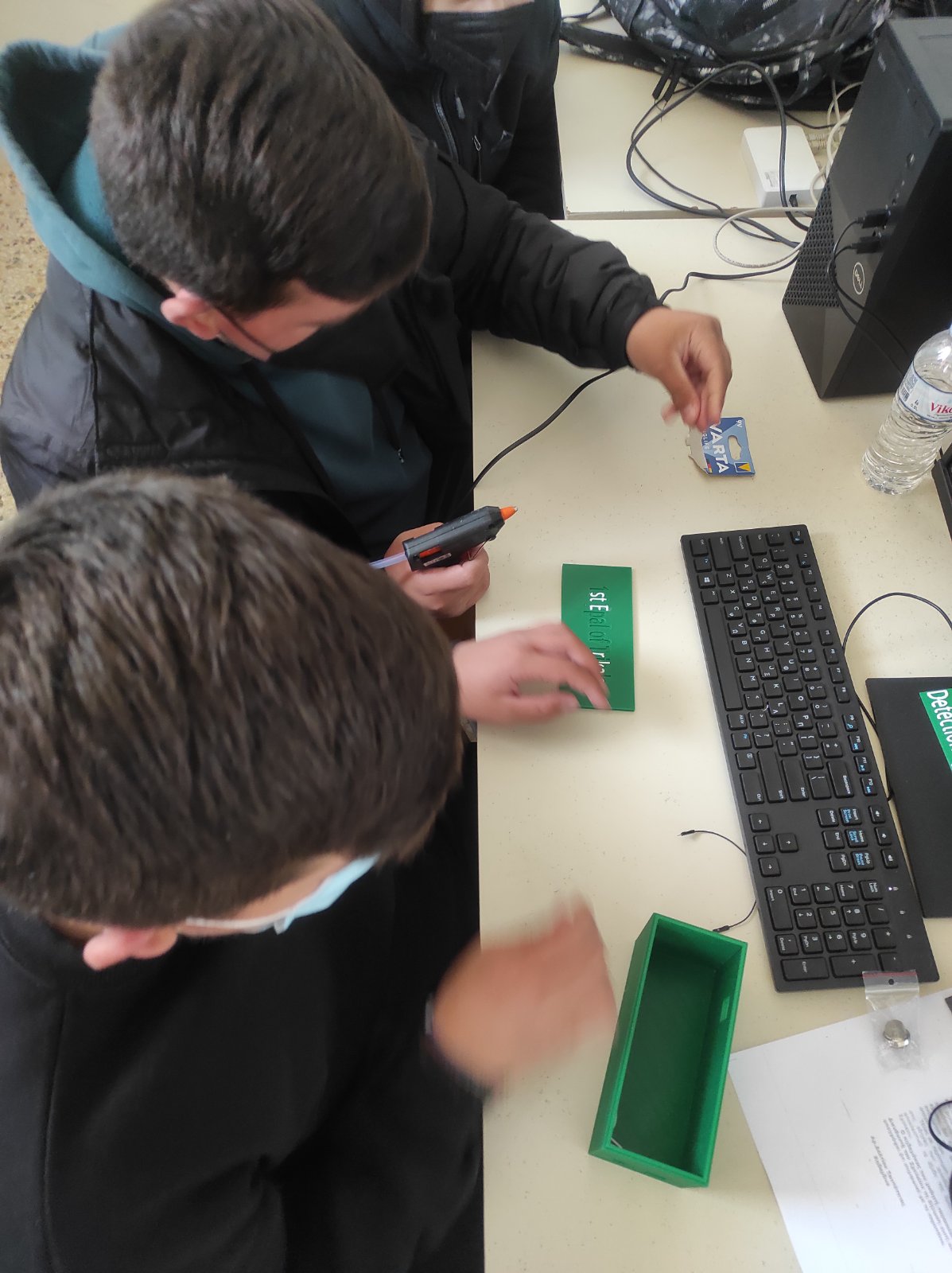
So, an Arduino system has been created that achieves the recording food spoilage. This is done with 2 sensors who are detecting the amount of methane emitted by food and measure the temperature and humidity of the environment respectively. This system was placed in a box designed by the students and printed at the school’s 3d printer.
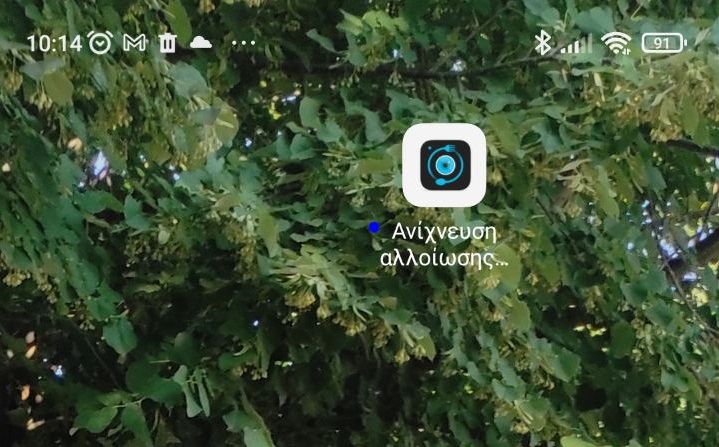
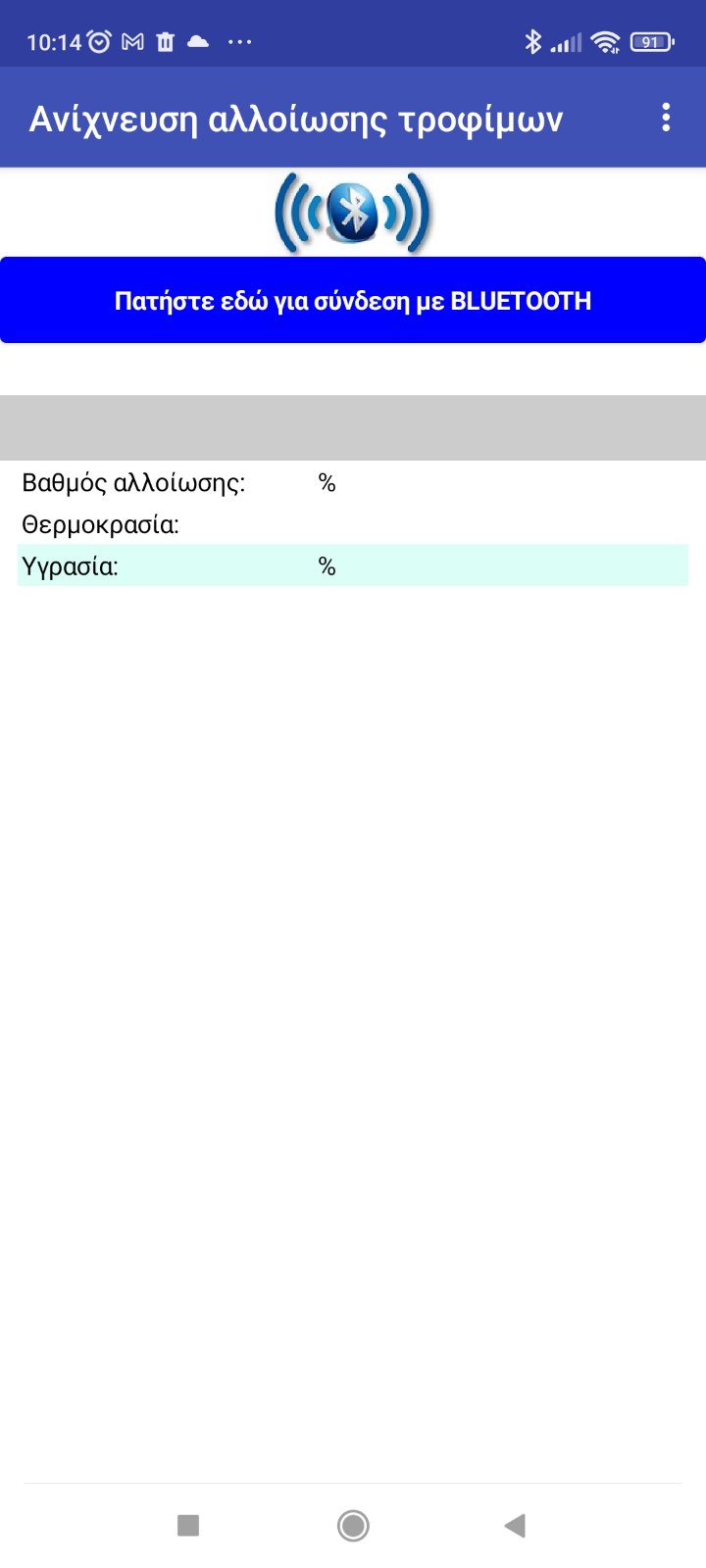
This information is sent to a smart Android device through bluetooth. 3 indications appear in real time on the screen (of the Android smart device), a) percentage of methane, b) temperature in oC and c) percentage of humidity.
Encadrement
Τhe last 5 years, οur school has been actively involved in robotics. The students with the support of their teachers have created impressive and innovative projects, earning several distinctions. A virtual tour of the Robotics and Innovation Laboratory and the created projects is possible through the website https://1epal-trikal.tri.sch.gr/draseis/mnae/.
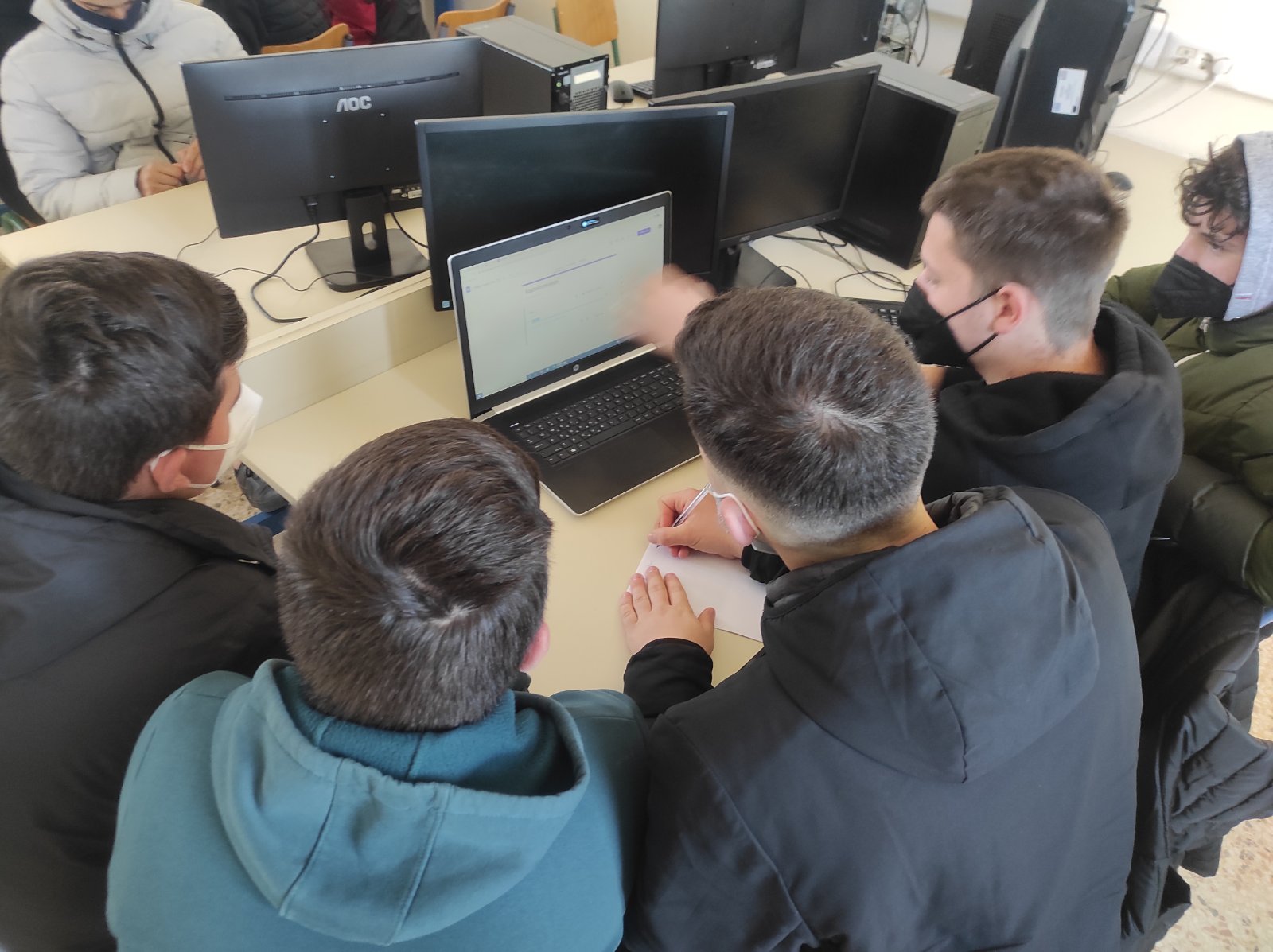
For this project, the students studied the factors that differentiate when a food is spoiled. Then they searched in internet for sensors that could be used to measure the food spoilage. After buyin the required materials, the appropriate wiring of the Arduino the necessary programming was done. Then an app was developed for Android smart devices to monitor these values with IoT (The Internet of things) technology.
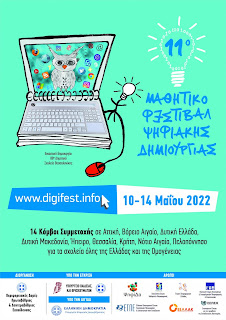
The result surprised our students and students of other schools, teachers and parents who saw the presentation for this project at the 11th Student Festival of Digital Creation.
Objectif
The purpose was to create an innovative project by a group of students of the 1st grade of our school, that covers the needs and interests of students and the local community in the Creative Activities Zone.
The aim was:
- The utilization of students' inclinations and their creative expression, the spiritual cultivation, the integration of each student's personality, as well as the cooperation between the members of the school community
- Awareness of students on issues of wider social interest and the development of a collective spirit
- The development of students' critical thinking, collective effort and experiential action through activities
- Creating a pleasant and creative environment where learning and teaching are not treated as a passive acceptance of fragmented knowledge
Co-création avec les acteurs sociétaux
Municipality of Trikala
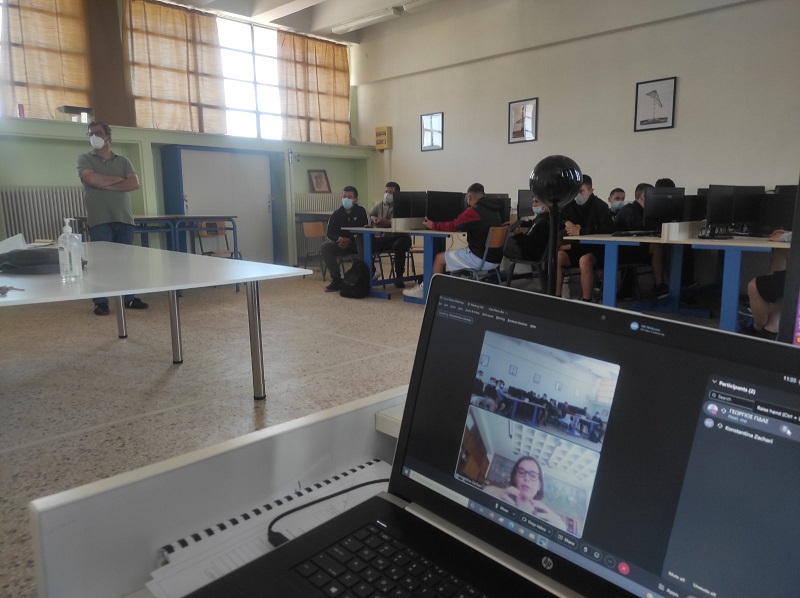
Our school had a video conference with the special collaborator of the Municipality of Trikala, Konstantina Zachari.
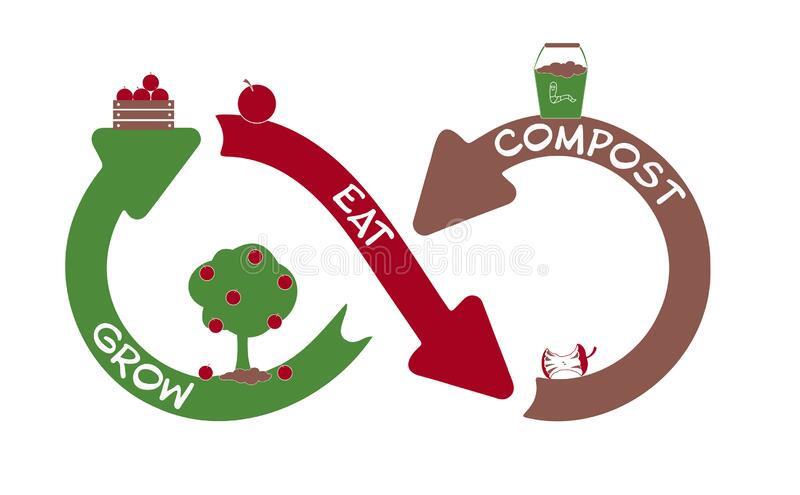
The students were informed about the upcoming installation of an integrated circular economy system, for urban vegetable gardens in Trikala. A program that aims to involve citizens in the effort to reduce the environmental footprint. This system consists of 4 parts: a) an integrated compost bin, b) a rainwater collector, c) a integrated crop planting area and d) a intelligent garden and compost management system.
By using this system, the Municipality of Trikala and its citizens will have significant benefits, such as:
- Reduction of used water from the water supply network
- Reducing the use of commercial fertilizer
- Reduction of water use for production
- Increase in the amount of vegetables produced
- Reduction of production costs
- Reduce the amount of waste
The great waste of food waste, especially in developed countries, was also discussed. The common conclusion of the students was that food is often discarded, and this could be reduced if there were appropriate tools to monitor the condition of food.
Following this important briefing, the students decided to set up their own system for intelligently detecting food spoilage, in order to help reduce the reckless waste of food.

Mise en œuvre
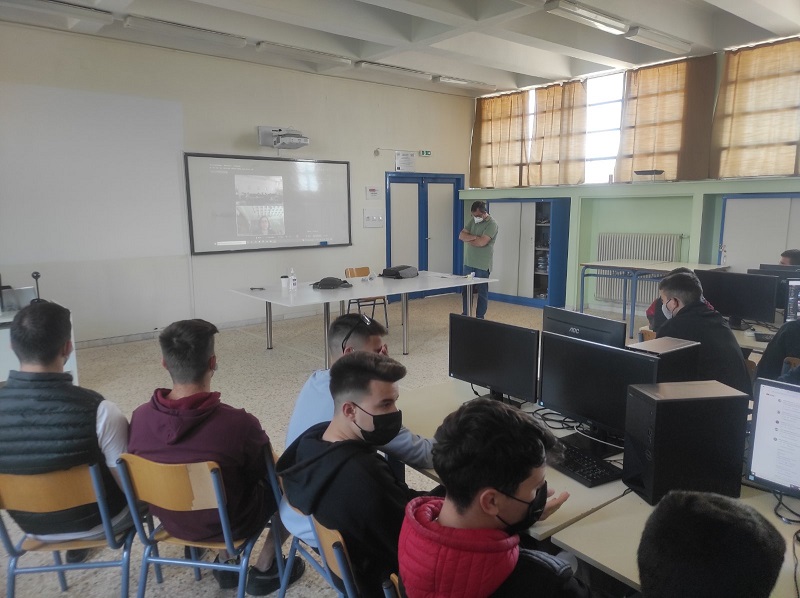
At the beginning of the project the students were invited to deal with the principles and practices of Citizen Science. Their first idea was to create a smart composting system using Arduino automation. A questionnaire was created to participate, collect and process data on this feature. The results are visible here in greek language: Questionnaire (https://www.schoolofthefuture.eu/sites/default/files/inline-files/Ερωτηματολόγιο%20Sall.pdf).
The students created an innovative construction that contributes to the economy of food and the aesthetics of food. This idea was opposed to composting, as students were working on Arduino automation for the first time and such an application was easier for children to implement in the available time they had.
Réflexion
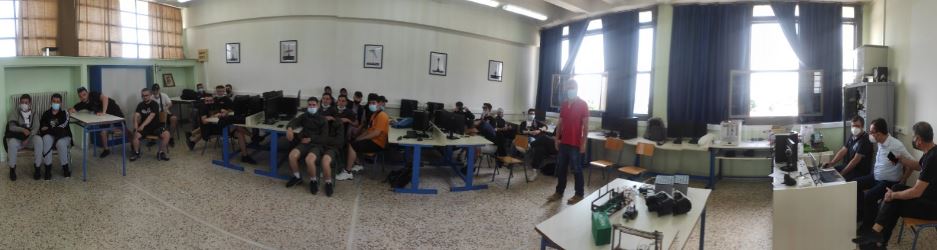
Student's construction was presented at the 11th Student Festival of Digital Creation in Trikala, giving them the opportunity to share their digital work, which they developed at school for the SALL program, with other students, teachers, parents and visitors.
The next step is to create a smart composting system, where peeled or whole fruits and vegetables that have been spoiled or discarded can contribute to the circular economy, highlighting the benefits for the humanity.
Futurel Plans
The next step is to create a smart composting system, where spoiled or discarded fruits and vegetables can contribute to the circular economy, highlighting the benefits to all of humanity.