Hosted by SALL , contributed by rudib on 30 January 2023
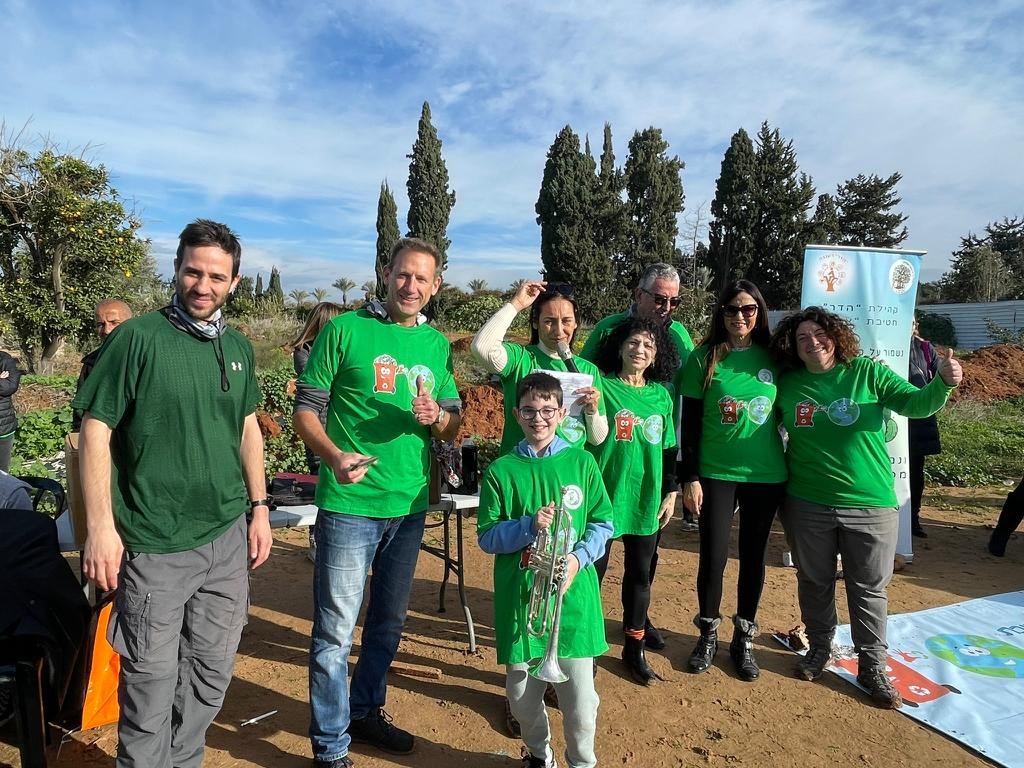
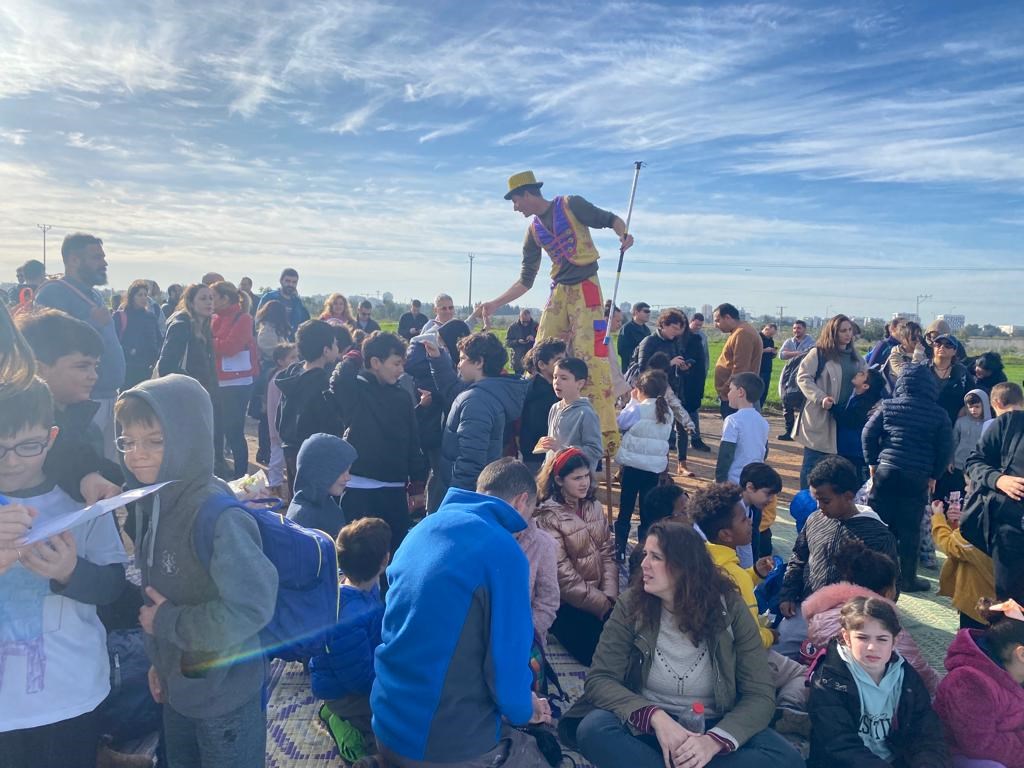
The Climate Change Festival is an event hosted by Alon Middle School in cooperation with Hadar Elementary School in Ra'anana. The festival raised awareness towards problems in the field of climate change. We targeted topics such as food waste, endangered animals, plastic waste, pollution and the usage of non-disposable products. Students and parents from Hadar Elementary School were led through different activities regarding these topics. Our main goal was to raise awareness to parents and kids and to stop harming the environment.
Encadrement
The main problem we decided to focus on was that there isn't enough awareness and knowledge towards climate change and the causes for it. We as students and teachers know we can do better towards education current and future generations in preserving the Earth. People don't know that their actions like wasting food, using non-biodegradable products, and letting out greenhouse gases have major consequences towards climate change. We see people walking around on the street, even here in Ra'anana, that waste food and throw away disposable utensils because there's no one to tell them otherwise, which is what we're here for.
Objectif
We wanted this event to be a meaningful experience for kids and parents alike, and for it to make them change their view and actions. We wanted to clarify that recycling isn't the only thing that helps the environment, because there are other things that can help more. Our goal is for people to understand that they can change their way of life (even in the slightest), and it would have an impact. People need to be educated about using biodegradable products instead of other harmful materials such as plastic.
Co-création avec les acteurs sociétaux
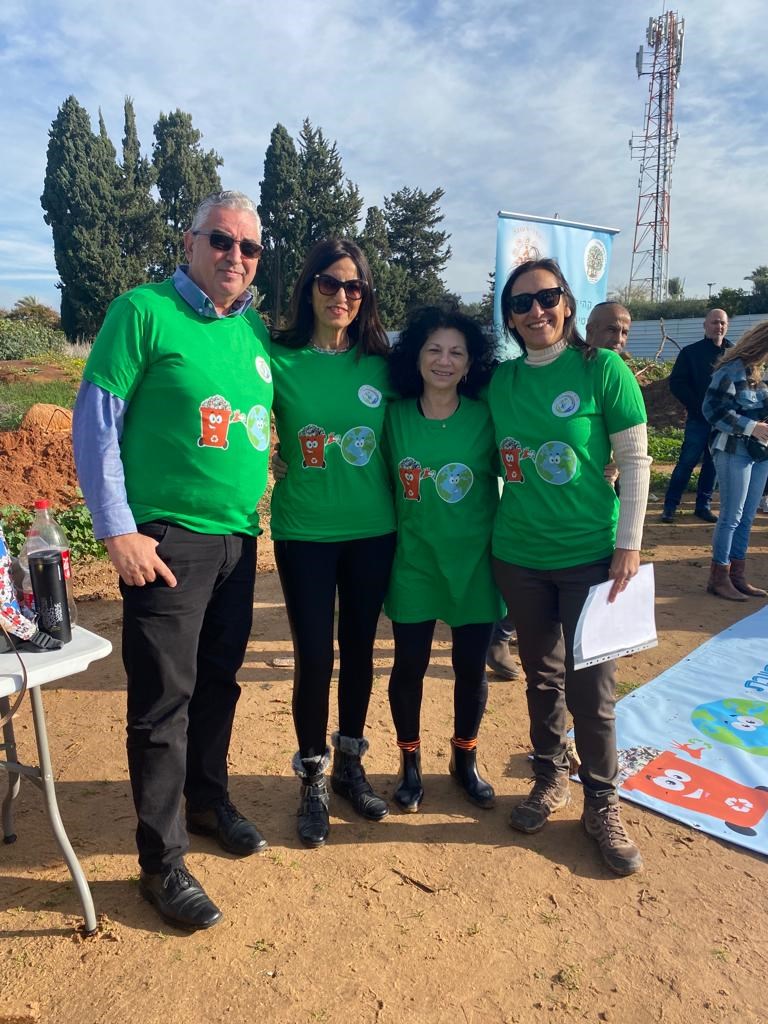
We formed a committee that held meetings in order to plan this event. Alon School was in charge of thinking of the activity stations, in cooperation with environmental experts, while Hadar School helped think of fun ideas that the students would enjoy. In addition, Alon and Hadar schools worked together to plan the event itself. The decorations, music, location and festivities were all thought of during these meetings. Representatives from the municipality of Ra'anana, such as the mayor, Chaim Broyde, attended the event and made various speeches.
Mise en œuvre
First, we decided on a problem we would like to solve. We brought together a committee which consisted of management from Alon and Hadar schools, environmental professionals and representatives from the municipality of Ra'anana. We wanted to host an event that would be fun and exciting for the kids, while also being meaningful and educational. The committee held a few meetings and decided on topics we want to address with this parade. The next stage was to organize and plan the activities. Teachers and students from Alon Middle School worked together and thought of activities that can be implemented regarding these topics. The Alon students brainstormed and thought of fun activities that would keep the kids engaged. Next, the students tested these activities on their peers to see that they would be enjoyable activities that would help kids learn. One example was the TikTok station. In this activity, kids had to come up with a fake campaign towards helping reduce food and plastic waste and film a short video explaining it. Then, we invited the students of Hadar school and their parents to the parade in the fields of Ra'anana. When the day came, we organized all the activity stations and decorations and started the festival!
Réflexion
We feel that this event had a major impact on us students, teachers and even parents. The students and parents understood that they can do many more things to help the climate. We also learned that there are many consequences of climate change and we need to slow it down. Although this event was a huge success in our eyes, we know there are still more things we need to improve on. This is our second year of hosting this event, and we already made big changes after getting feedback from parents and teachers last year, and we plan to do this same this year and years to come. One piece of feedback we got from last year was the length and amount of the activities. The students informed us that there was too much walking and not enough involvement in the activities which caused them to lose focus. To fix this, we implemented new activities to cause more engagement from the students so they won't get bored. One activity they seemed to love was the memory game station, where the kids split up into two groups and competed in a memory game about endangered animals. This year, we got feedback that the parents didn't get enough attention so they were just getting dragged along behind their kids and barely listening. In order to fix this, next year we'll add more activities to engage the parents more such as a parent/child race. We'll host a conclusion meeting with our committee and discuss the good and bad things that occurred. In addition, we're planning to send out a form to Hadar school and that'll give us even more info on what we need to improve on.
Futurel Plans
As we stated before, this is the second year of this project, and we plan on continuing it for many years to come. Thus far, it's been a major success and we already improved a lot on what we had last year. In the future, we'll expand our knowledge and make this festival an even greater learning experience. We could also invite more schools to come and enjoy the festivities. This would make the range of people we are educating larger, which was exactly the goal: to teach people about how they can help fight against climate change.