Hosted by SALL , contributed by samgeorg on 13 July 2023
As humans, we have the ability to learn in order to become better. This is achieved through learning and experience. When we are born, we don't know how to do anything, but almost every day we learn more and more things, both on our own and with the help of others. The same can happen with machines or computers, which gather enough information and data to be able to draw conclusions on their own.
Background
Machine Learning refers to the process through which computers/machines can learn from the data they collect in order to recognize patterns or situations and make appropriate decisions. Additionally, we can state that machine algorithms are "trained" through scenarios and examples, where they learn and analyze data to make predictions for the future. Machine Learning is a process that creates Artificial Intelligence.
Aim
Machine Learning is the process by which computers/machines can learn from the data they collect, in order to recognize patterns or situations and make appropriate decisions. The machines are fed with various data to analyze, draw conclusions, and then retain that data to improve and achieve increasingly accurate results over time.
Types of Machine Learning
Several techniques of Machine Learning have been developed, which are used depending on the nature of the problem and fall into one of the following two categories:
-
Supervised Learning: In supervised learning, the system is tasked with "learning" a concept or function from a set of data, which serves as a description of a model.
-
Unsupervised Learning: In unsupervised learning, the system must discover correlations or groups within a dataset, creating patterns without knowing the number or nature of these patterns.
Let's try to train such a system. Go to the following page: https://hourofcode.com/ai-oceans and click on the "Try it now" button. Follow the instructions and train a machine to collect waste from the ocean.

Co-creation with societal actors
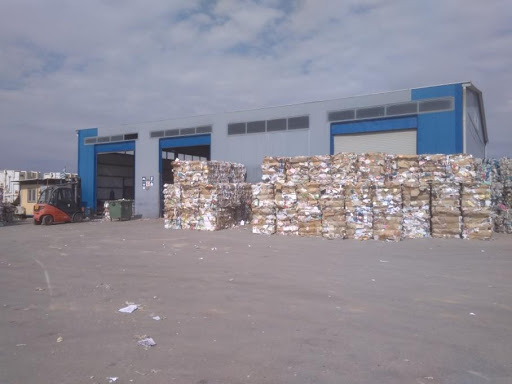
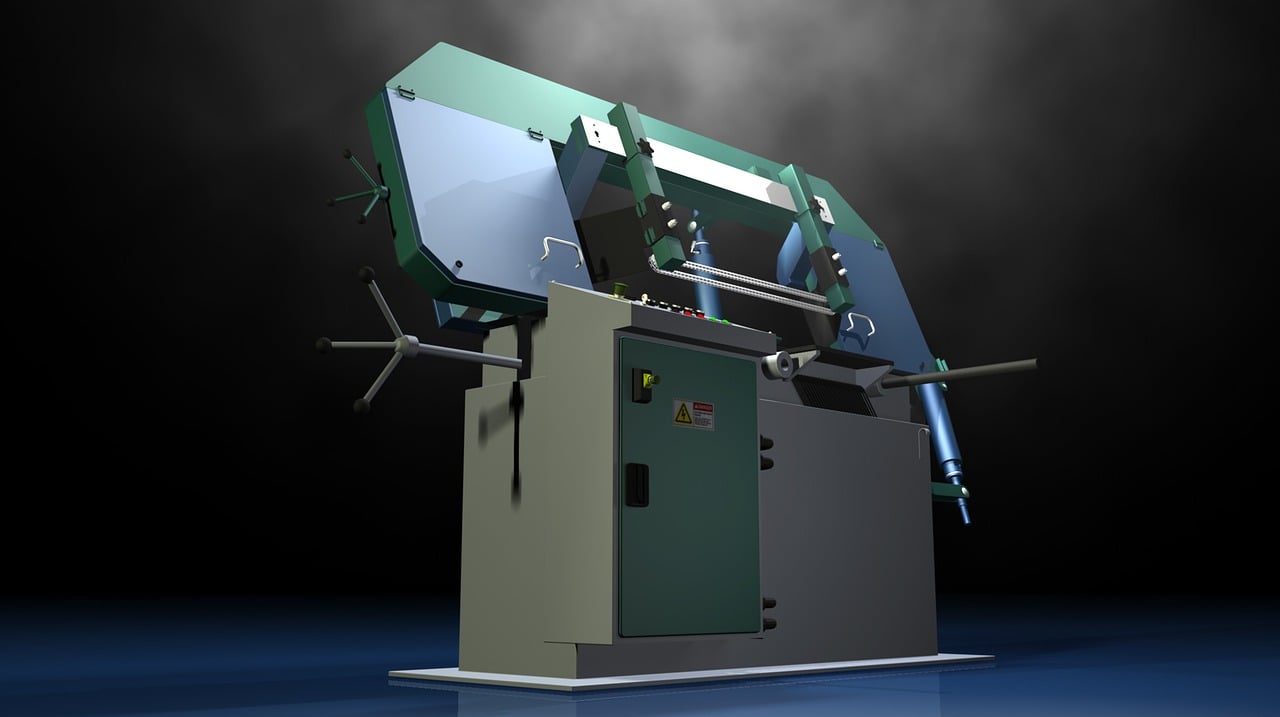
To build a recycling sorting machine, the assistance of experts is necessary. The most knowledgeable individuals in this field are the employees working in the waste collection company of municipalities. Additionally, the contribution of an engineer and a programmer would greatly help in the construction of the machine.
Implementation
Now that we understand how we can train a machine to learn, let's see how we can use Machine Learning in real life. Google's Teachable Machine is a website that allows people to explore artificial intelligence by training their own machine learning models.
To train the machine, you will need a Google account to log in to the platform. Once logged in, you will be prompted to choose one of the three learning options:
- Image
- Sound
- Pose
Let's select "Image" and choose the dimension for the photos in our database (we recommend the Standard Image Model). On the next screen, you will be asked to start "teaching" your machine.

In each class, you can add photos either by using existing ones or by using the camera to capture faces or objects. The minimum number of images you should input for each class is at least 80 images from different angles. Watch the following videos to learn how to train a machine!
Watch the following videos to learn how to train a machine!
Introduce a trained machine into Scratch
we can use the "Create" feature provided by Scratch. This allows us to connect our "trained machine" with a program we code, using the respective classes we have created. To access this feature, you can work with Scratch through the following page:
https://playground.raise.mit.edu/create/
To enable the machine learning extension, go to the extensions menu and select the corresponding option.


Watch the following video for the method of embedding in Scratch.
Reflection
With the implementation of the prototype machine, it could be possible to construct larger-scale versions to be placed in crowded areas. Such places include schools, transportation facilities, public services, cinemas, etc.
Futurel Plans