Hosted by SALL , contributed by Kritharioti Pa… on 13 July 2023
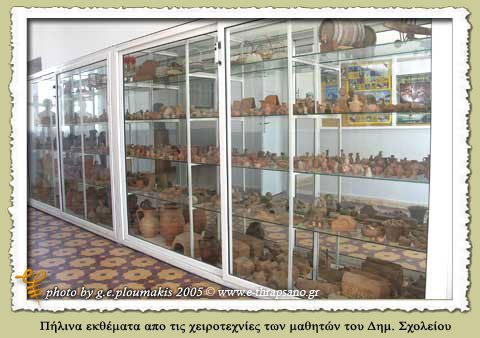
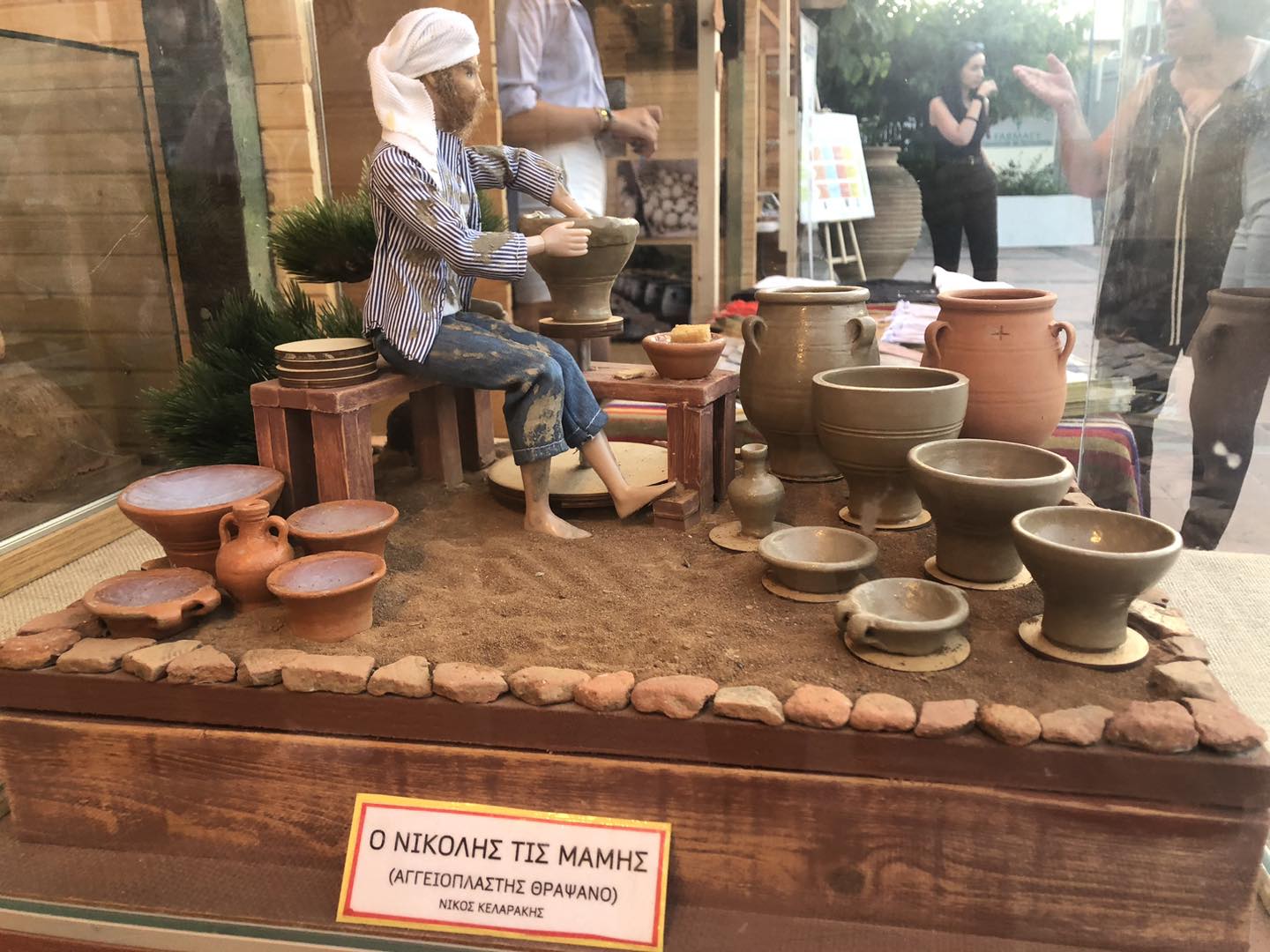
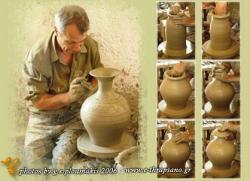
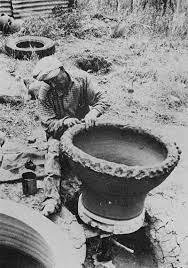
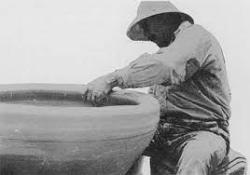
Pottery is one of the oldest arts and has to do with the manufacture of mainly clay vessels. Pottery initially flourished in Crete in the first Minoan years 3000-2100 BC. and reaches its greatest peak in the middle Minoan period 2100-1580 BC. in the form of clay vessels.
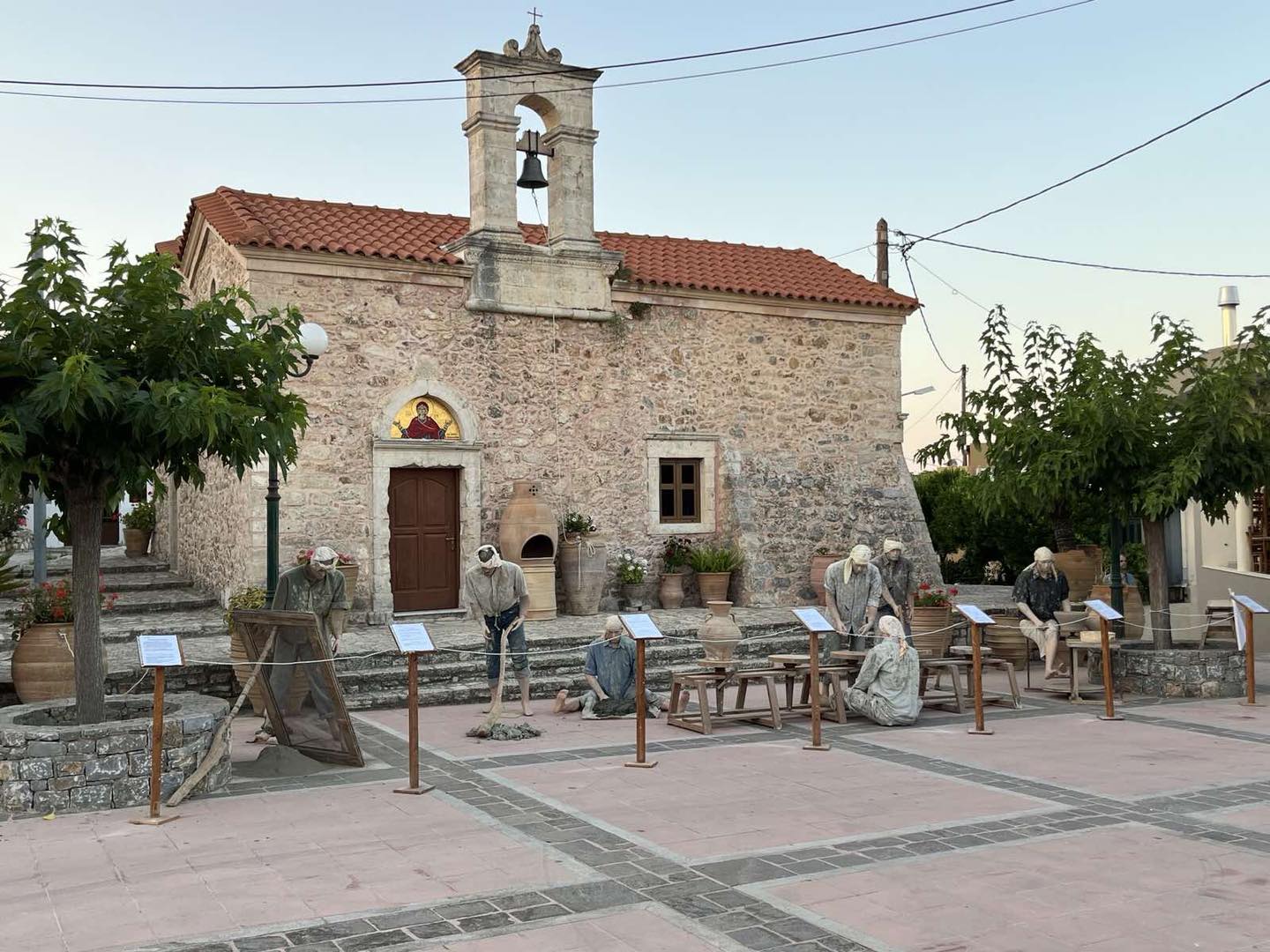
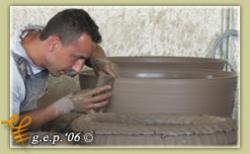
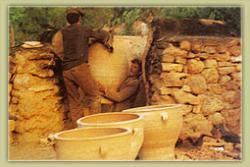
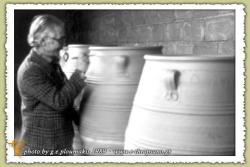
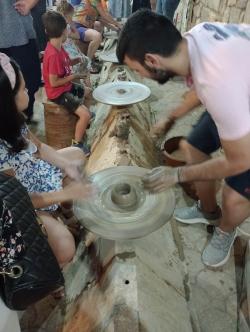
In Thrapsanos, where our school is located, this is a tradition that is lost over time and is preserved to this day. In our village of Thrapsanos in the Municipality of Minoa Pediados in Crete, the manufacture of ceramics and jars is an art that is passed down from the oldest to the youngest, from generation to generation. A famous art, since Thrapsanio jars travel all over the world and have fans everywhere.
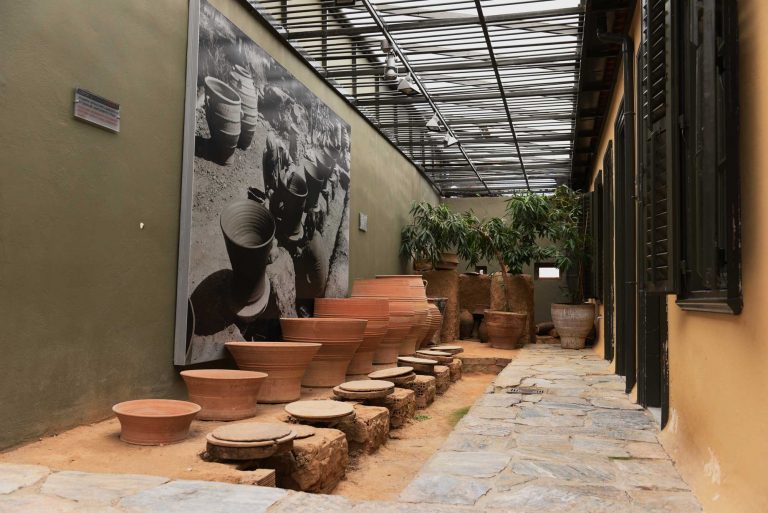
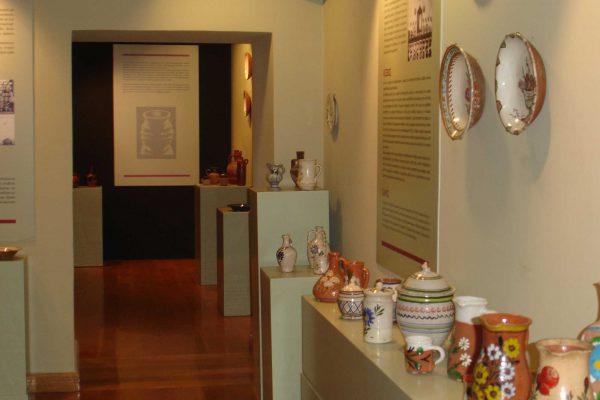
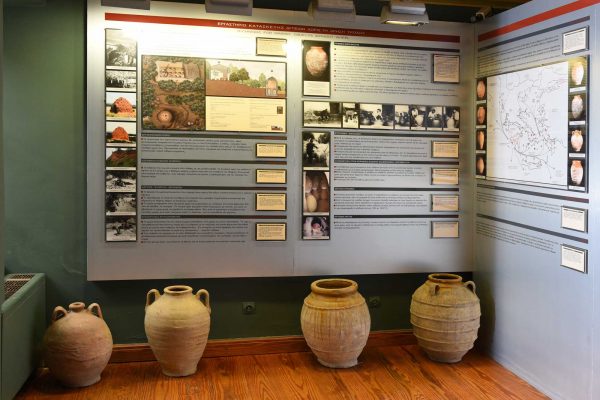
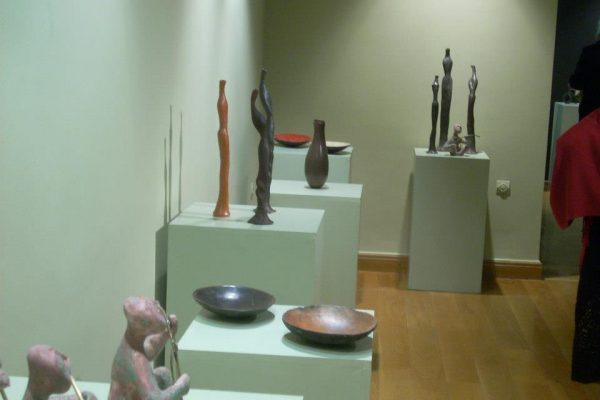
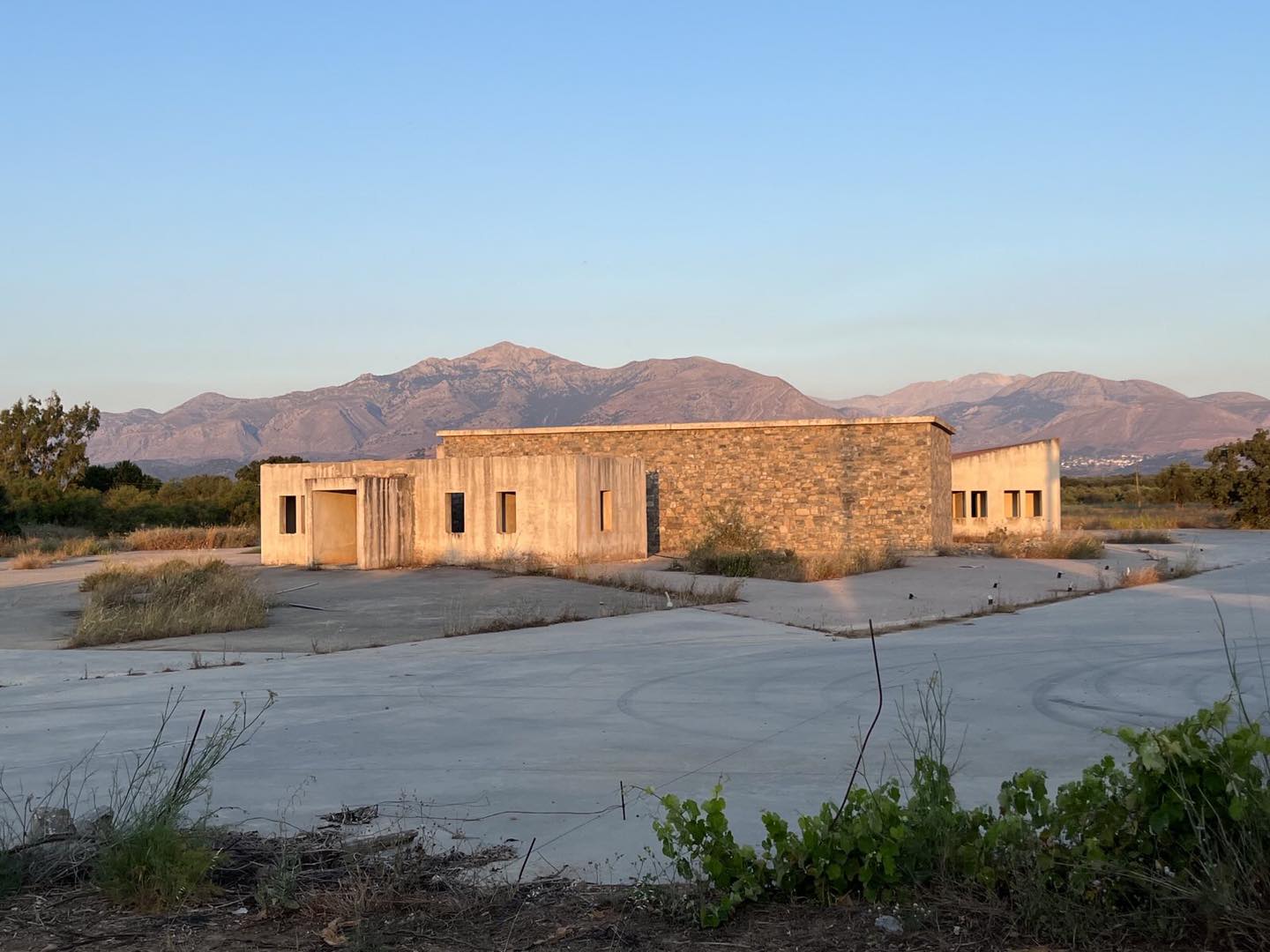
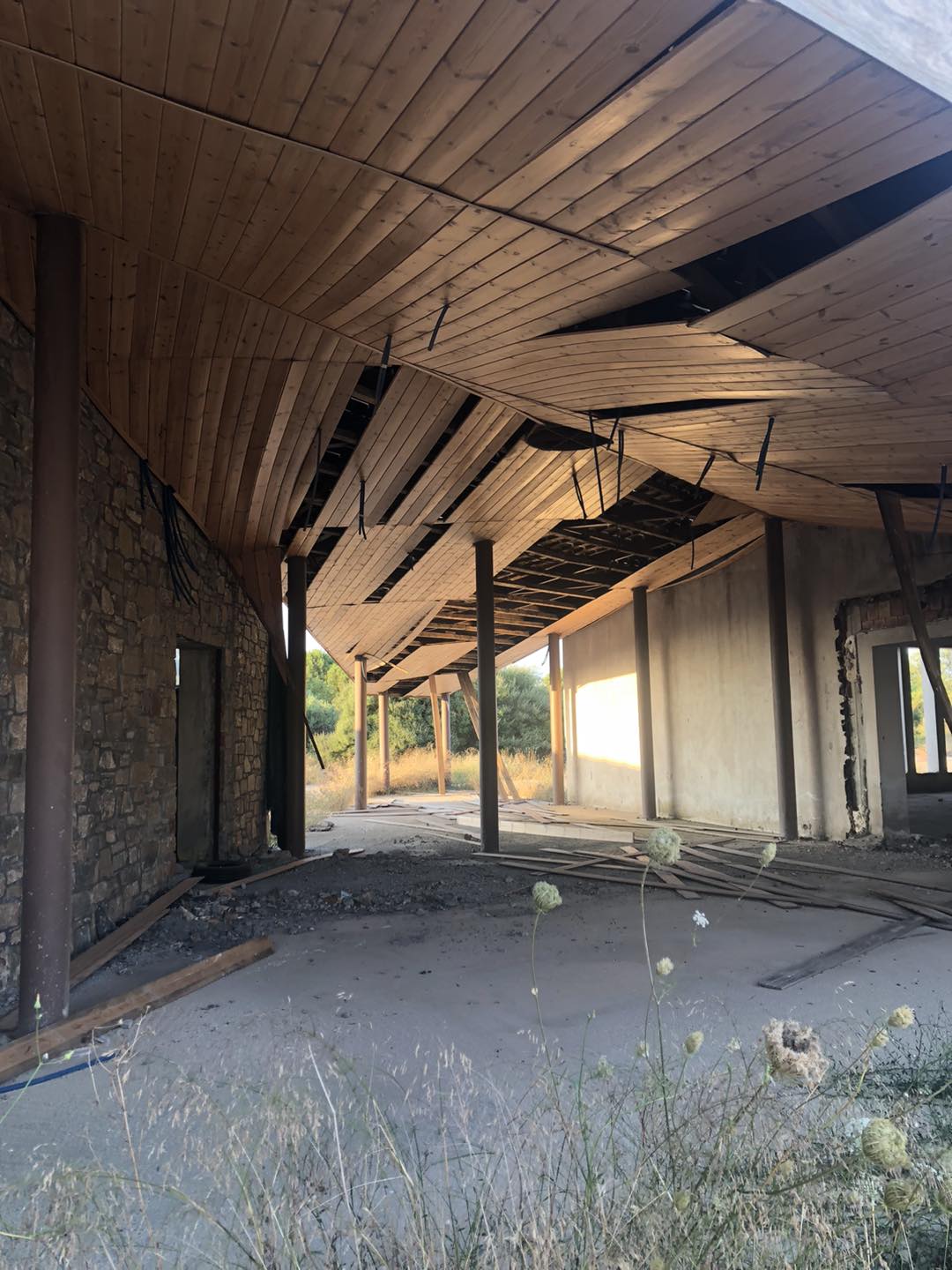
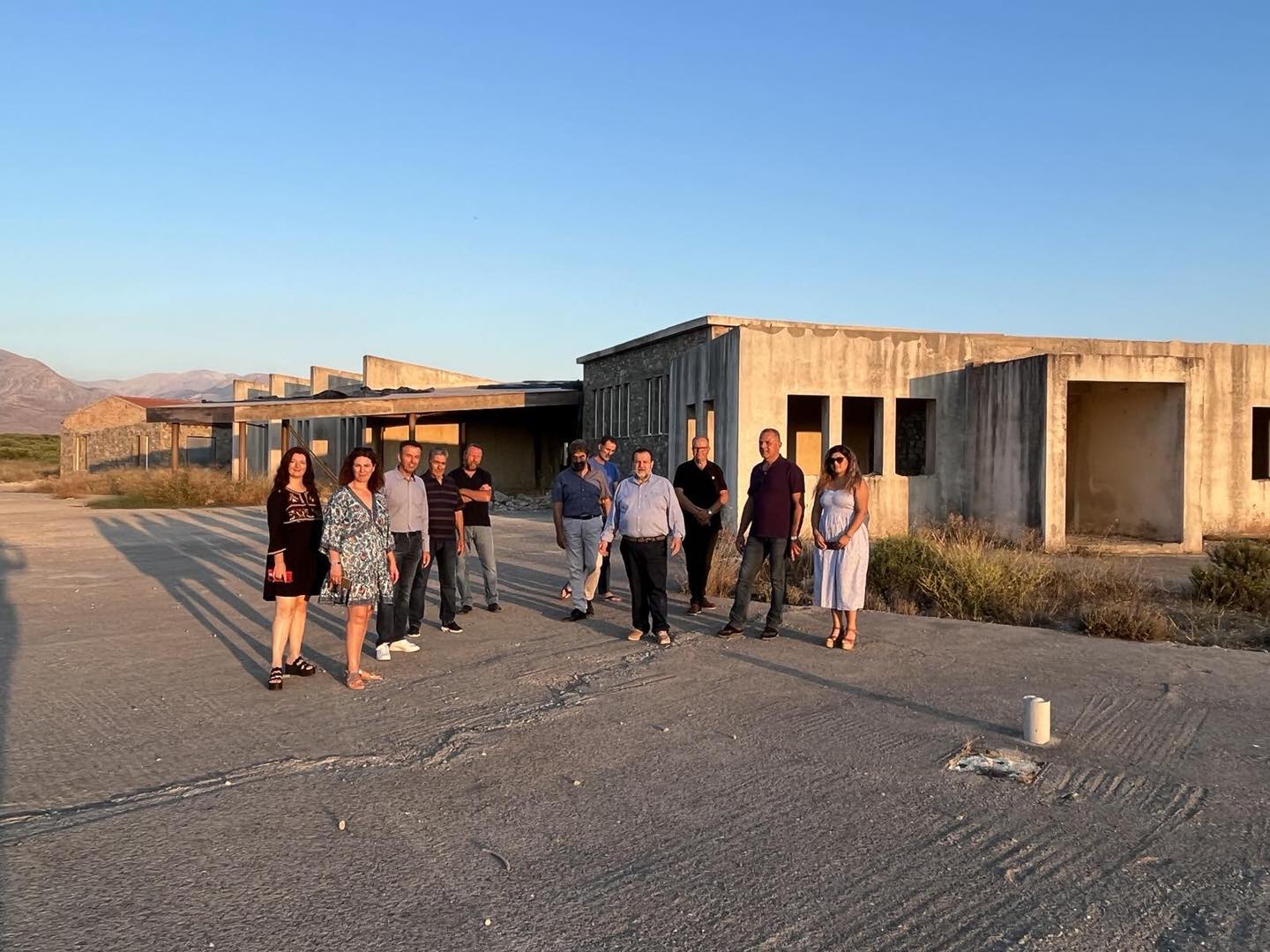
2003 a museum for pottery has startet to get contructed.
The goal was to create a pole of culture, tourist interest and development of the region.
Aim
The purpose of our project is to raise awareness among all the residents of the community about the problematic situation of the pottery museum. The sustainability of this museum is crucial to the development of the area, especially now that the new airport (which is now constucted) will increase tourist mobility in the area
Dispite of that it will play an essential role in the maintainance of pottey's history as well as the support of our cultural heritage.
Co-creation with societal actors
The importance of our project requires the participation of many societal actors. After the awareness phase of the students is over, they will undertake to present the results of their research to a meeting of parents and residents of the local community. The prototype of the project will also be presented there, specifically a poster with which a financial support campaign for the sustainability of the museum will be launched.
Our stakeholders:
Association of Parents of our primary school
Pottes cooperative of Thrapsano
Local crafts and industrial units
Ministry for culture
Association of Thrapsaniots of Attica
Implementation
Step 1
We start with awareness activities on the cultural heritage of pottery, with references to historical evidence from the beginning to the present day.
The aim is for students to understand the importance of preserving cultural heritage as a structural element of their existence. Co-create a presentation on the topic.
Step 2
Research into the modes of operation of a pottery museum. Are there already examples of other museums?
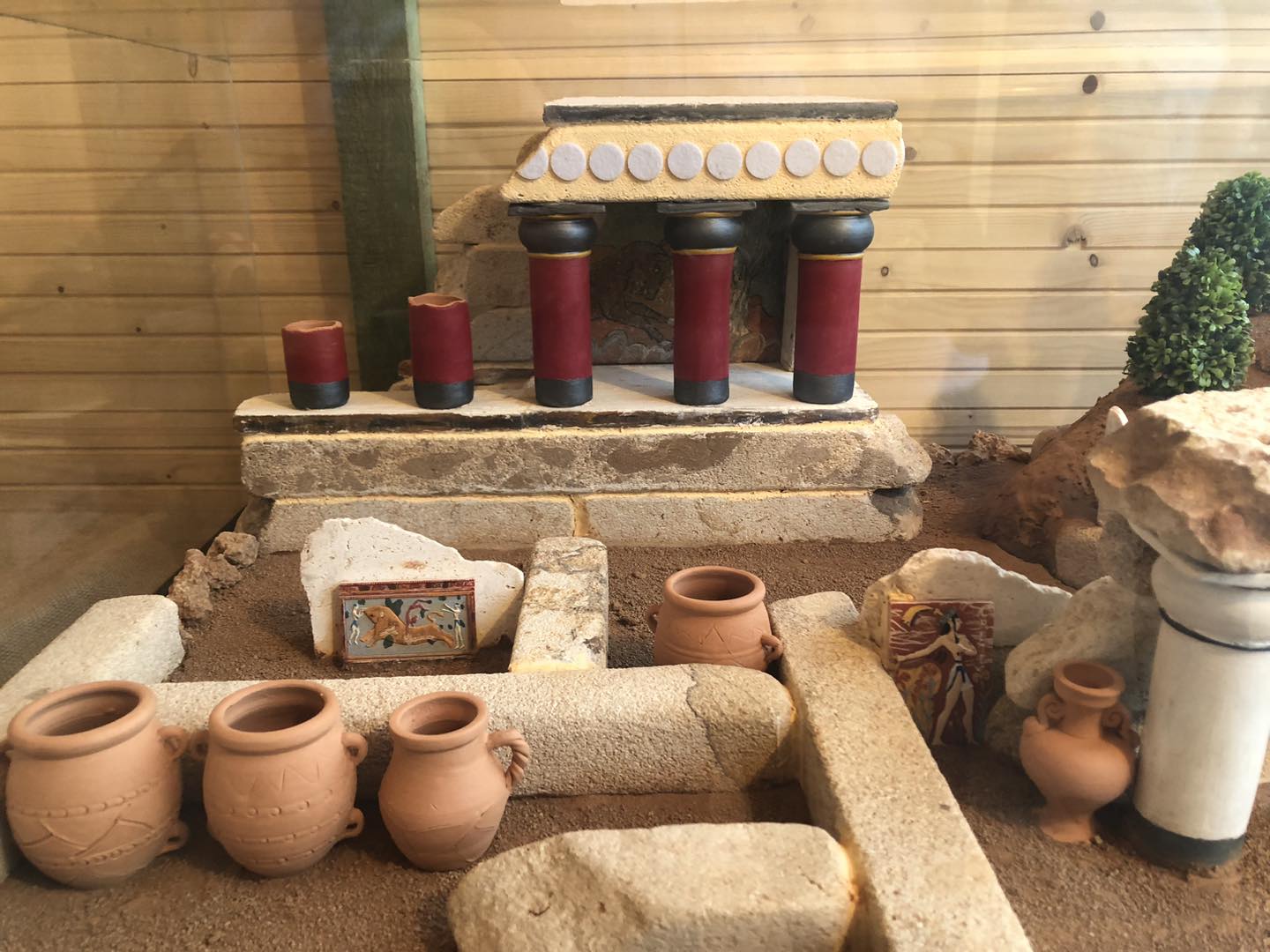
Study them, recording the most important elements. What does a museum offers to the community? (place for preserving and highlighting our cultural heritage of pottery, visits of tourists, organisation of cultural events, educational seminars, workshops, develope). Attempt to build and operate a small pottery museum on the school site, presenting it to the community.
Step 3
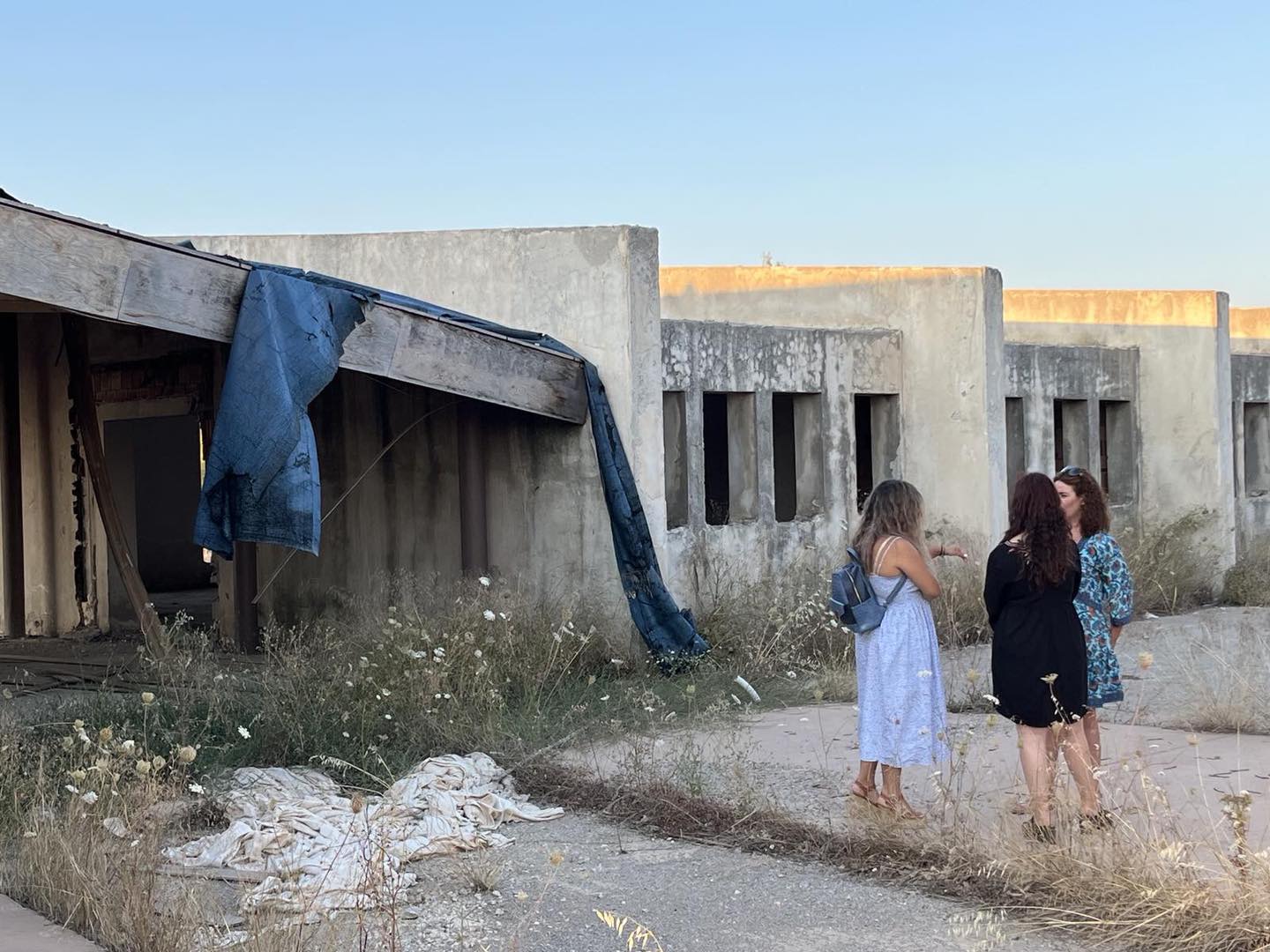
After the research phase we will get in touch with the real problem. There is already a building from 2003 that was meant to be a pottery museum. However, it has been abandoned and unused for 20 years.
Site visit. We envision this space to work. How would it be; What does it take to achieve such a state? Partnerships and money! We start planning a campaign. We create our prototype, a financial support appeal poster. We present the results of our work in a meeting with local authorities and our partners. We start the campaign by mobilizing all the means at our disposal.
Step 4
The main goal is to collect money. After the end of the campain we are going to have a meeting with authorities and stakeholders to plan our next step.