Hosted by SALL , contributed by SophieJLD on 12 December 2022
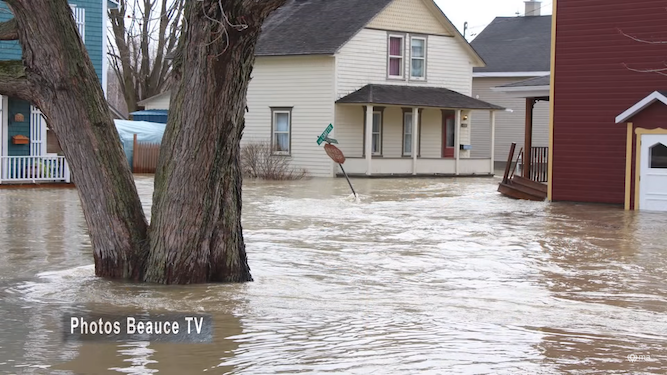
After devastating floods, the flood plain where part of the city was built became unviable. Houses there were abandoned or destroyed, and Businesses moved to safer areas.
The idea of this project is to engage and unite the school community and the extended community of the region (Beauce) impacted by this disaster around a project to transform the neighbourhood through a green transition. Moving from a dramatic event in the history of the city to a resilient project of urban transformation and regeneration.
Background
Two teachers (French and Mathematics) in charge of the school's environmental committee contacted local actors (first the municipality, an NGO focused on the arborisation of the city, parents...) to launch a green transition project on the affected land. They had no previous experience of Living Labs projects.
Aim
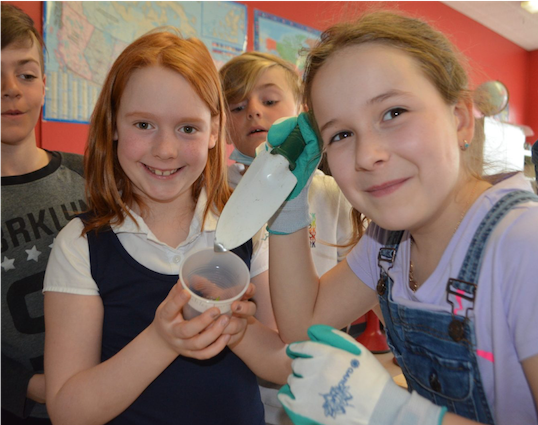
The collaborative creation of shared vegetable gardens benefiting various local actors (inhabitants, NGOs, etc.).
Co-creation with societal actors
Municipality provided its approval and support for the project.
NGO "Société de l'arbre mariveraine" (SAMAR: www.sainte-marie.ca/citoyens/organismes/samar/ ) contributed with its experience in building green spaces in the city.
Parents were motivated and involved throughout the project.
Other local actors then joined the project as it developed.
Implementation
After contacting the first partners, the project started and other interesting local actors became involved:
The NGO "Comité d'accueil et d'intégration des immigrants" (CAIDI: www.sainte-marie.ca/activites/comite-daccueil-dintegration-immogrants-caidi/ ) which helps migrants to integrate into the community. They participated in the construction of shared vegetable gardens.
The NGO "La Source" (www.facebook.com/lasourcedesaintemarie/) which provides vegetable boxes to vulnerable or excluded people. The production of the gardens is included in their boxes.
A business and training centre (CFER: www.cferdebeauce.com) which provided and assisted with the logistics of the project.
The social centre "Maison de la Famille" (www.maisonfamillenb.com/) which is a resource center for families, located next to the school.
Local market gardeners: organic vegetable producers who shared their knowledge.
The will and motivation of all these actors, the students and their families, the teaching staff and the municipality have enabled this project to succeed and to continue.
Futurel Plans
Impliquer l'ensemble de l'établissement (18 classes).
C'est un projet à long terme, qui produit et produira des résultats tangibles et visibles au cours du temps. Il s'agit d'un effort continu, qui se poursuit pour l'ensemble des personnes impliquées.
Les enseignantes ont cependant identifié un besoin de financement stable pour continuer à le développer sur du long terme.