The problem
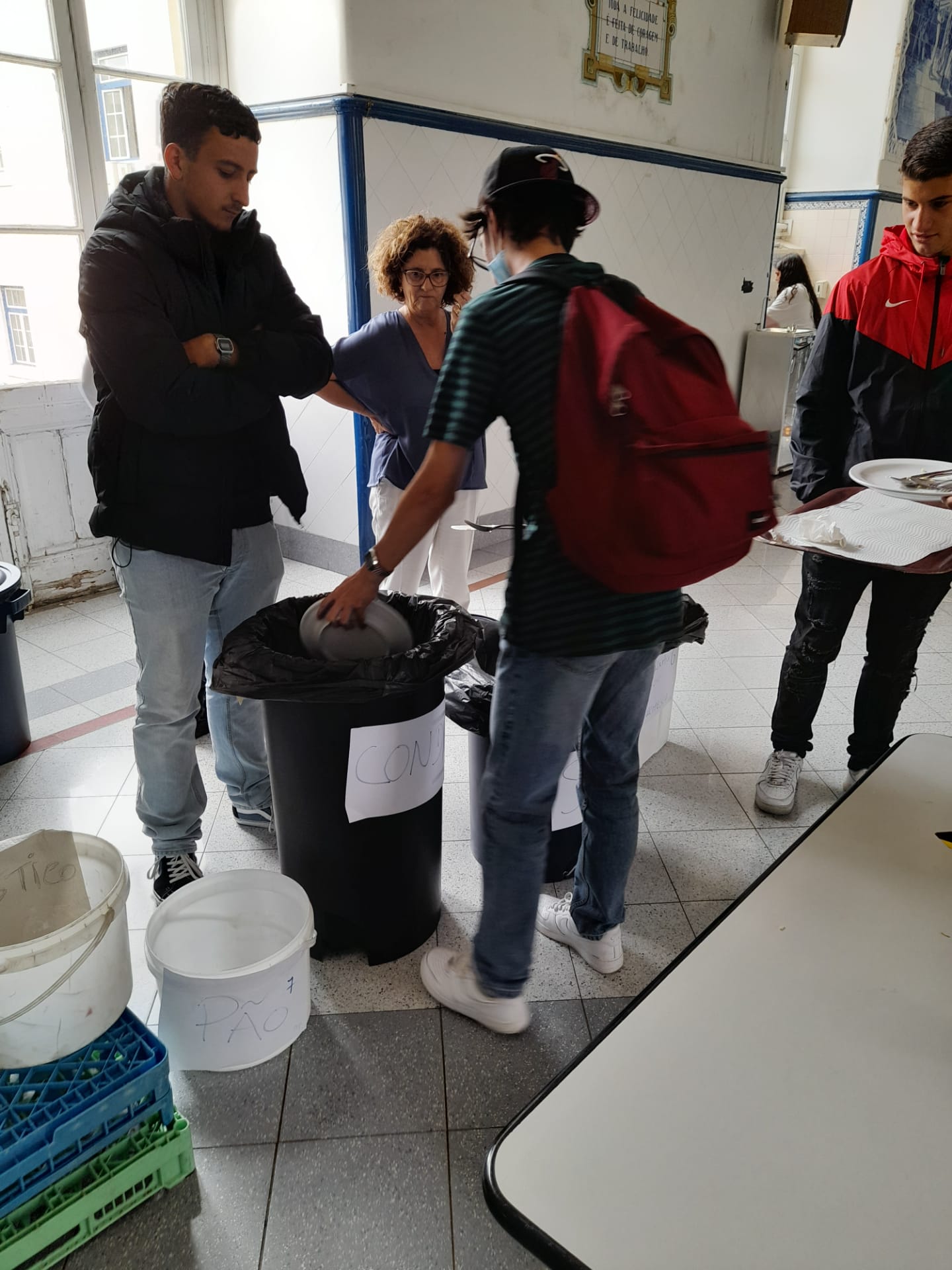
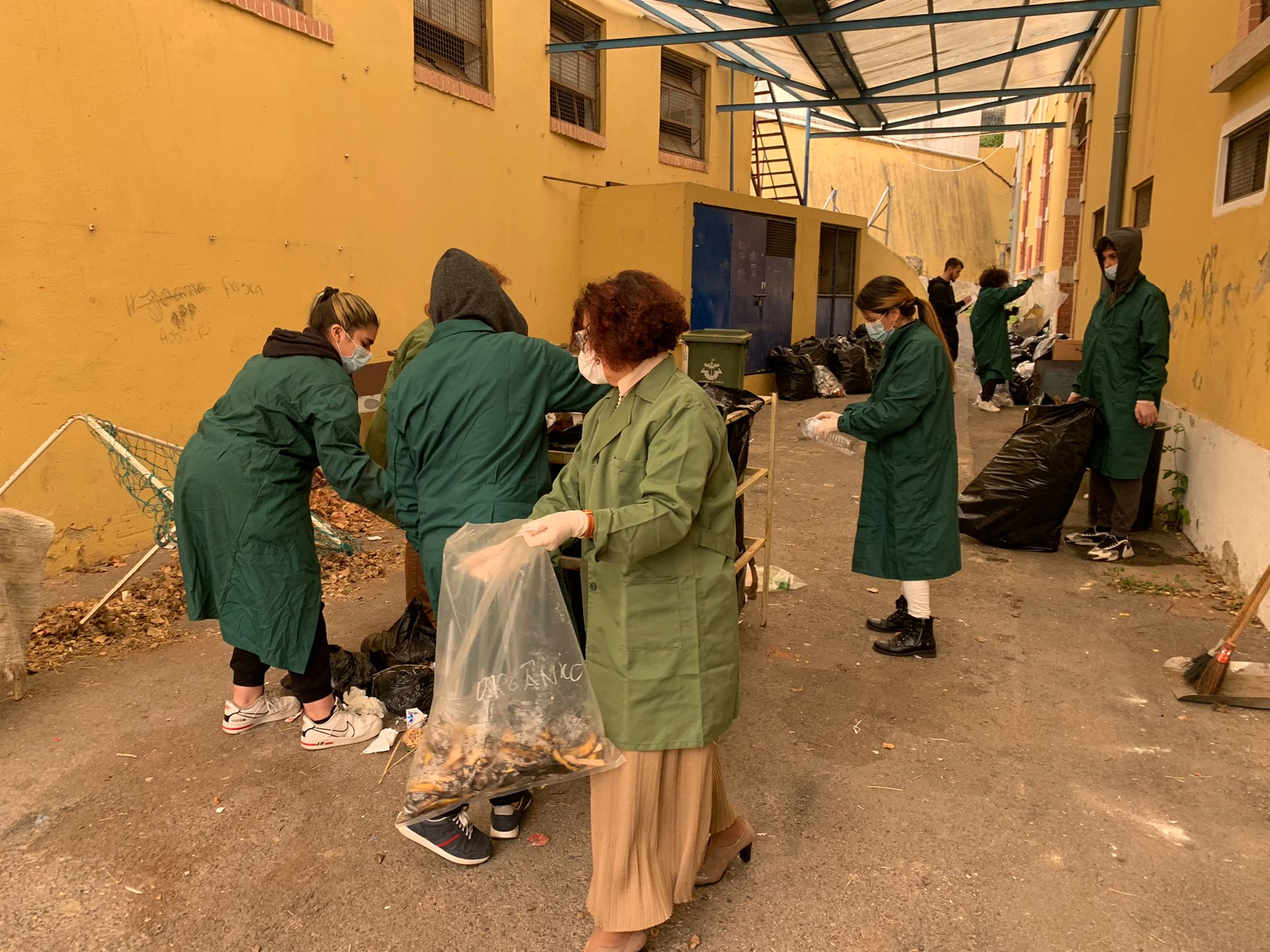
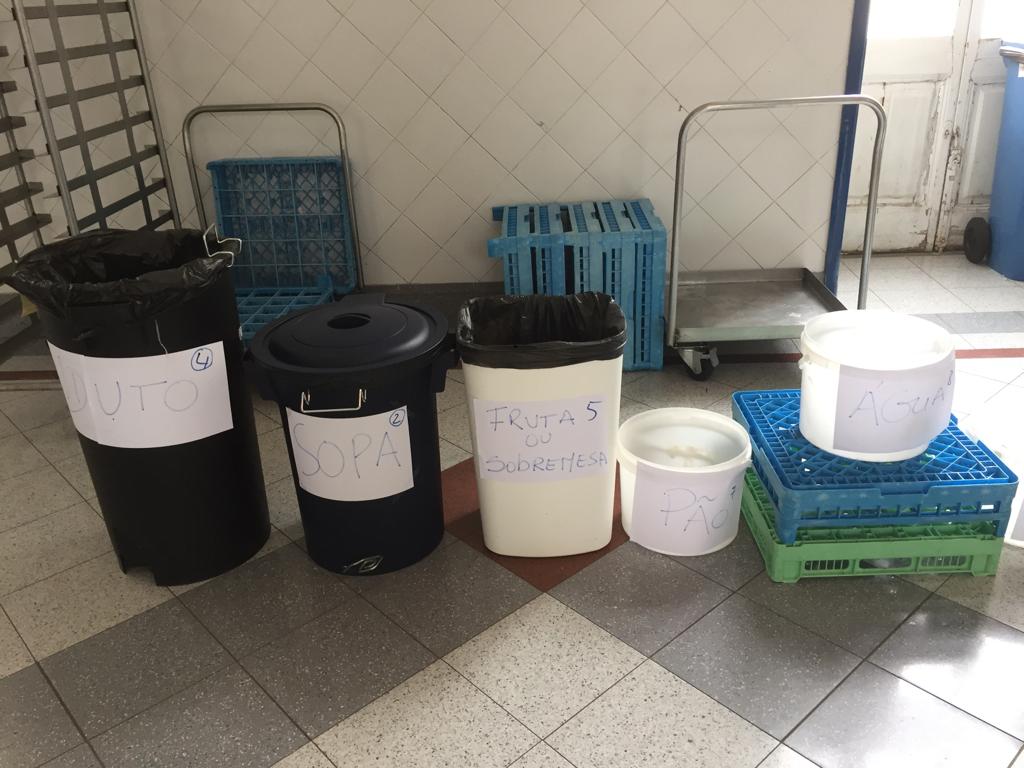
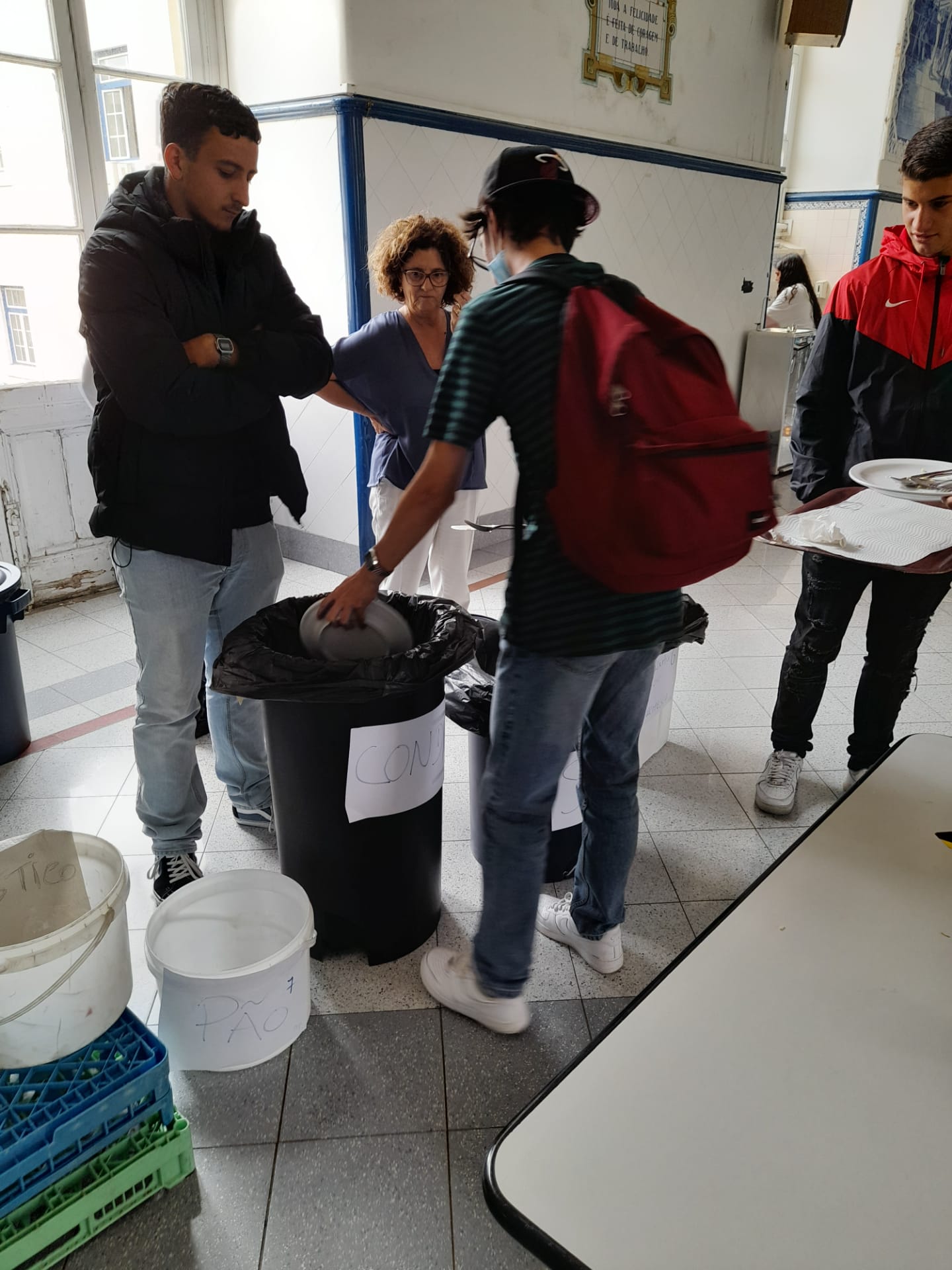
The school community's food choices. Food waste (before and after serving)
The solution
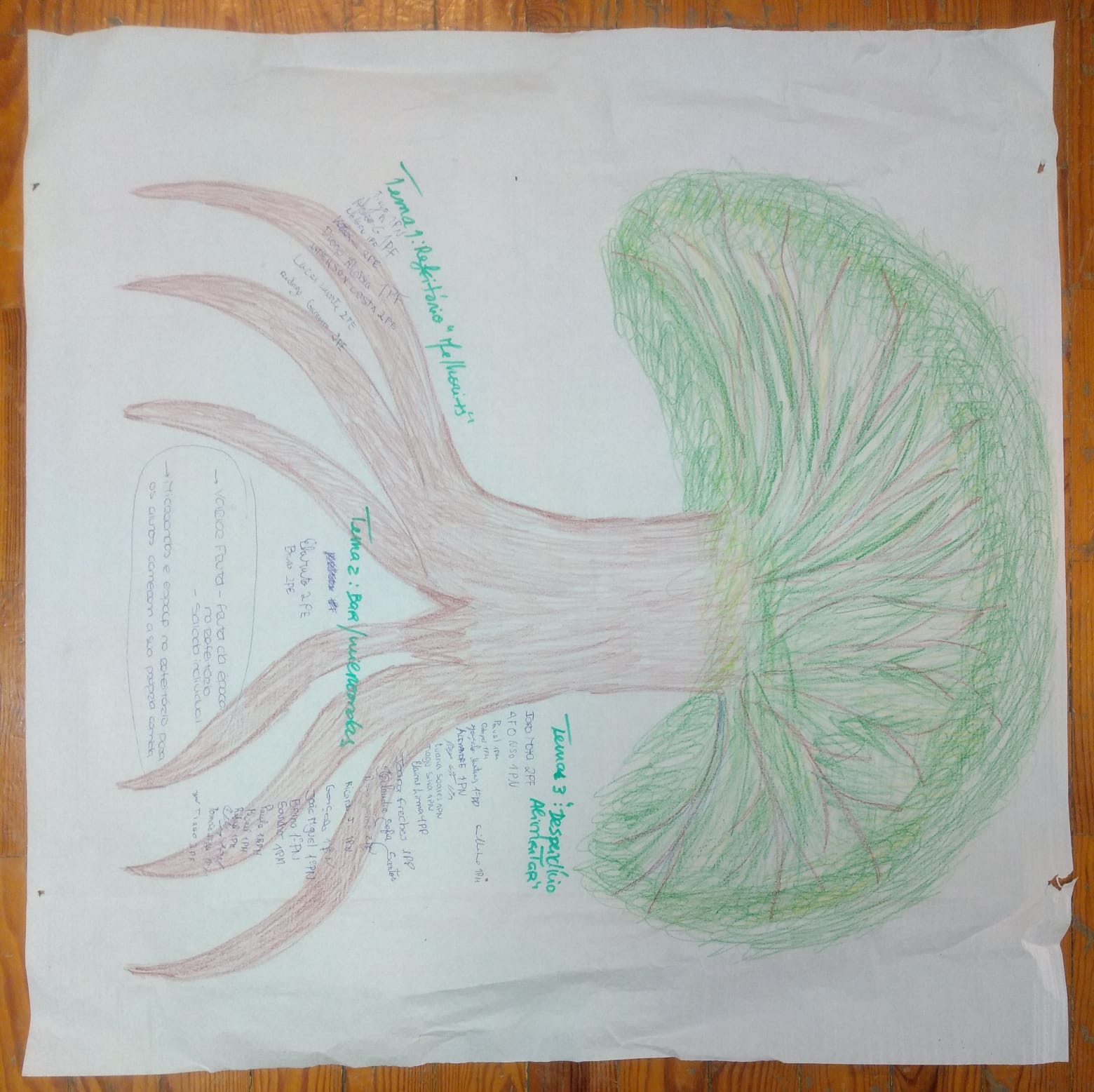
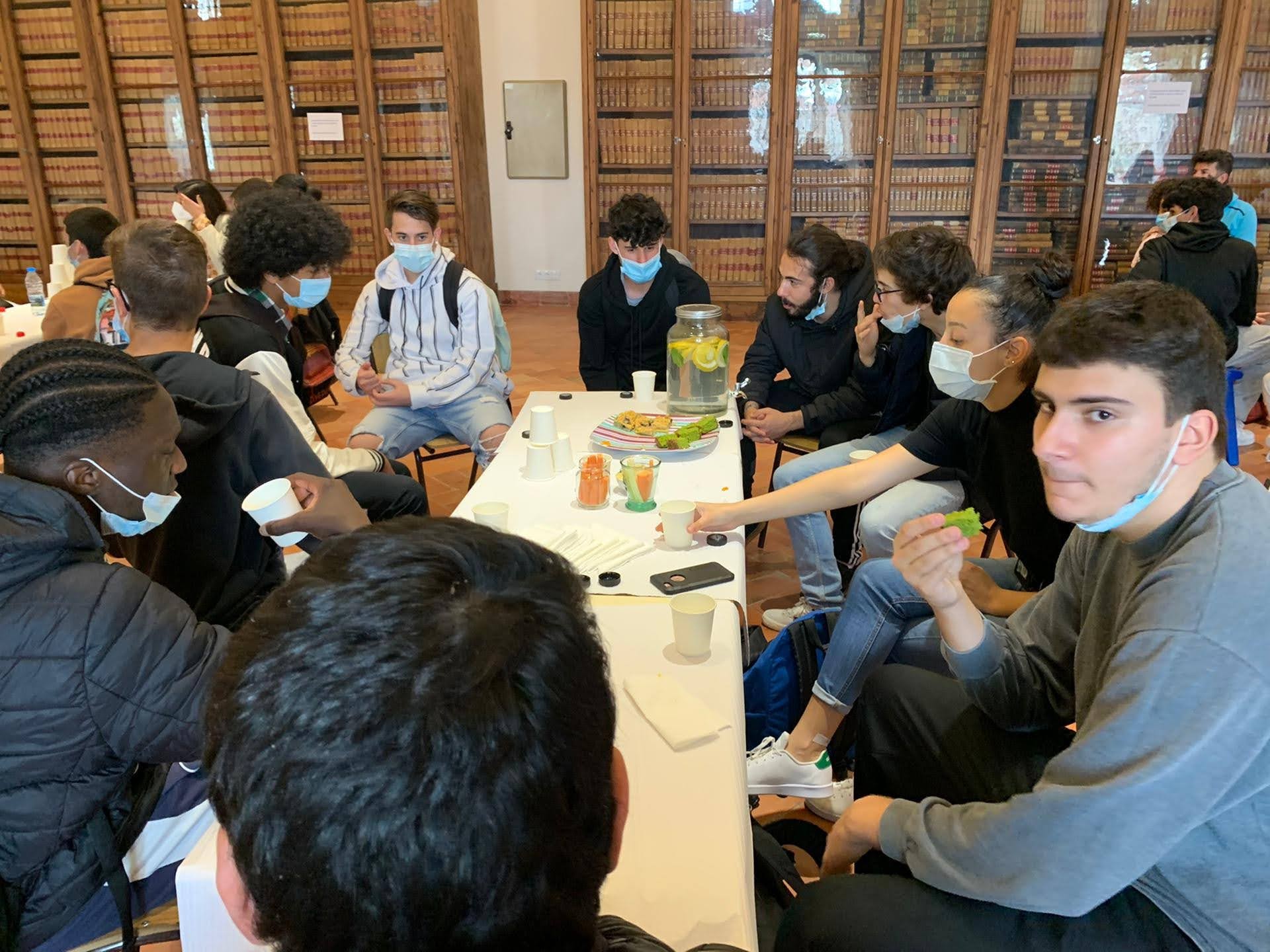
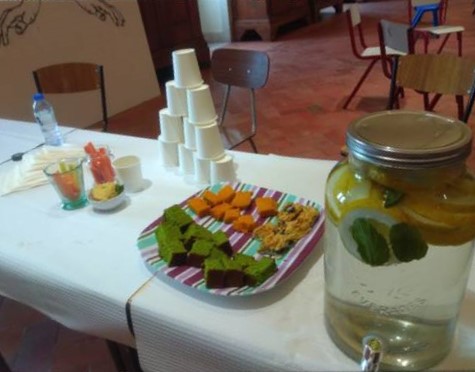
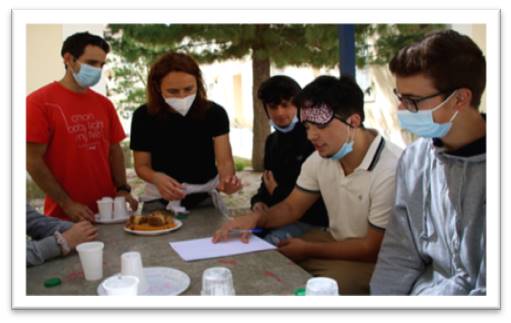
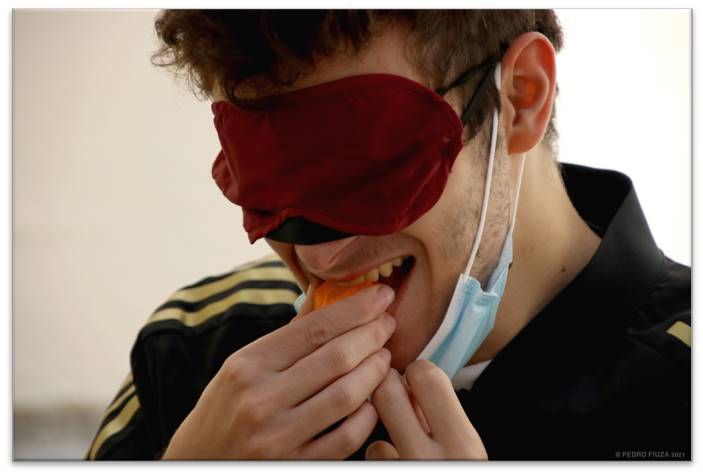
Listening to students' opinions in a world cafe format; Sensory experiences
The prototype
Involvemente families; Volunteering at the Refoof Belém; vegetable garden
The societal actors
Reffod Belém; Gertal; Junta de Freguesia Belém; Maria Granel; Cultivating Future
Hosted by SALL , contributed by catarina santos on 7 July 2022
Background
Chalhenge Yourself for Sustainability
The problem was identified by listening, first of all, to the students.
The exploration took place afterwards, through the active
 participation of the students, together with the rest of the educational
 community and partners, during the different moments of joint
interaction. Of the various solutions pointed out, it was refined
and pointed out paths.
With the decisive help of the partners, the solution was put into
 practice: it was possible, based on the training of the educational
 community and the quantification of waste, to test solutions to
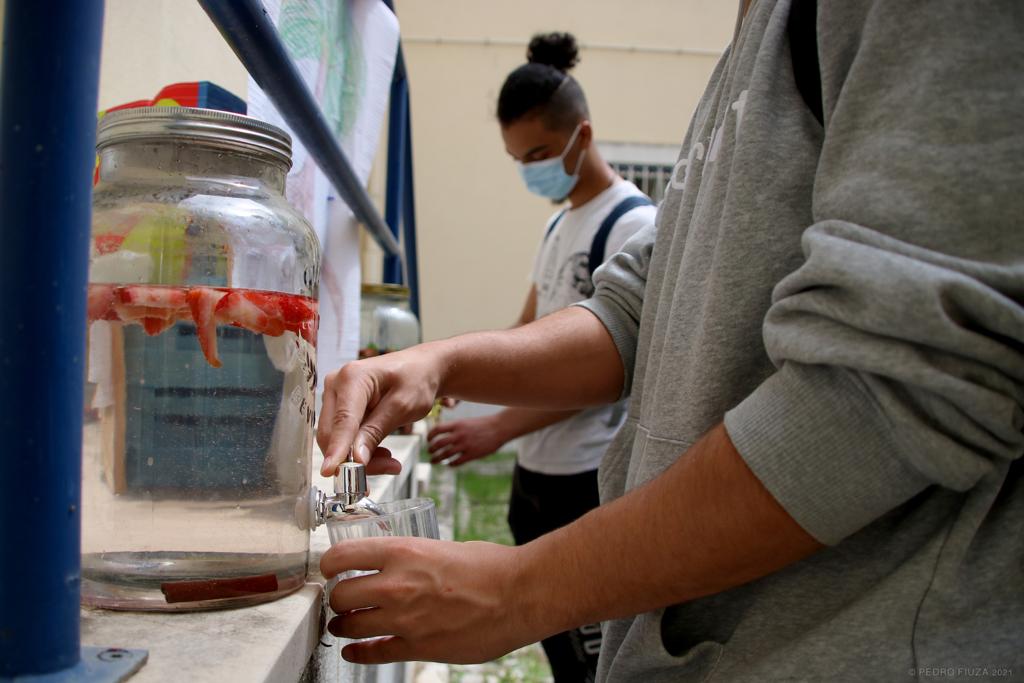
reduce packaging (especially in relation to juice and milk packages,
with testing of a dispenser and reusable cups).
From the installation of the community garden in organic mode,
it was possible to test, either a scale model for maintenance and
irrigation, or solution proposals, such as experimenting with
 channeling fresh vegetables to include in the sandwiches
at the CED PM bar.
The evaluation, which is still being concluded, taking into account
 the different dimensions covered, clearly shows how the inclusion
 of different contributions can translate into considerable added
value. It can, however, already be said that all the solutions put into
 practice and tested, proved to be effective from the point of view
of solving the identified problems. The path taken, as a living-lab,
has shown that this can be the way to lead the school to be an
effective demonstrative example that creates and implements
 sustainable solutions/models that contribute to fair and balanced
 food systems, as is so urgent.
Aim
It was decided, from the beginning, to identify the problem by
 listening to students who were motivated to participate. In a first
meeting,
 the different dimensions and issues related to food systems were
 covered, through a reflection, based on the world cafe methodology.
The students who would be the main axes of the intervention were
 thus individualized, in a collaborative way, by the group of students,
 namely:
• Take a look at the food choices of the school community;
• Raise awareness of food waste (before and after serving) in this
school community.
Co-creation with societal actors
The stakeholders/partners of the CED PM SALL project are
as follows:
• Educational Association for the Development of Creativity;
• Cultivating Futures;
• Gertal (General Company of Restaurants and Food);
• Belém Parish Council;
• Maria Granel;
• Refood Belém.
Their selection took place in an organic and natural way, as in
some cases there were already previous contacts, which made
participation natural. This was the case of Mª Granel and the
Parish Council of Belém. Gertal, being the company responsible
 for the preparation of all meals, accepted immediately and with
great availability, to participate in our meetings. Regarding the
Educational Association for the Development of Creativity and
Cultivating Futures, these two organizations had trained some
teachers. Refood Belém was the only entity with which there had
not yet been any prior contact, but as they are very much in line
with the project's objectives and their physical core is very close
to the school, their inclusion seemed very pertinent.
All participated almost from the beginning and are expected to
continue to help in the next phases.
Reflection
The development of a new approach to schools open to the community,
in which they are seen as true “living laboratories” (living-labs), and where
the active collaboration of different partners is expected to work side by side
to solve related problems
 to food systems, in their different aspects.
Futurel Plans
This project will continue next year, either by the express wish
of the students or the rest of the community, partners included.
The tested solutions need to be improved so that they become
fully effective and show themselves capable of fulfilling their
function.
There is an awareness that solutions are being sought for very different problems, but given the high number of students
motivated by the project (about 70), there is a need to form
different teams with different objectives, although complementary to each other.
Due to Covid19, with the constant fluctuation in the number of cases, since it was not allowed to carry out activities with a high number of participants and with students from different classes, some of the planned activities had to be postponed to the next academic year.