
Hosted by OSOS , contributed by maria.zambrotta on 3 July 2018
Drugs in the Water – is about Water and how we can solve a new problem caused by human behavior. We consider how it’s used and governed, which is a vital consideration for human health and well-being. The aim of the project is to design learning resources that can be used to develop students’ scientific knowledge of water education. These resources will be presented as a collection of inquiry activities in three content strands: Water and Health, Recycling Water and New Water pollution.
- Strand A: Water and Health – role of Biofilms. This strand is a fun and safe way to introduce microbiology and the associated terminology to the students.
Biofilms can be found occurring naturally forming on any surface which is moist and is exposed to bacteria. Activities introducing students to biofilms including making models of biofilm using modelling clay and gelatine, simulating the action of biofilm using modelling clay and hair gel.
- Strand B: New pollution by human drugs in superficial water: Rivers or lakes.
Activities in this strand will include the evaluation of new analytical research on the presence of human drugs in the superficial waters and the effect of it on the water envirnment.
- Strand C: Recycling Water. This strand centres on various water remediation processes.
Activities in this strand will include – comparing the effect of a drop of water (from different sources) on agar gel, using a homemade plankton (tuile fabric, coat hanger) net to harvest a stream and examine what it captured, simulating rain pollution through drains, making a simple filtering system (fabric), using sunlight and PET bottles to disinfect water.
LEARNING OBJECTIVES:
- Strand Unit: Science and the Environment - The students should be enabled to recognise and investigate aspects of human behaviour that may have positive or adverse effects on environments.
- Strand Unit: Environmental Awareness - The students should be enabled to come to appreciate the need to conserve resources: recycling of materials [...] in contrast to some plastic packaging (NCCA, 1999: 90). The students should be enabled to foster an appreciation of the ways in which people use the Earth’s resources: using [...] water (NCCA, 1999: 90)
- Strand Unit: Caring for the environment - The students should be enabled to identify and discuss a local, national or global environmental issue.
AVAILABLE PARTNERSHIP OPPORTUNITIES:
|
Families |
To explore ways to reduce water waste in the home and evaluate the use of drugs |
|
Local Communities |
To raise awareness of water consumption from a community perspective To raise awareness of the destination of plastics we throw away |
|
Water Institute Researchers |
To inform actors and provide resources for practical work and about new scientific results |
|
County Council/TD |
To involve public awareness initiatives, policymakers and public representatives |
RRI principles
One of the key aspects of OSOS is the inclusion of RRI — Responsible Research and Innovation — principles (more information at RRI-Tools.eu).
This is how this Accelerator fits into the RRI model:
|
Governance |
The experts what will be involved can propose many subject as educational activities of basic chemistry connecting to actuality studies and problems of real life. The teachers and scientists will work together to define the models of the activities and structures of meeting, for to stimulate and to make curious the students, particularly girls to scientific and technological studies and relative careers. |
|
Public Engagement |
The meetings with the scientists are necessary for to discuss directly with them about the topic of research and new application in the future for to understand the curricula necessary to arrive at same job. Then, awareness-raising became the central goal, to be achieved through concrete practices, to be participatory and appealing to students, particularly to girls. |
|
Gender equality |
The project approach consists of innovative methods of participatory research and a series of practical activities to overcome gender differences. Students will be able to contact the researchers and understand what to do to start a scientific career during the project. |
|
Science Education |
Better educational methods are necessary to convince pupils, particularly girls, of the positive intrinsic value of science and technology and the jobs associated with this field. |
|
Ethics |
Students will share responsibility as they progress through the project, respecting the integrity of research and the social values of science. They will learn that everyone (male and female) has the same skills and must have the same opportunities in respect of gender differences. |
|
Open Access |
The purpose of this educational project is to provide good ideas to bring two distant worlds, young people and S&T careers, closer in a practical way. The reader shall have the task of adapting the activities to their interlocutors and of adjusting them to their needs. All materials should be shared open and free on the Internet in the school portal, that will be created, so that they can be re-used by other people interested in the topic. |
RESOURCES NEEDED:
Chemical laboratory, Laptop
Feel
A big opportunity
Water connects every aspect of life. Access to safe water and sanitation can quickly turn problems into potential – unlocking education, work opportunities, and improved health for women, children and families across the world.
Today, 1 in 9 people lack access to safe water; 1 in 3 people lack access to a toilet. More people have a mobile phone than a toilet. We can change this. Let’s work together to make the power of water available to all.
A women's crisis
Women are disproportionately affected by the water crisis, as they are often responsible for collecting water. This takes time away from work, school and caring for family. Lack of water and sanitation lock women in a cycle of poverty.
Empowering women is critical to solving the water crisis. Involving women can make water projects 6 to 7 more times effective. When women have access to safe water, they can pursue skills outside of their traditional roles and experience greater autonomy and independence.
A health crisis
The water crisis is a health crisis. Access to safe water and sanitation means opportunity for improved health and the ability to help fight disease. Access to safe water means improved health for women and girls who no longer have to delay finding a place to go. It means reduced child and maternal mortality rates. It means increased dignity and reduced psychological stress for girls and women. It means reduced physical injury from constant lifting and carrying heavy loads of water. And it means reduced risk of rape, sexual assault and increased safety as women and girls do not have to go to remote and dangerous places to relieve themselves.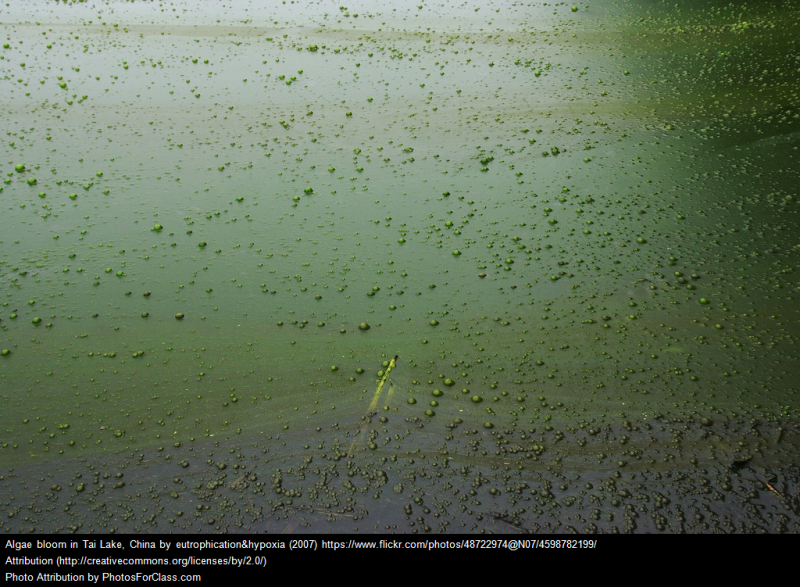
Imagine
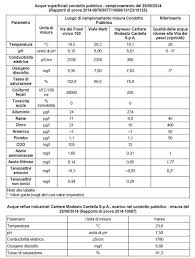
THIS IS THE LINK RELATED TO MONITORING OF WATER IN THE MUNICIPAL AREA OF TURIN
We prepare and develop this monitoring water activity
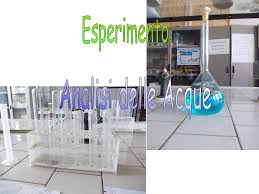
and obtain some results
Create
This is our visit to the municipal water plan. It was very interesting.
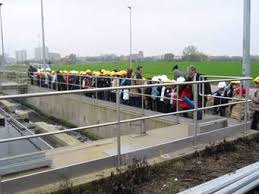
we work to create a presentation that you will find attached.
Share
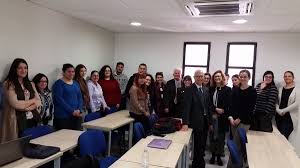 Image of our meeting with Municipal Manager.
It was very interesting discuss about the possibility to improve water quality in our city.