Hosted by OSOS , contributed by antofreitas on 25 September 2019
Veja esta atividade em Português  / Ver esta actividad en español

Do you like bees? Do you think they are important? What would happen if bees disappeared?
Well, fellow explorer, today you are going to become a scientist researching on one of the most important contemporary science research problems. Although we are used to seeing people run away from bees or associate them with the sweet tasting wonderful food we call honey, bees are so much more than that. Do you know why? Embark on this journey, play a fun game, enrol in an interactive research platform, collaborate with your community and with colleagues from different countries and you will become an expert and a very important change maker in the world. Bees will thank you … and humanity as well!
Let's start the adventure?
Information for the teacher:
This accelerator was created in the framework of the project - IDiverSE (Islands Diversity for Science Education - 2017-1-PT01-KA201-035919), co-financed by the Erasmus+ agency of the European Union).

The texts are writen direcly for the students and in a language that students will understand. Teachers are invited to explore it, copy it and edit whatever they feel necessary before they share it with their students. Specific guidelines were added to the four phases, where teachers can read the full content of the accelerator.
Supporting documents and translations to other languages can be found through the following link: http://idiverse.eu/bees-for-the-future/
For any aditional info on this accelerator, please contact info@idiverse.eu.
Learning objectives
Students will contact the scientific method in an Inquiry-Based activity that will lead them to learn important concepts such as sustainability, ecosystems, Biodiversity and protection of the web-of-life. From there, they will dive deep into the contemporary problem around bees, discovering the causes of the problem as well as solutions that can be implemented in their communities.
While going through this project, students will develop fundamental skills such as problem solving, critical thinking, communication, creativity and collaboration. They will also develop other important skills such as tolerance and respect since they will be collaborating with students from different cultures and different environments.
Furthermore, students will be called into gaining awareness for very important environmental issues of this century.
Opportunities to collaborate with stakeholders
Students will be challenged to interview, discuss and collaborate with different experts on the field such as beekeepers, farmers, scientists, environmental experts, etc. Teachers should allow students to invite experts to their school, to collaborate in their creations as well as family members and any other important stakeholders.
More specificaly:
1 - In the Feel phase, students will use a collaborative platform to collect data from their community and compare it with data from other communities. For this, they will go out in their towns and interview community members but also choose some important experts on the field to interview them as well about the problem at hands.
2 - In the Imagine phase, students will be advised into bringing the problem to their families and have important discussions about the causes and solutions to the problem at hands. Teachers will be advised to allow students to choose a field trip to an expert (stakeholder) of their choice such as a University working on the field, a beekepeer facility or any other important stakeholder of their choice. In this same phase, students will be encouraged to invite important stakeholders to their schools, to discuss about solutions for the problem.
3- In the Create phase, students will be encouraged to collaborate with their families, community members and important stakeholders in their creations, making them more effective and a co-creation product.
4 - In the Share phase, students will reach out to the whole community to share their work, including important stakeholder entities who can reinforce the change-making progress.
Responsible Research and Innovation
One of the key aspects of OSOS is the inclusion of RRI - Responsible Research and Innovation - principles (RRI-Tools.eu). This is how this accelerator fits in the RRI model:
|
Governance |
This accelerator is based on a fundamental key point which is to teach students what science is and how to make a valid and respectful science research. It highlights the fact that science needs to be shared in order to be valid, it needs to be transparent and collaborative so as to contribute to the development of our society. In this project, students reflect with the community on the problem and will co-create possible solutions sharing, in the end, all their work, including their research process. Furthermore, students will share their results and conclusions with other communities in islands worldwide, through a platform called globallab and through the collaboration between their teachers. |
|
Public engagement |
Students will interview their communities as well as important stakeholders, i.e., experts in the problem they are working on. After collecting their data, students will discuss with their parents, other family members, friends, community, etc, about possible effective and applicable solutions to the problem in their islands. The whole activity will focus on the engagement of students with their community so as to take into account their real needs when solving a problem. |
|
Gender Equality
|
The problematic involved in this project is transversal for all humans in the world, regardless of their gender. At no moment, the gender of the students will be asked or relevant. On the resources created for the teachers advise is given in order to provide equal opportunities, not only for both genders but also among all the different personalities. In the guidelines given to the students an effort is made to use both male and female role models as inspiration, as well as male and female icons and individuals in pictures. Teacher are also advised to find experts of all genders and invite them to work with their students. |
|
Science Education |
Students will be engaged in Inquiry-Based activities that will lead them through the scientific method and reasoning. It is expected that after creating their projects, students will have understood what science is and how scientific knowledge can be obtained and communicated. In addition, this project focuses on one important contemporary science topic which is the protection of bees and the maintenance of ecosystems and biodiversity. By working with the community and sharing their work in the end, students will bring science education to their community as well as awareness for important scientific questions. |
|
Ethics |
In this project it is emphasized that we are responsible for our actions and for the world that surrounds us. The concept of ecosystem is not only important in a Biology class but as well as in any other class. We are an integrating part of any ecosystem, including our family, community, country (or in this case, island). As such, during the project students will understand that cooperating and collaborating is a much more valuable effort than competing, and that knowledge and good ideas should be used in an ethical way and shared with others. When in collaboration, Scientists can overcome nearly any obstacle and provide what is necessary for a safe, developing and growing society |
|
Open Access |
After finishing their research, students will share all their work with the community, providing a fully open access to their data and conclusions. |
Feel
1.Gostas de abelhas?
Sim
2. Achas que elas são importantes?
As abelhas são importantes para a polinização, alimentação entre outros. Contribuindo para a biodiversidade do planeta pois enriquece paisagens e jardins. A vida das abelhas é crucial para o planeta e para o equilíbrio dos ecossistemas.
3. O que aconteceria se desperecessem?
A função principal, ou mais explorada, das abelhas é a da polinização. Isto significa que sem abelhas não haveria frutos silvestres, tomates, abacates, couves, maçãs, amêndoas, laranjas, entre muitos, muitos outros alimentos. Se não houver abelhas, não se dá 80% da polinização, não haverá alimentos para grande parte dos pássaros, insetos e outros animais, toda a cadeia alimentar sofre, os animais morrem. O ecossistema fica destruído. Além disso, as abelhas contribuem em muito para a biodiversidade no planeta.
4. Você acha que poderíamos viver em um mundo sem abelhas?
Não pois o ecossistema ia ficar destruído como já foi explicado na resposta anterior e nós acabaríamos por sofrer também.
5. Você jogou o jogo da “Teia da vida”? Onde? Quando? Como? Com quem?
Sim jogamos. Na escola, durante a aula. Com um fio de rafia e cada um de nós tinha um papel com um animal escrito ou um bem essencial (agua, solo e sol). Com a turma e professora Conceição Campanário e professor António Freitas.
6. O que você acha?
Achámos bastante interessante e igualmente divertido. Ficamos a perceber melhor as ligações que o ecossistema contém.
7. Sua opinião sobre as abelhas mudou até agora?
Sim, pois no início não achava as abelhas assim tão importantes para a nossa vida e para a biodiversidade mas com a ajuda do projeto e do jogo “Teia da vida” ficámos a perceber que as abelhas são realmente importantes na nossa vida.
8. Você tem novas ideias sobre como seria um mundo sem abelhas?
Seria um mundo menos “rico” em relação à biodiversidade e ao ecossistema.
9. Você sabia que as abelhas estão de facto a desaparecer? Como soube?
Sim sabíamos. Através de noticias e foi reforçada a ideia nas aulas.
10. Você pode entender o porque agora?
Estão a desaparecer por causa da utilização de pragas e uso de pesticidas e por causa da monocultura e o manejo inadequado das colmeias por parte dos criadores.
11. Atividade na sala de aula. O que as abelhas nos dão?/ O que damos às abelhas?
O que as abelhas nos dão?
Vida; Alimento; Mel; Emprego; Agricultura; Polinização; Alergias; Apicultura; Medicina; Regulariza o ecossistema.
O que damos às abelhas?
Abrigo; Morte; Exploração; Poluição; Queimas; Desflorestação; Inseticidas.
12. Quantas respostas sua turma encontrou para cada uma das perguntas?
Para a primeira pergunta encontramos 10 respostas e na segunda pergunta encontramos 7 respostas.
13. Você poderia descobrir pelo menos três coisas diferentes que as abelhas nos dão?
Cera, própolis
14 – Quantas coisas a sua turma considerou que nós, humanos, damos às abelhas?
A nossa turma considerou 7 coisas que damos às abelhas.
15 – Você acha que é um relacionamento justo até agora?
Não, pois as abelhas dão-nos muito mais coisas comparativamente as coisas que nos damos às mesmas.
16 – O que as abelhas fazem?
As abelhas fazem a polinização, produzem mel, contribuem para a reprodução das plantas.
17 – Pense em todos aqueles momentos em que você viu uma abelha voando… o que estava fazendo?
Nos momentos que víamos as abelhas tentávamos afugenta-las de modo a que não nos picassem. As abelhas estavam a procura de local para polinizar contribuindo para o enriquecimento do ecossistema.
18 – Mas por que nos preocupamos tanto com a reprodução das plantas?
Porque todo organismo precisa se reproduzir, caso contrário, haveria o desaparecimento de muitas espécies de organismos, e a vida na Terra estaria seriamente comprometida.
19 – Bem, pense no que você come… de onde vem sua comida?
Muitas das comidas provem da existência das abelhas e das plantas e graças as mesmas temos determinados alimentos que consumimos no dia-a-dia tais como frutos e mel.
20 – O que você comeria se as plantas parassem de crescer?
Comeríamos muita pouca coisa pois praticamente todos os alimentos são produzidos através de plantas e sem as mesmas ficaríamos sem o que comer.
21 – Você está pensando em carne? Se você come carne do sente que está a salvo desse problema, certo?
Não, pois a carne é proveniente de animais tais como a vaca, e os mesmos para se desenvolverem e para nos darem a possibilidade de comer carne, têm de se alimentar. A alimentação destes animais baseia-se na vegetação, ou seja, se as plantas parassem de crescer os animais também deixariam de se alimentar e consequentemente morreriam. Por isso a carne não estaria a salvo na alimentação sem a produção de plantas.
22 – Mas… de onde vêm a sua carne? Um animal? Hm… e o que esse animal come?
Pergunta respondida na pergunta anterior.
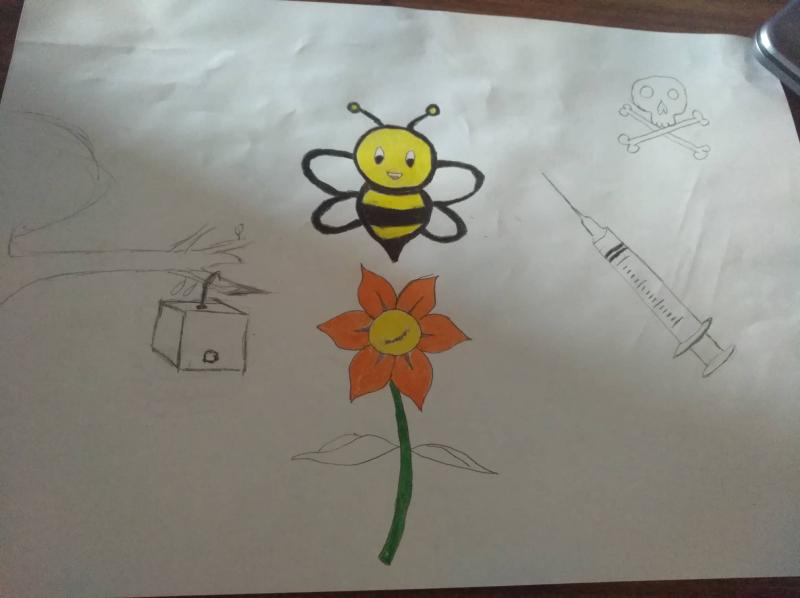
23 – Completar o ultimo desenho e com base agora no que já aprenderam e depois de concluído, tirar + uma fotografia e fazer novamente upload.
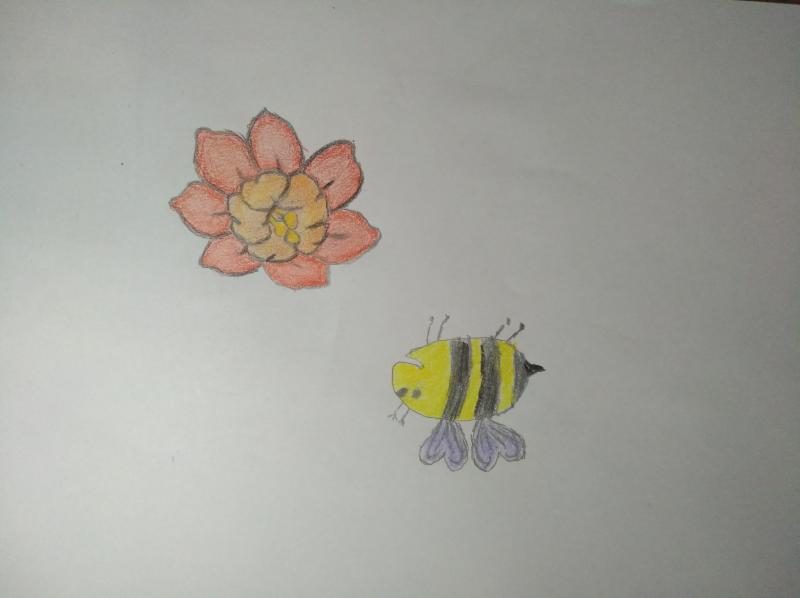
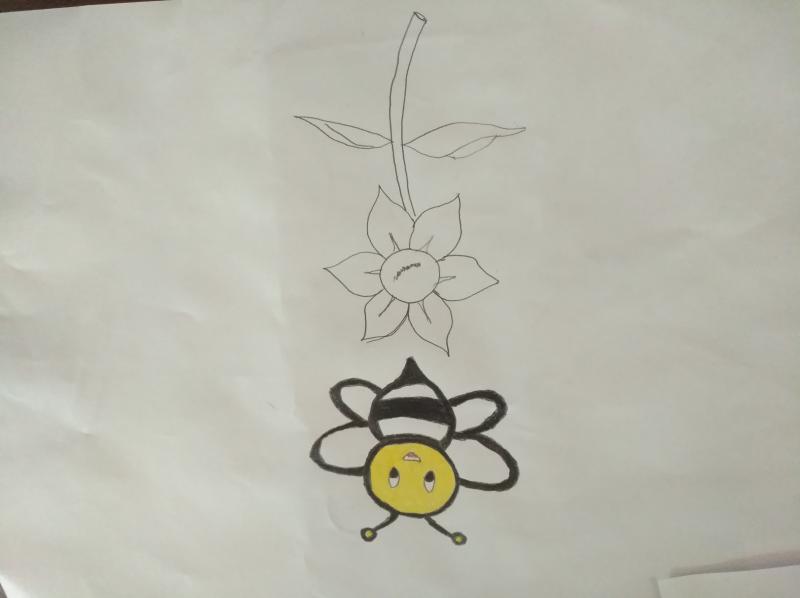
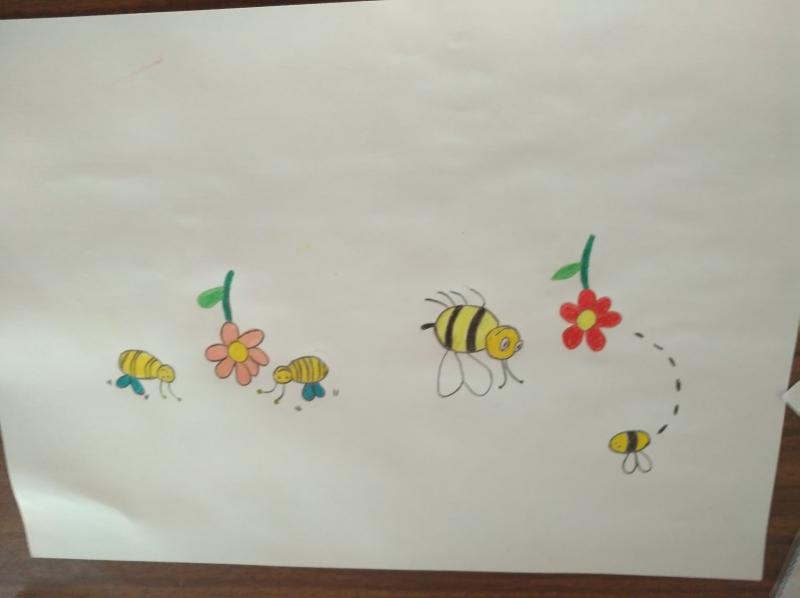
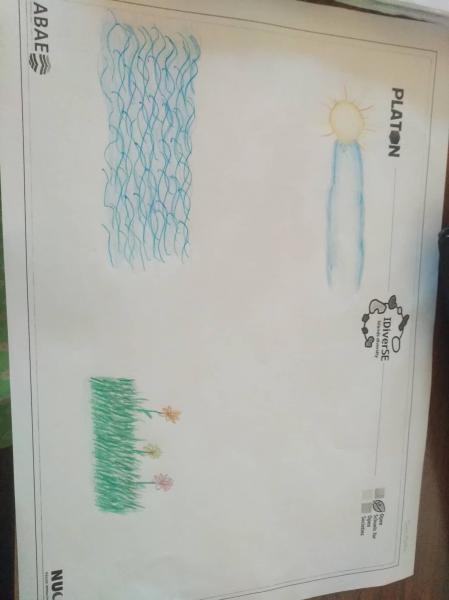
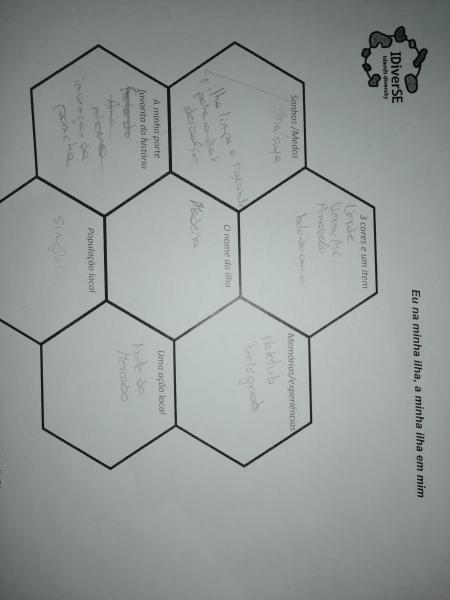
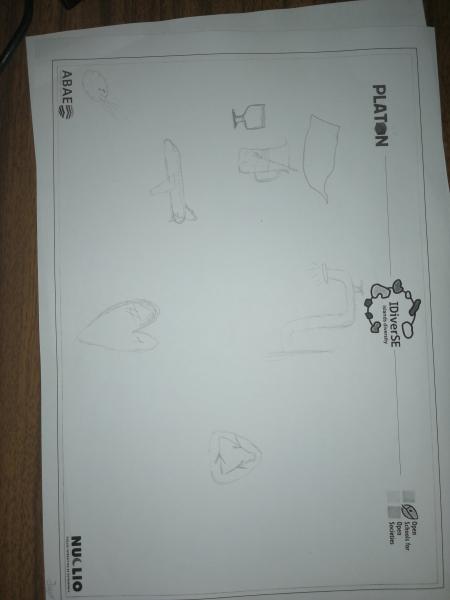
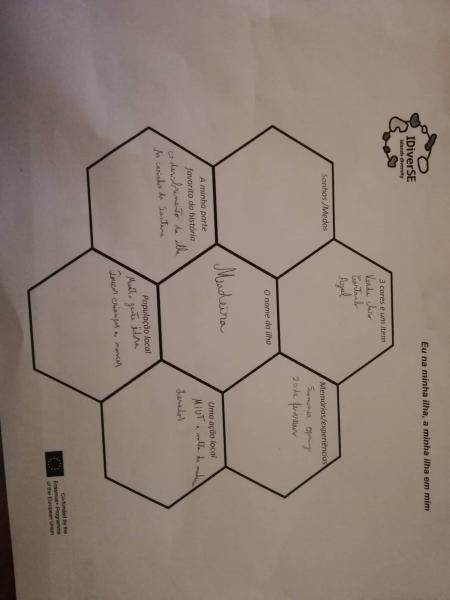
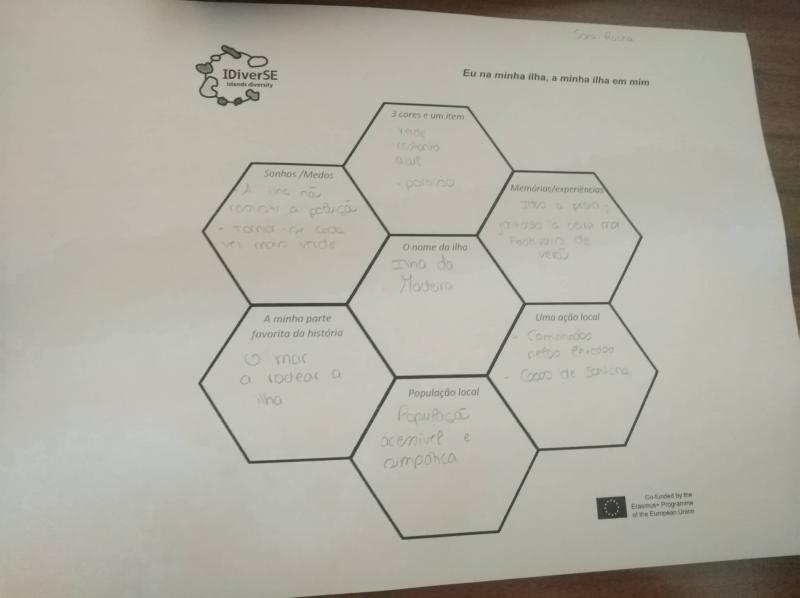
24 – Olhe novamente para a parede com os post-its e para o seu desenho. Que conclusões você chega?
Chegamos à conclusão que as abelhas são mais importantes para a vida humana e para a teia da vida do que pensávamos. Chegamos também à conclusão que as abelhas dão mais coisas aos humanos do que nós humanos damos às abelhas.
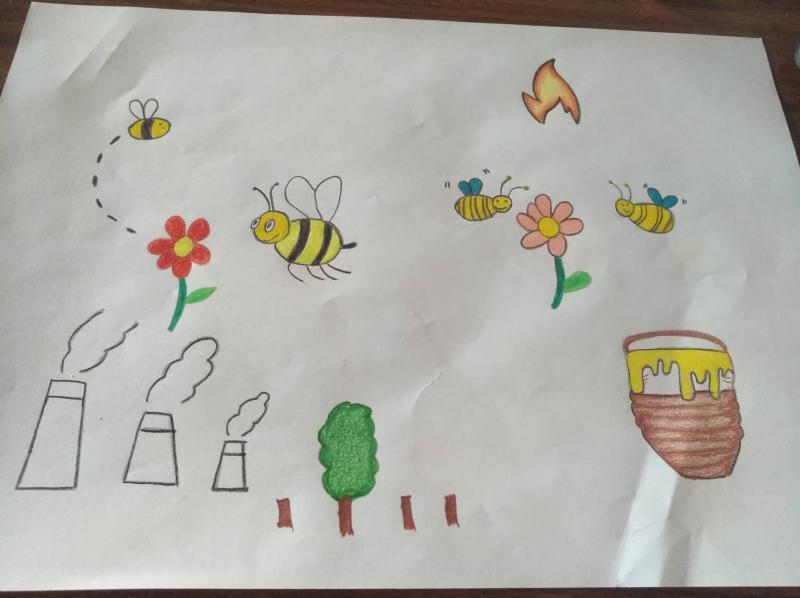
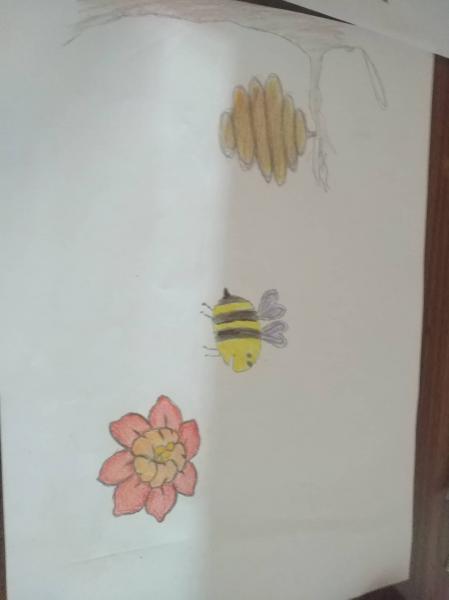
Descobrindo a comunidade - local e global
1-As abelhas estão aumentando, diminuindo ou não sofrendo nenhuma mudança em sua ilha?
Estão a dimunir devido ao uso de insectcidas nos campos de agricultura convencional espalhadas pela nossa ilha.
2-Como sua comunidade está se comportando em relação às abelhas?
Não tem feito nada sobre o assunto, embora já tenha havido queixas dos apicultores para uma melhor vistoria nos campos de cultivo para evitar o uso indevido de substâncias quimicas nas plantas.
3-Sua comunidade está ciente do problema que as abelhas estão enfrentando?
Não pois as pessoas continuam a agir da mesma maneira, o que prejudica e mata as abelhas.
4 (1ª pergunta do grupo)- Mas o que está a provocar a morte das abelhas?
As principais causas da extinção das colónias mundiais da abelhas são:
- Agricultura intensiva, desmatamaneto e queimadas;
- Uso excessivo de pesticidas, agroquímicas;
- Poluição atmosférica e alterações climáticas;
- Introdução de espécies de abelhas de diferentes localizações;
- Culturas geneticamente modificadas e défice nutricional nas abelhas;
- Extensas áreas dedicadas a uma só cultura (monocultura);
- Más condições de manutenção de colmeias por apicultores amadores.
5 (2ª pergunta do grupo) - O que se pode fazer?
- Não usar pesticidas e optar por produtos biológicos em todas as áreas de consumo;
- Adotar um estilo de vida menos poluente e mais ecológico, promovendo a biodiversidade, sustentabilidade, atenuando as alterações climáticas que já se fazem sentir;
- Garantir a diversidade de plantas caso tenha um jardim e colocar um recipiente com água para que as abelhas se sirvam e para que possam construir casas que possam usar.
- No caso de não ter jardim próprio é bom participar em iniciativas de promoção dos espaços verdes nas cidades.
-> A população da Madeira, de acordo com a entrevista que o nosso grupo fez ao cidadão comum, não está conscializada dos problemas que as abelhas estam a passar neste momento. Embora saibam que as mesmas são importantes para a vida e as consequências que acabariam por aparecer. Basiando-se na entrevista, a comunidade local vê menos abelhas agora do que há 10 anos atras.
Imagine
Foi elaborada uma visita de estudo ao local de trabalho de um apicultor localizado na Ponta do Sol, para fins de entendimento ou problema de desaparecimento das abelhas e compreender melhor sua importância para a vida em geral.
A turma assistiu a uma palestra / oficina denominada "A Importância das Abelhas no Mundo e Produtos da Colméia", no intuito de ficarmos hospedados nos produtos provedores das abelhas, orientados pelo Dr. António Pimenta.
Perguntas a cidadãos comuns:
1. Sabia que as abelhas estão desaparecidas? Sim sabia.
2. sabe qual é a importância das abelhas para a vida em geral? Mais ou menos, sabe que você pode obter polinização de flores e sem equilíbrio dos ecossistemas.
3. Estaria disposto a mudar seus hábitos / executar para salvar as abelhas? Talvez, mudaria algumas coisas.
3,1 o que faria? Deixaria de poluir tanto o ambiente e plantar mais flores nativas nos jardins.
ANALISE DAS RESPOSTAS
Tendo em conta estas respostas, é notável uma breve noção do problema real das abelhas, pelo que o entrevistado estraia até disposto a alterar alguns dos seus desempenhos.


Create
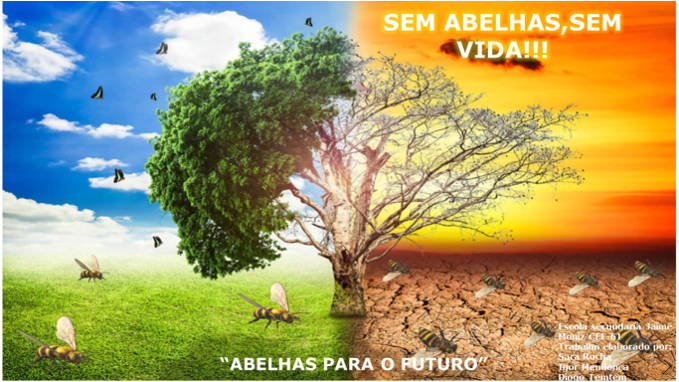
O grupo criou um cartaz para sensibilizar a comunidade local no sentido de proteger as abelhas. O nosso objetivo é propor à entidades responsáveis, como por exemplo, Câmara Municipal para, governo regional, divulgar o cartaz em paragens de transportes públicos da cidade.