Hosted by OSOS , contributed by Cristina C. on 31 May 2023
The goal of the project is to integrate STEAM skills in the village school as well, not just in the city! We want to reduce the gap between young people from rural areas and those from urban areas, and this can best be achieved through education. Therefore, our project proposes the creation of SmartLab, a laboratory in our school equipped with laptops, a seismograph and educational kits that will allow us to start a STEAM circle, with a number of 15 students in the first phase of the project. Our goals are to:
- empower students in getting involved in school activities that are adapted to the modern way of teaching and that stimulate their interest for school topics, as they will be connected with the realities they meet outside the school.
- equip the SmartLab laboratory with the necessary digital equipment, offering teachers and students opportunities to participate in training and development programs in order to develop their digital skills and create cross-curricular activities with the use of technology.
- Strengthen the role and profile of teachers by proposing pedagogical innovative practices, encouraging collaboration and offering access to training and new digital materials.
- Enhance both teachers’ and learners’ scientific and digital literacy and highlight aspects of citizen seismology and interdisciplinary learning that is highly effective in science education, as well as focus on topics such as civil protection, citizenship, civil responsibility.
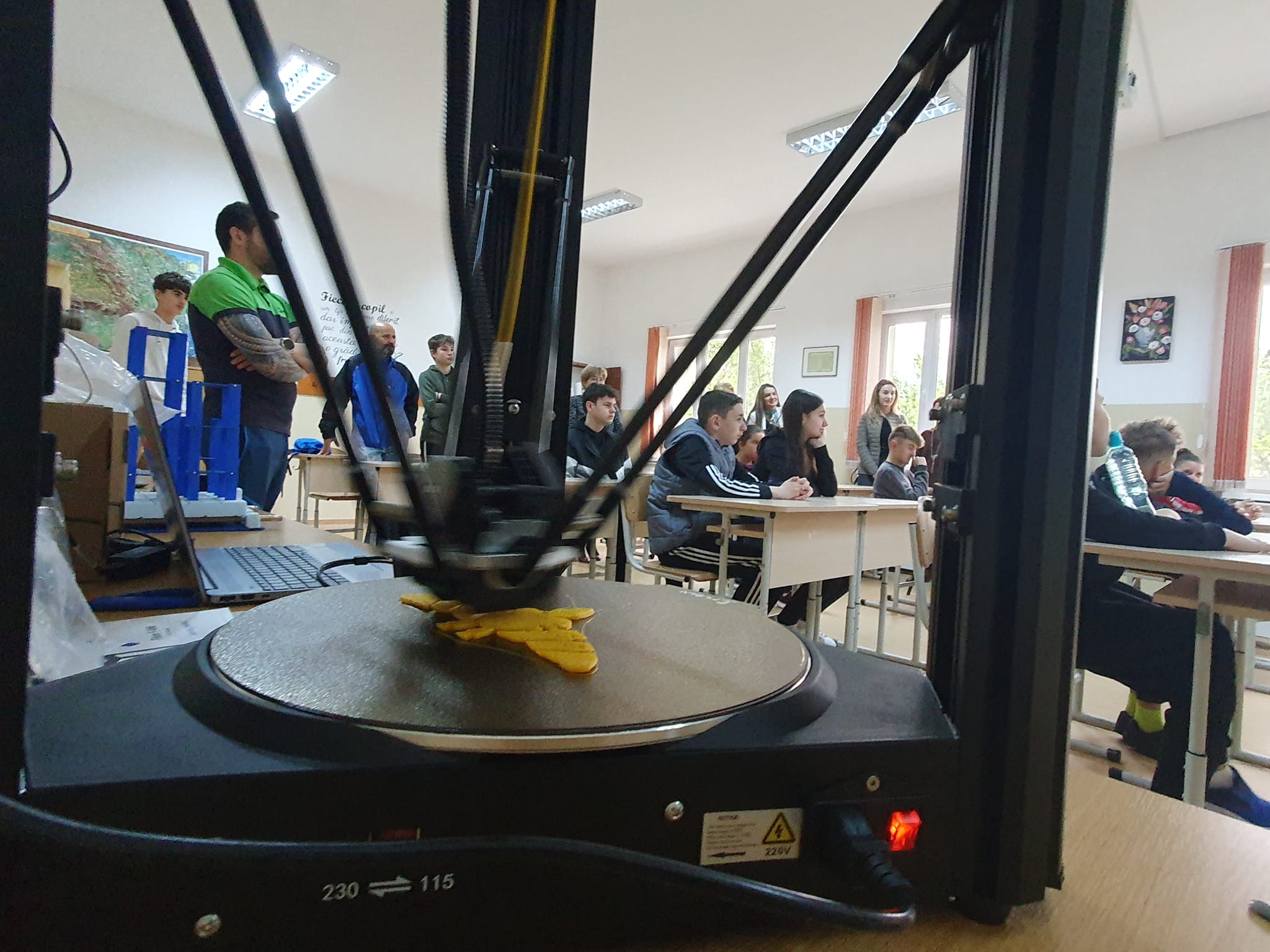
Thanks to the LfE funding, we equipped our SmartLab with laptops for our students, an interactive board with educational software and a 3D printer. During their free or study periods, our students can now use the tools and materials to create projects based on their interests or things they're currently studying in class. In regards to the impact of the project on students, they have manifested curiosity and interest for utilizing the equipment, and have attempted to realize 3D models. The students have collaborated with the teachers, exchanging information about the use of resources. In our SmartLab, students and teachers also have access to 3D printing technology that allows them to produce physical objects they can use in various school subjects and projects. In addition, by developing their 3D models, students cultivate their creative thinking and problem-solving skills.
As for the collaboration with the local community, our project has raised the interest of the local authorities. During the interactive activity with the 3D printer, local authorities such as representatives from the Town Hall, Geoparc and teachers from local schools were present. The local partners, as well as a school from a neighboring city have expressed interest in using our 3D printer for future projects which will benefit the local community.
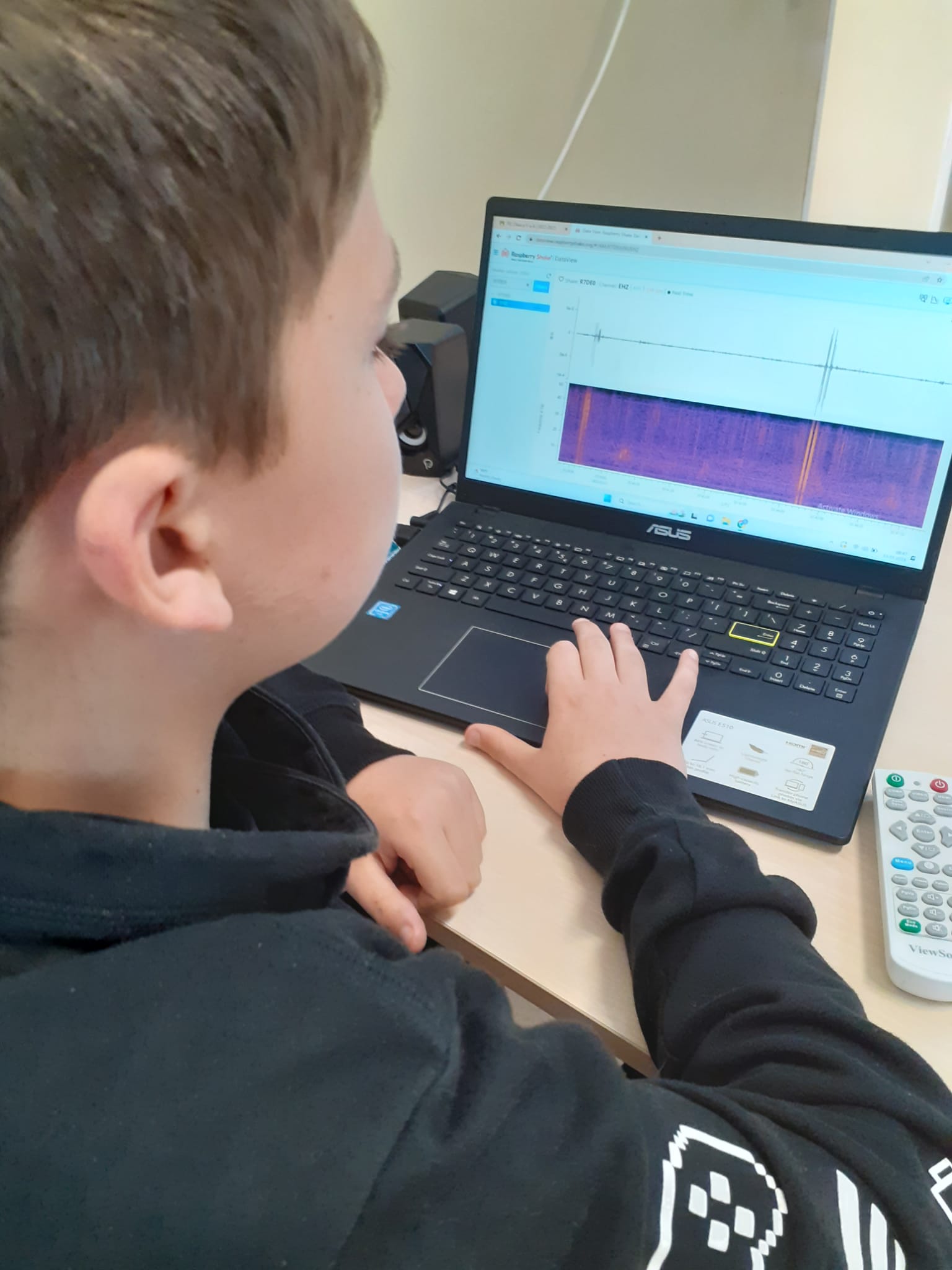
However, the 3D printer is not the only piece of equipment in our lab that benefits the community. Following the installment of the seismometer in our school in April, it has seen extensive use among students. The seismometer was used during courses, and the students had the opportunity to interpret data, aided by the teachers. We also maintain contact with the local authorities, as 3 representatives of the Town Hall will constantly receive information about the seismometer recordings and will collaborate frequently on the line of emergency situation prevention.
Școala Gimnazială Sîntămăria-Orlea (Sîntămaria-Orlea Middle School)
contact: scoalasantamaria@gmail.com
Feel
Guidelines
The school, as well as the local community, are in an area with seismic activity. As there is no official curriculum on this type of education, students are encouraged to explore the context of earthquakes from a historic and cultural perspective, understand the impact it has on the community and how to become responsible citizens.
Description
During our lessons, we have looked up information about major earthquakes in our country.

Educational networks such as EduGeoparc Network, UNESCO International Geopark Țara Hațegului, EduGeoparc Science School, RoEduSeis network, the National Institute of Research and Development for Earth Physics.
Use of educational platforms such as EduMed and TectoGlob.
Imagine
Guidelines
Students imagine and discuss various scenarios in which an earthquake will affect their local community. The students take into consideration aspects such as intensity, depth, terrain shape and elevation, access to public roads and distance to the closest emergency center. Based on these information, the students use the seismometer to record seismic activity.
Description
We live in different villages, with different conditions and access to utilities (roads, hospitals, etc). We wanted to see how an earthquake would affect every village, so we used the seismometer.
Create
Guidelines
Using the equipment at their disposal, students can also access databases and view live recordings, and attempt to predict the impact of an earthquake according to their various scenarios. The students collect data from the seismometer installed in our school, and create a list of potential threats which might occur during and after the earthquake.
Description
We used the seismometer to monitor the activity in the area.