Hosted by OSOS , contributed by maria.zambrotta on 24 January 2019
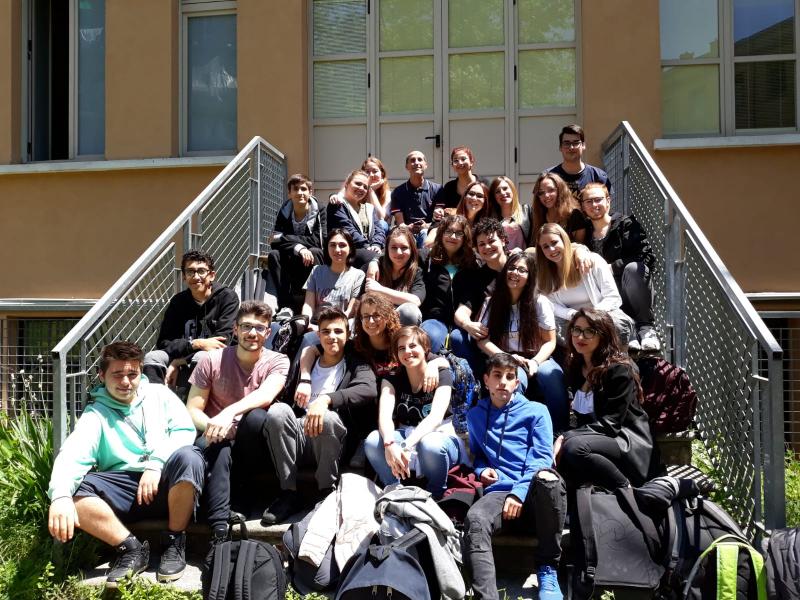
Two weeks as a chemist” is a project developed for 80 students of 16 years old from the Secondary School Santorre di Santarosa (Turin). It has seen the collaboration of the University of Turin (degree course in Pharmacy), Municipal Pharmacies of the City of Turin, and private companies. The project aims to increase students’ motivation and interest in science, to promote collaboration between schools and local stakeholders and to encourage the sharing of experience in teaching science, including the use of new methodologies in the classroom and the contextualization of STEM teaching.The sector related to technologies for life sciences is an innovative and constantly expanding sector, in our territory there are several avant-garde realities. Very often, however, students do not know these realities and it is the school's task to help them interface with the productive sector and develop integration paths that allow them to acquire more professional skills and make increasingly informed future choices. The school with this project involves different stakeholder in the educational path.
Developing
The involvement of the territory in the educational path will be developed through the following actions:
The business partners
complete the final evaluation
The teachers
Partner
MUNICIPAL PHARMACIES, UNIVERSITY OF TURIN, Pharmaceutical Company.
Maria Zambrotta, IIS Santorre di Santarosa, Torino
Усещам
PROGETTO OSOS
What do we know about the sector?

At the beginning we didn’t use to know what working in a chemistry, and above all in a warehouse, meant. We had only experienced the costumer-pharmacist relationship.
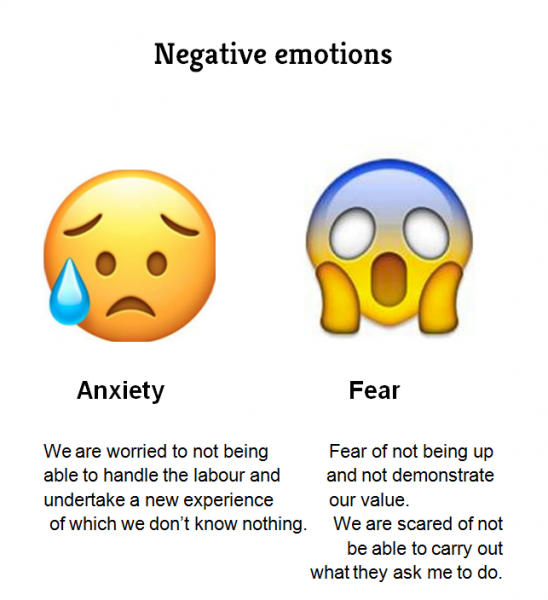
As a consequence we didn’t know what to expect from this experience. Fortunately we didn’t arrive totally unprepared, thanks to the lectures at school. Anyway some of us were scared and anxious.
How are medicines produced?
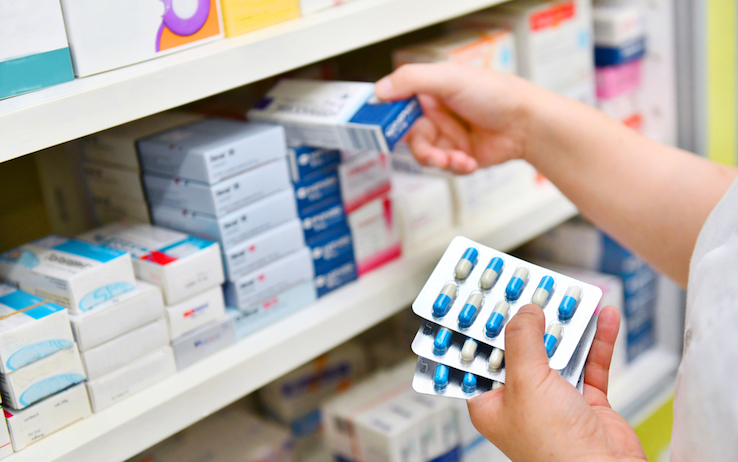
They taught us what happens to the drugs before they are sold. They test them on mice because they are cheaper than other animals and the amount of medicine used is very small. Then they try the medicine on animal cells and in the end, they try it on people that candidate to test the new therapy. The trial consists in many long and expensive phases. Sometimes a particular drug doesn’t pass the test. The fault of this failure is the first phase called level 0 (the preclinical experimentation). Then the clinical trial starts and it’s divided in 3 specific parts: step 1, clinical pharmacology; step 2, efficacy study phase; step 3, multicentre study.
How are drugs classified?
The drugs we buy are divided into different categories:
Class A medicinal products:
Medicines that are essential to stay alive. They are free for citizien
Medicines of class C:
The citizens support the full cost of these medicines and a prescription is required.
In this class we find those medicines that can be sold without a prescription, and they are divided into:
SOP: medicine that can be sold without a prescription and usually they are recommended by your family doctor or pharmacist when necessary.
OTC: “over-the-counter drugs” that are used for self-medication. Citizens can buy them freely in a pharmacy
Equivalent medicinal products:
The equivalent medicinal product has the same pharmacological and therapeutic characteristics as the medicinal product “of brand” which is already on the market and is no longer protected by patent.
Homeopathy:
It is an alternative practice based on the assumption of natural medicinal products obtained from plants.
Представете си
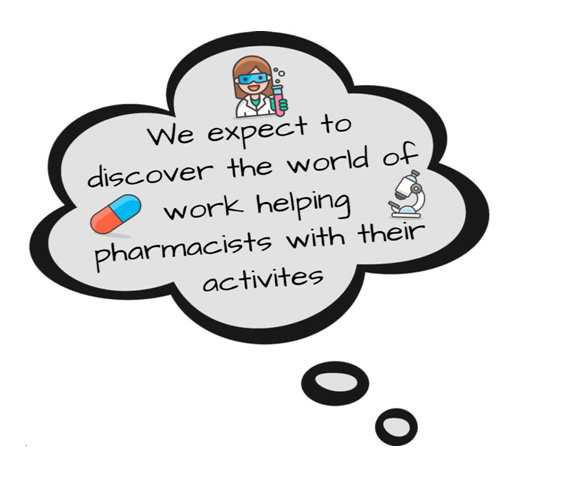
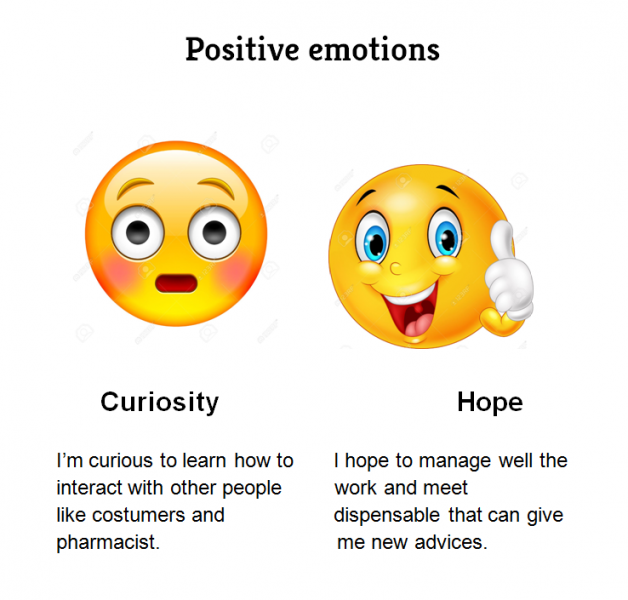
Our feelings about this new adventure:
Two weeks as chemist!
Създавайте
I think that my experience as a chemist was an experience I will remember forever: I was catapulted in the world of work and in my opinion it was very instructive because it taught me a lot of things about pharmaceutical scope and it also taught me the importance of kindly, patience, rigor and the respect of work times.
Team-work is essential: you need to communicate and your work can integrate the others' work.
On my first day as a chemist I was anxious and frightened, because I had never worked in a pharmacy before, but when I arrived the other chemists gave me something to do and taught me a lot of things without leave me only to watch; I registered some chemicals and I put them on their own drawers and I also could call other pharmacies for the transport of some chemicals. I could also stay near a chemist while he was doing some activities.
Finally I think that everyone should make an experience like this because it can teach you a lot.
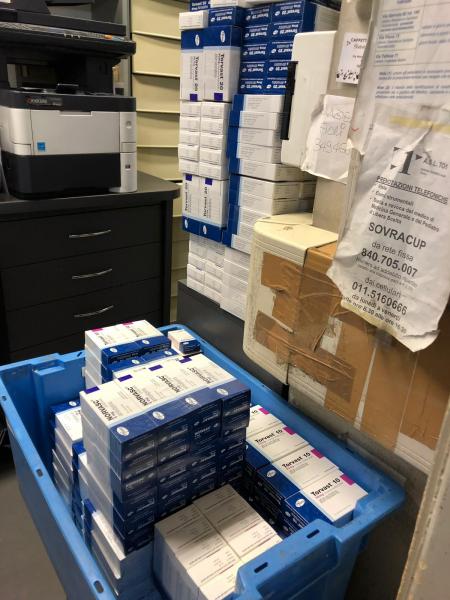
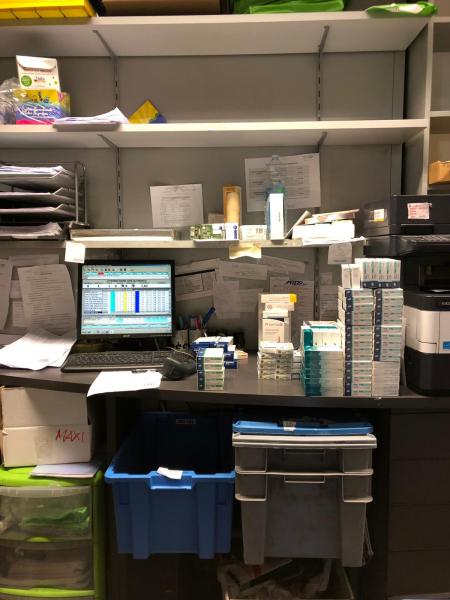
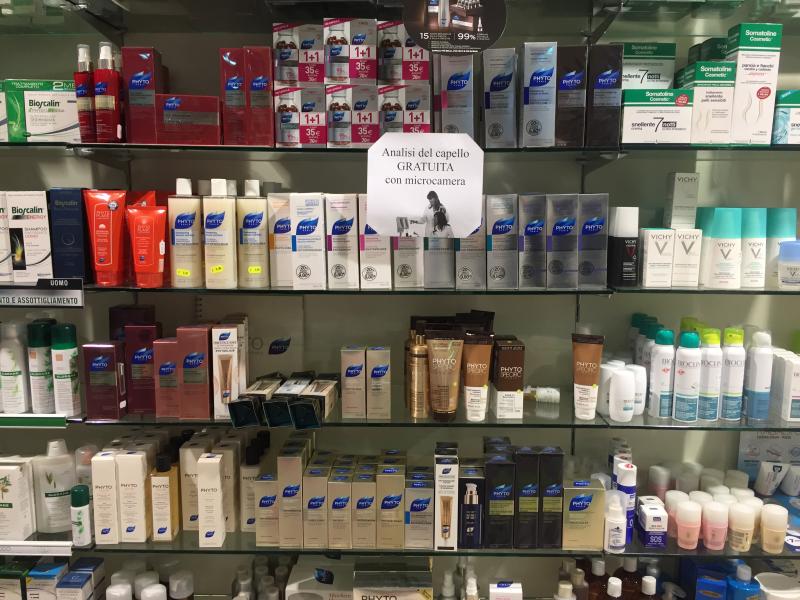
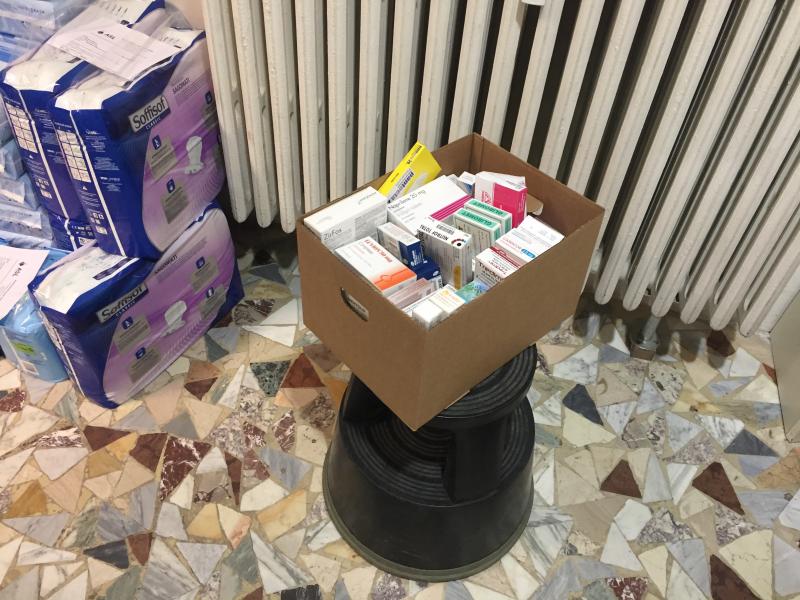
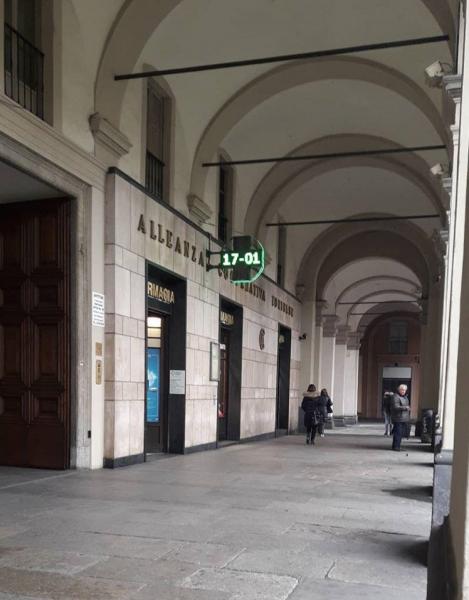
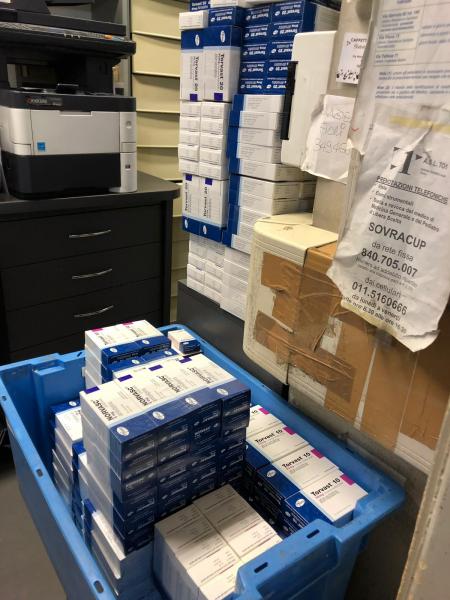
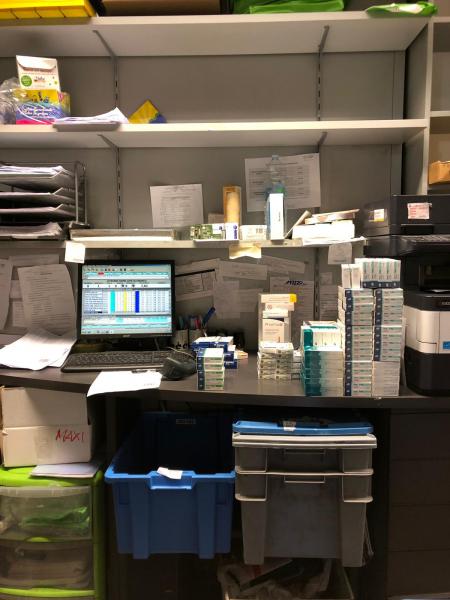
We documented our experience into the pharmacy with these photos. Enjoy them:)
Дял
This is the video that we made to dissemate our activity. Enjoy it and contact us to
IIS Santorre di Santarosa 3L 2018/2019