Hosted by OSOS , contributed by Mirell on 11 July 2019
•Bullying affects everyone – school children, teachers, parents.
•More than a quarter of school children have experienced cyber bullying, and one in six children admit to have bullied others online.
•School bullying is often related to cyber bullying because school bullying can also take place online.
Learning Objectives
Increased awareness about the cyberbullying and its consequences. Understanding, that online world is a real world and there are the same rules as in the real world. Children and young people smarter use of internet and digital communication devices.
Osjetiti
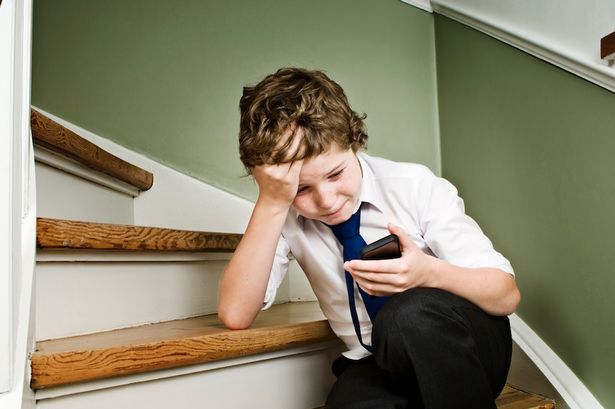
•According to the “2016 Smartly on the Web” survey almost half of school children start using the Internet between the ages 7 and 9, i.e. at the time when they start school. Almost a third of children go online even earlier – between ages 4 and 6.
•The Internet is used on all devices - desktops, laptops, cellphones, and tablets. Cellphone is currently the most popular device for online access.
•The most popular websites are YouTube (87.3%), Facebook (65.1%),Instagram (62.2%), and Snapchat (54.8%). Among the Russian-speaking children Vkontake (44%) is widely used as well. 25% of children use Twitter. WhatsApp and Odnoklassniki are slightly less popular.
•Almost 70% of children have googled themselves and a quarter of them are not happy with their digital footprint.
•Although most of the students don’t share their passwords, around a third have done it by giving their password to friends, acquaintances, and teachers.
•A little more than a quarter of school children know that the same laws and rights apply both online and in real life. About a third of children think that real-life rules don’t apply to cyberspace, because cyber world is not real, it does not reflect the reality, and it is anonymous. 40% of students did not have a firm opinion in this question.
•More than 40% of school children have seen sexual and/or violent content online, and almost as many have met someone they have met online in person.
•According to school children, about a third of parents know only a little or nothing at all about their children’s online activities
More information:
Zamisliti

•Who is Your target audience?
•Create a poll among all age groups (1-5 grade; 6-8 grade), to find out where is the problem biggest at your school.
•Go talk with the students in order to find out what problems are most relevant for them
•How they would like to solve the problem?
•Hint! Its better to talk with them in small groups to get more private atmosphere. It helps them to be more open about the issues which concerns them.
•More information:
Kreiraj
- Governance - It is important that this project involves different agents of school and society. School management, teachers, other students (their parents), Union for Child Welfare etc - since they are the ones who can benefit most from the conclusions of the activity. NB! Please find out which foundations are actively working on your area for the benefit of child welfare
- Public engagement - Students will be able to make decisions collaboratively, with the participation of other schools involved with whom they can create an association with the aim of improving the results and conclusions obtained, sharing them with stakeholders. NB! Contact with partner schools, in order to spread the message and get more accurate information about cyberbullying. If its possible, conduct the survey in as many schools as possible.
The more information you have, the easier it is to come up with solution, which is really relevant and life-changing.