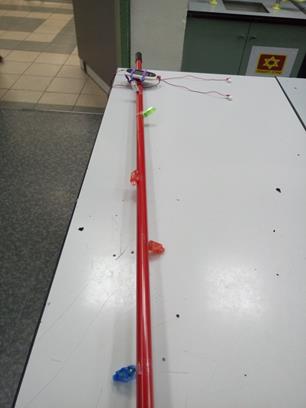
Hosted by OSOS , contributed by halfonn7 on 21 January 2020
A PBL program to look for solutions to "real life" problems. The project will consist of weekly encounters. It begins with the imparting of skills in teamwork, followed by a division into professional courses (product design, Arduino, application development, management, marketing and research) and working groups (around 26 groups of 6 students per group, one from each professional specialization). Formation of the working groups is done around the departments of the local authority, in which each group, in its department, has to choose a subject to deal with, by following these steps: making research to identify needs, defining a problem, finding solutions and formulating a prototype or a model. At the end of the year, students will present their products at a festive event.
Opportunities for involving stakeholders from the community:
- Parents (especially if there arer experts in relevant fields);
- Academic researchers and lecturers from near institutions (The Technion - Israel Institute of Technology, Haifa University, Oranim college);
- Industry (representatives from different companies to support the pupils' projects);
- Local authority (The scope of the problem in which the entire project deals focuses on the surroundings of the community, and therefore the local authority will be recruited to join the project).
General resources needed:
- School staff: 1 teacher per 15 pupils
- computers (1 for every 2 pupils)
- Arduino + relevant accessories
- 3D printer
- equipment for makers workshop
Responsible Research and Innovation
One of the key aspects of OSOS is the inclusion of RRI - Responsible Research and Innovation principles (more information at RRI-Tools.eu). This is how the iSTEAM Accelerator fits into the RRI model:
|
Governance |
students will be responsible for involving different stakeholders, with whom they will maintain a continuous relationship with the objective of improving problems in the school environment.
I.e.: Students will be in continuous contact with stakeholders, who will be involved in the different phases of the activity in order to achieve the best results of the project. students will communicate the different advances in a transparent and reflective way. |
|
Public engagement |
Students will encourage the participation of stakeholders in the activity, making it proactive. Students will be able to make decisions collaboratively, sharing responsibility for the final results with stakeholders.
I.e.: students will get in touch with families and neighbors, whom they will interview and ask about problems around the school. In addition, all these external agents will be able to communicate to students both their opinions and what solution is better from their point of view, which will help students to make collective decisions. |
|
Gender equality |
When considering the scientific project, from its conception to its final solution, students will take into account the gender dimension. To do this, they will make equal decisions and ask both men and women, analyzing if there are differences in their opinions.
I.e.: Equal work division between female and male students when working in groups. |
|
Science Education |
Students will involve their environment to solve social problems and challenges through technology and science. The stakeholders can participate as active elements during the project.
I.e.: students will be supported by various types of stakeholders during different phases of the project, including both the search for challenges and problems and the proposal of solutions through Science that can solve them. |
|
Ethics |
Students will align their research with social values and the needs of the environment. For this, they will share the responsibility with different stakeholders (such as neighbors and families), whose opinions will be taken into account when reflecting on the problems of the school environment.
I.e.: students will be able to take advantage of science to improve the dangers that may exist around the school, providing a technological solution that will be innovative and also social. |
|
Open Access |
Students will be responsible for creating a series of materials that they can then disseminate to families and neighbors. To do this, they will study the types of licenses that exist and determine which are the most appropriate for their materials.
I.e.: the highlights of the projects and all the materials will be published to the public. The project will be advertised in local media and the facebook pages of the Municipality. |
Sentir
היה מהנה ומרתק, מעורר דמיון והשראה.
פגשנו אנשים מיוחדים שעושים דברים מדהימים למרות הכל.
הרשים אותנו במיוחד בז'ה נבבה האלוף האולימפי בריצה, שהצליח להתגבר על קשיים אישיים ולקבוע שיאים גם אם אף אחד לא האמין בדיוק כמוהו שיוכל להשיג.
Imaginar
הפרויקט שאנו מתכננים הוא ג'יפיקל.
כששמענו את ההרצאה של בזה נבבה הבנו כמה חשוב להקל על אנשים עיוורים וכבדי ראייה ביומיום.
פנינו עם הרעיון שלנו למורה שלנו נעמי. היא שאלה אותנו כמה שאלות שעזרו לנו לחשוב איך להפוך את הרעיון למוצר - כך חשבנו על הרעיון לזהות מכשולים ולתרגום אותו לעזרת המשתמש.
אוכלוסיית יעד: אנשים עיוורים וכבדי ראייה.
הבעיה: אנשים עיוורים לא יכולים לזהות מכשולים בדרך,
לפני שהם מתקרבים אליהם.
הצורך: אנשים עיוורים חייבים לזהות מכשולים בדרך,
לפני שהם מתקרבים אליהם.
Crear
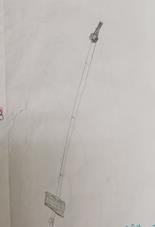
תכננו כיצד לבהות את הדגם למוצר לפי התכנון הראשוני.
נעזרנו באביזרים שונים שהבאנו: מוט מתכת, פנסים ועוד.
ראובן סייע לנו לחשוב איך ליישם את התכנון וגם המנטורים שהיו איתנו כיוונו אותנו קצת.