Hosted by OSOS , contributed by toanja on 26 June 2018
If we accept that water is necessary for life and it is a finite resource, how can we solve some of the problems of water pollution?
Water4Life – is about Water and how we can solve some of the problems humans cause. We consider how it’s used and governed, which is a vital consideration for human health and well-being. The aim of the project is to design learning resources that can be used to develop students’ scientific knowledge of water and marine education. These resources will be presented as a collection of inquiry activities in three content strands: Water and Health, Recycling Water and Marine Science.
- Strand A: Water and Health – role of Biofilms. This strand is a fun and safe way to introduce microbiology and the associated terminology to the students.
Biofilms can be found occurring naturally forming on any surface which is moist and is exposed to bacteria. Activities introducing students to biofilms including making models of biofilm using modelling clay and gelatine, simulating the action of biofilm using modelling clay and hair gel.
- Strand B: Recycling Water. This strand centres on various water remediation processes.
Activities in this strand will include – comparing the effect of a drop of water (from different sources) on agar gel, using a homemade plankton (tuile fabric, coat hanger) net to harvest a stream and examine what it captured, simulating rain pollution through drains, making a simple filtering system (fabric), using sunlight and PET bottles to disinfect water.
- Strand C: Marine Science. This strand will focus on the occurrence and extent and innovation solutions to the effect of micro/meso-plastics in the marine environment.
Activities explore whether we can develop strategies we can develop for retrieval involving electrostatic attraction, filtering, or other forms of harvesting, reduce energy consumption?
LEARNING OBJECTIVES:
- Strand Unit: Science and the Environment - The child should be enabled to recognise and investigate aspects of human activities that may have positive or adverse effects on environments: activities that affect the quality of water. (NCCA, 1999: 91)
- Strand Unit: Environmental Awareness - The child should be enabled to come to appreciate the need to conserve resources: recycling of materials [...] in contrast to some plastic packaging (NCCA, 1999: 90). The child should be enabled to foster an appreciation of the ways in which people use the Earth’s resources: using [...] water (NCCA, 1999: 90)
- Strand Unit: Caring for the environment - The child should be enabled to identify and discuss a local, national or global environmental issue: such as [...] pollution - investigate the causes of the issue / identify & use ways of assessing or measuring the extent of the problem / suggest possible actions and consider the effect of these on people and the environment / participate in the resolution of the issue (NCCA, 1999: 92).
AVAILABLE PARTNERSHIP OPPORTUNITIES:
|
Families |
To explore ways to reduce water waste in the home |
|
Local Communities |
To raise awareness of water consumption from a community perspective To raise awareness of the destination of plastics we throw away |
|
Water Institute Researchers |
To inform actors and provide resources for practical work |
|
County Council/TD |
To involve public awareness initiatives, policymakers and public representatives |
RESOURCES NEEDED:
Electrostatic generator (e.g. Van der Graaf), plastic rods made from different plastics
URL TO FIND OUT MORE INFORMATION:
STRAND C: Marine Science - https://sites.google.com/dcu.ie/marine/home
Feel
Vesiprojekti soveltaen Water4life-aihiota
Projektimme alkoi yhteisellä pohdinnalla aiheesta "Vesi". Keskustelun aikana taululle tehtiin ajatuskartta, johon kirjattiin sellaisia asioita, joita oppilaille tuli vedestä mieleen. Keskustelimme muun muassa siitä, mihin vettä tarvitaan yms. Yhteisen pohdinnan jälkeen lapset tutustuivat aihetta koskeviin lasten tietokirjoihin, jotka opettaja oli lainannut kirjastosta. Katsoimme myös lasten piirretyn liittyen veteen maapallolla.
Imagine
Tutkimusvaihetta varten oppilaat jaettiin neljän hengen ryhmiin, jotka saivat omat vesi-teemaiset tutkimusaiheensa.
Tutkimus aloitettiin tiedonhaulla, jossa hyödynnettiin lasten tietokirjoja ja koulun ympäristöopin kirjoja. Tehtävän aikana oppilaat harjoittelivat myös sähköistä tiedonhakua. Lopuksi ryhmät työstivät aiheistaan pienet seinäjulisteet, jotka he esittelivät luokalle.
Tiedonhaun ja esitelmien jälkeen oppilaat saivat toteuttaa tutkimuksia veteen liittyen yhteistyössä Turun yliopiston kanssa. Vesikokeissa tutkittiin mm. kelluuko jokin esine vai ei ja miksi. Saman aiheen parissa jatkettiin myös simulaatiotehtävällä, joka löytyy osoitteesta: https://phet.colorado.edu/sims/density-and-buoyancy/buoyancy_fi.html.
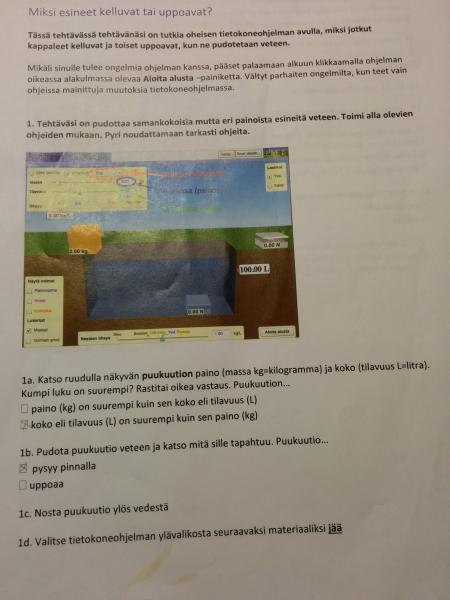
Kuvataiteessa oppilaat toteuttivat työn, jota kutsuttiin nimellä "Veden alla".
Create
Projektin aikana oppilaat saivat kotitehtäväkseen tutkia perheen vedenkulutusta. Paljonko perhe on kuluttanut vuodessa vettä? Lisäksi oppilaiden tehtävänä oli tarkkailla, ettei kotona valuteta vettä turhaan, että suihkussa käytäessä hana sammutetaan jne. Koulussa vertailtiin perheiden vedenkulutusta ja mietittiin syitä, miksi joillakin on kulunut enemmän vettä kuin toisilla (mm. perheen koko jne.).
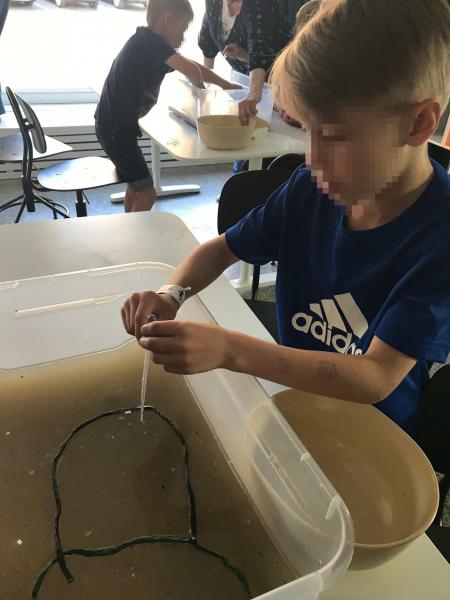
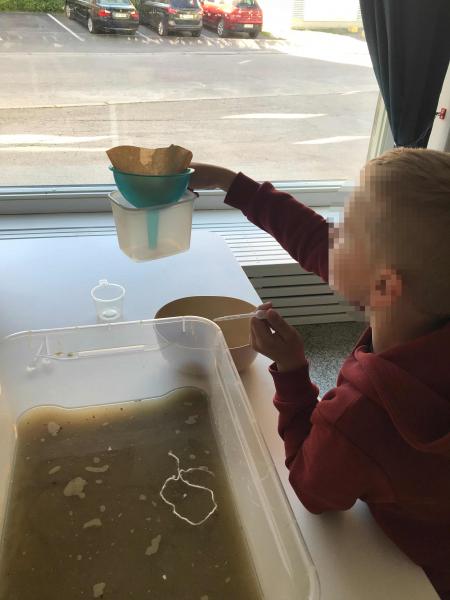
Yhteistyötä tehtiin myös Tampereen kaupungin kanssa, joka tarjosi mahdollisuuden osallistua "Puhtaammat vedet" -työpajaan. Työpajassa lapset pääsivät kokeilemaan veden puhdistamista kahdessa eri pisteessä:
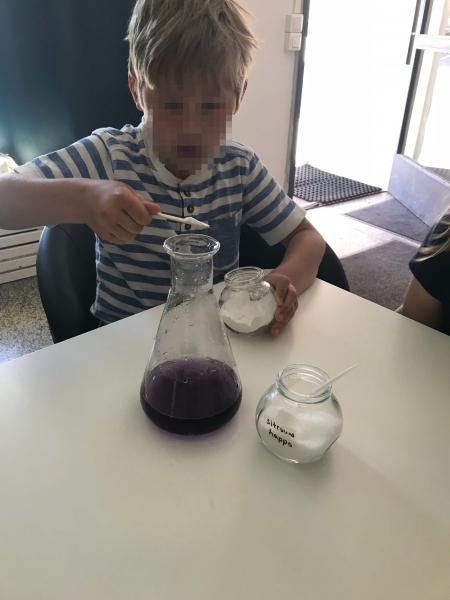
Ensimmäisessä työpajassa puhuttiin siitä, miten laitosten jätteet joutuvat veteen ja miten jätevesi laimenee liikkuessaan vesistöissä (esim. Ratinan suvanto --> Pyhäjärvi --> ). Lapset kokeilivat ruokasoodalla ja sitruunahapolla veden (punakaalikeitos) värin palauttamista (toinen oli saastuttaja ja toinen puhdistaja, lasten piti kokeilemalla päätellä, kumpaa ainetta saastuttaja oli laittanut veden joukkoon).
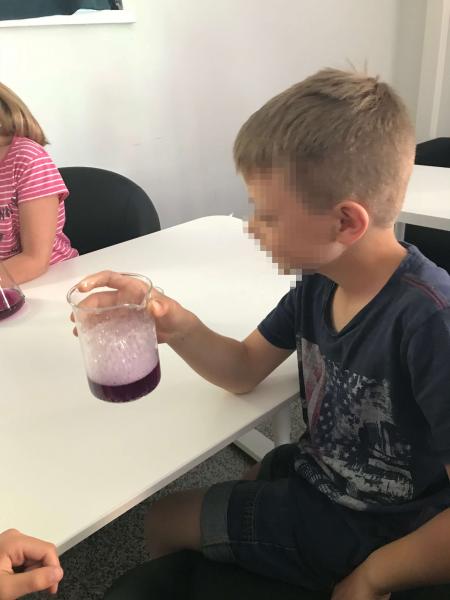
Toisessa työpajassa kokeiltiin veden mekaanista puhdistamista. Työpajassa keskusteltiin myös siitä, miten ihmisten roskat saastuttavat vettä sekä miten öljyvahingot vaikuttavat meriin ja lintuihin. Lapset pääsivät kokeilemaan, miten likaista vettä kannattaa mekaanisesti puhdistaa.