Hosted by OSOS , contributed by arg on 8 April 2019
Students' contact with real environmental problems (eg climate change, energy problem) and their exploration based on the knowledge of the science program. Students, as scientists, study causes, as members of the community are puzzled and seek solutions, as members of civil protection make proposals.
Feel
Nowdays many data mention that our planet is on risk.
You are constantly surrounded by many different things on this planet earth. Most of the time, we take all these for granted. Your surroundings, be it living or non-living, the geographical area where you live etc. constitute your environment.
Do you think there is a need to protect the environment? Have you ever given thought to the aftereffects that will plague for not addressing the environmental issues on time? Let us analyse in brief the various environmental issues that are plaguing our current world as well as the harmful effects of these issues on the human population.
Some of our present challenges:
- Via the following texts you can learn more about the challenges we´re facing.
Sources: www.theguardian.com/environment/climate-change and populationmatters.org
In science, it’s all about the data. The data tells the story, and conclusions are constrained by the careful scientific analysis of data. When scientists reach consensus about conclusions drawn from data, it is the result of years of exploration, analysis, and argument. Scientists are skeptical by nature.
- Can you search and explain through evidence that Earth's key climate indicators are changing over time?
https://climate.nasa.gov/interactives/climate-time-machine
-
What are Environmental Issues?
The world is going to end tomorrow’. Suprised? What if this is true? Maybe not today, but someday and unfortunately, this isn’t something one can simply joke about. Since the rate at which global warming is increasing, there’s no surprise this could actually happen in the near future. And we, humans, are responsible for all of these environmental effects. But is this the only cause we’re responsible for or are there others?
Current models predict that, although future regional climate changes will be complex and varied, average global temperatures will continue to rise. The outcomes predicted by global climate models strongly depend on the amounts of human-generated greenhouse gases added to the atmosphere each year and by the ways in which these gases are absorbed by the ocean and biosphere.
Changes in the atmosphere due to human activity have increased carbon dioxide concentrations and thus affect climate.
Starting by investigation the causes and consequenses the global enviromental problem of " Climate Change" we focus to prepare a Sustainable Development Guide for our society!
Take under consideration the evolution of climate change.
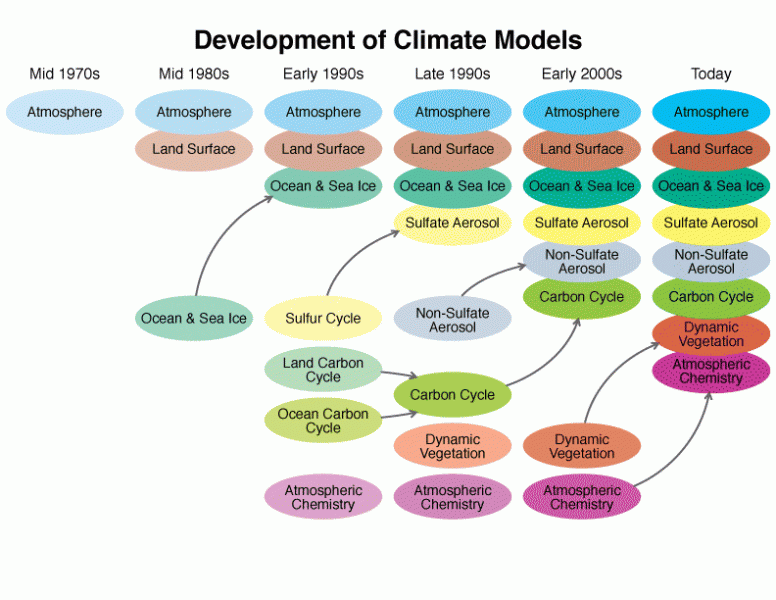
As you could mention it contains more and more areas of our surounding.
Students will examine different lines of evidence and form conclusions based on their analysis of data. Students will work in groups to analyze their data, and then prepare statements summarizing their conclusions and connecting them to their data. The students will then communicate their conclusions and their arguments supporting their conclusions with the class focus on suisustainable goals for your society.
Imagine
1. Climate Action
Can you investigate and provide data for climate change (graphs, photographs)
Here you could have access to recourses for your investigation
2. Meteorology action plan
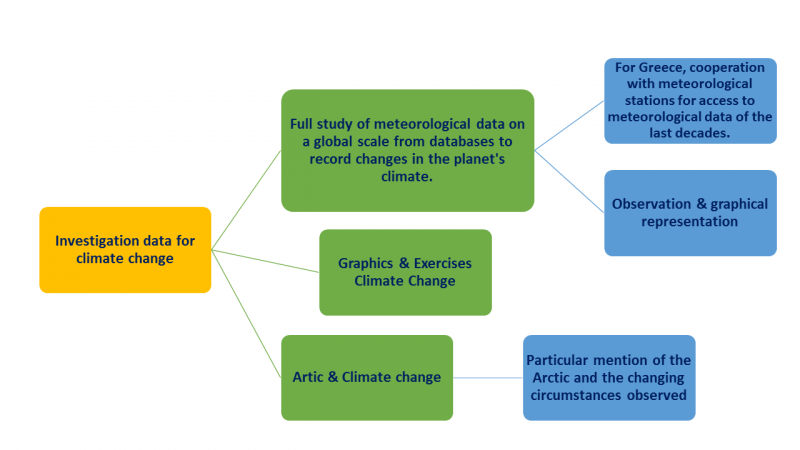
- Investigate meteorological data on a global scale from databases to record changes in the planet's climate.
- Particular mention of the Arctic and the changing circumstances observed.
- For Greece, cooperation with meteorological stations for access to meteorological data of the last decades
The Joint Research Centre (JRC) publishes most scientific publications, providing EU citizens, governments and businesses with free digital access to official information and data from JRC research.
Investigate the range of work carried out at the JRC includes the
- compilation of databases
- development of software and modelling tools
On the basis of our open data principles we publish tools and databases with clear descriptions for each entry here on the Science Hub.
The tools and databases are categorised by name and acronym, but can be filtered by research area, keyword and JRC institute responsible for the coordination of the particular entry.
To search specific datasets or collections, the JRC Data Catalogue opens access to our data.
According to Commission policy, there are available sets of meteorological data produced by AGRI4CAST in the scientific community. These data sets cover the period 1975 - current calendar year and are updated regularly. Daily rates can be recovered in a regular 25x25 km network covering EU Member States, neighboring European countries and Mediterranean countries.
Especially for Greece you could colloborate with national meteorogical stations for provide analysis with support of following data bases:
1.Example of access to meteorological data
2.Example of access to meteorological data
3. Air Pollution action plan
- The pollutants of the atmosphere and their association with the phenomenon of climate change.
- Collaboration with specialists on access to data on air pollutant emissions in Athens.
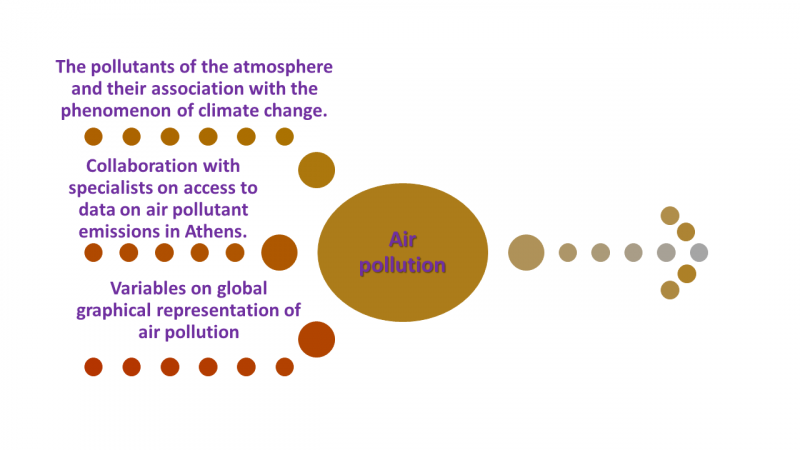
The following data base provide important information for analyse the air pollution
Data base for CO2 emissions per capita
4. Energy consumption Action Plan
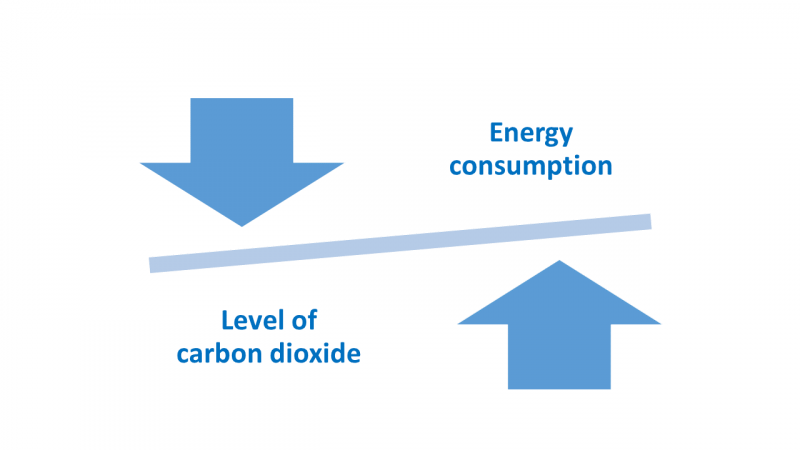
What is carbon food print?
What is ecological food print?
Steps for solving energy problem
Make a research to your local community to report the carbon food print of your classmates.
Based on reponses of the form make comparisons and calculations
Start to reduce your carbon emissions
Can you prepare your daily diet with the lowest carbon food print?
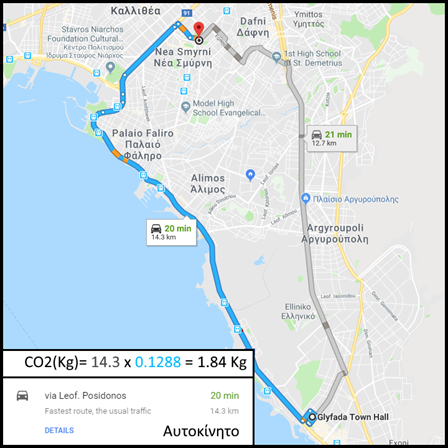
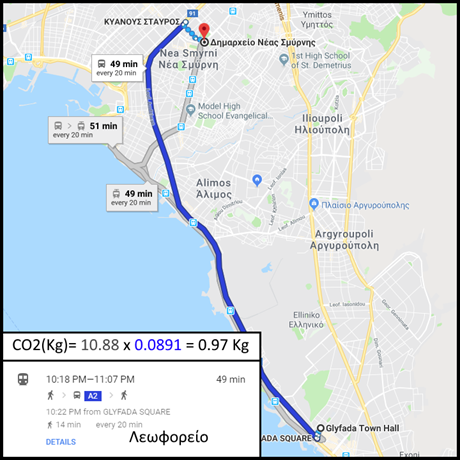
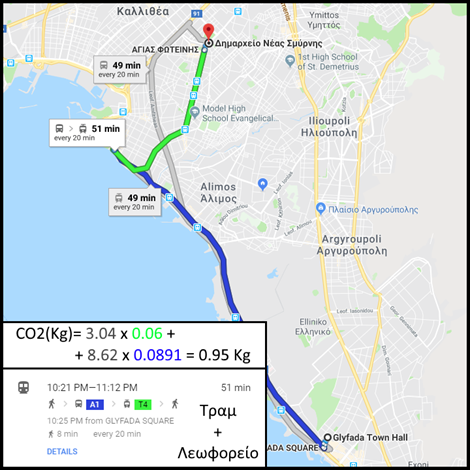
Daily transportation
Make a research to your local community to report the carbon dioxine of your classmates based on their daily transportation
Solutions and proposals to offset carbon dioxide by design of alternative routes and transport.
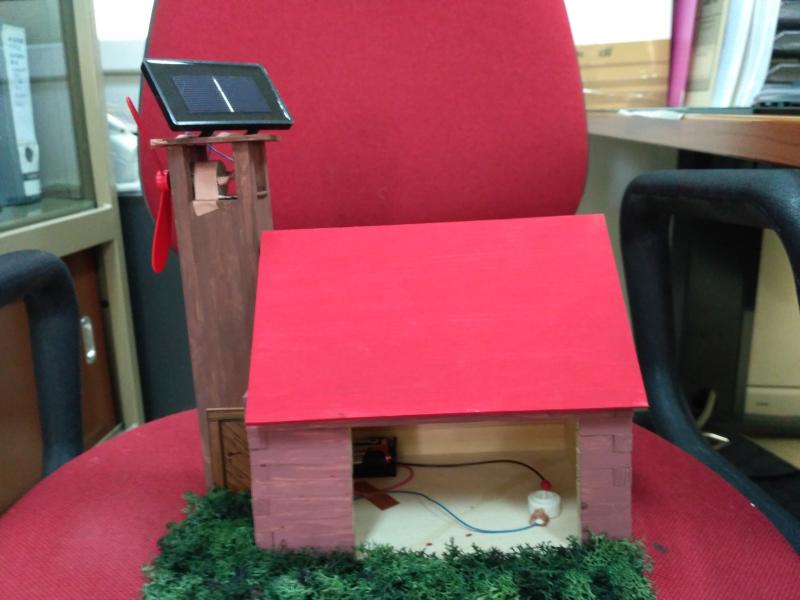
5. Engineering woman
Girls take a role of an engineering and provide alternative sollutions for energy problem.
6. The role of biotechnology
How can biotechnology help the protection of human heatlh that are results of air pollution and water pollution and genaral of enviromental pollution.
Can you research for information?
Create
Students in action plans
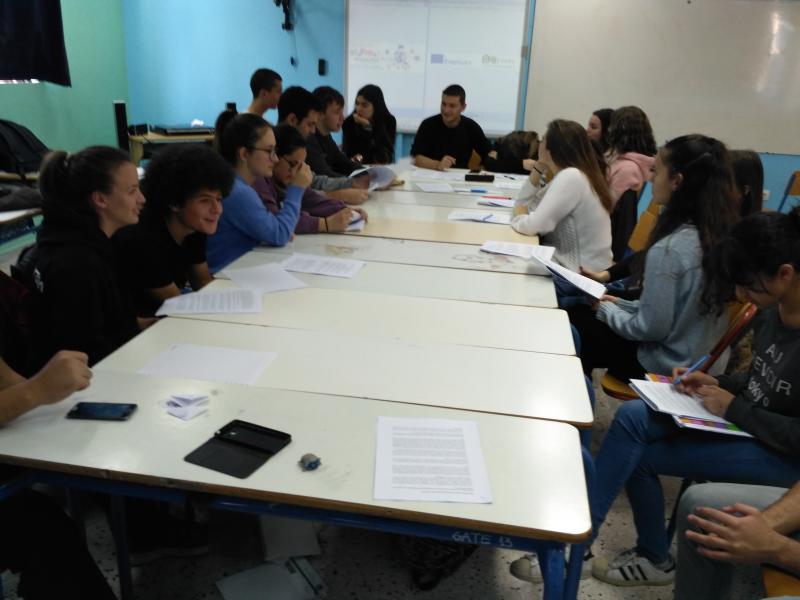
1. Digital story of challenging global enviromental problem of climate change
2. Mathematical modeling of climate change
- Graphical representation of temperature changes (globally and in different countries), as well as the rise in sea level and carbon dioxide emissions are made.
- Mathemstical problems and solutions based on graphs of temmerature, sea level and mass of ice sheets
- There is also a report on carbon emissions and finally the results of global warming and ways of protecting the environment
Statistical anaysis for range of temperature
Statistical study for temperature for all European conutries based on real data
For example for Greece:
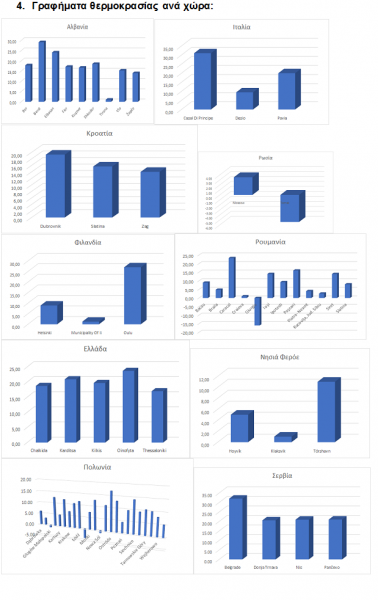
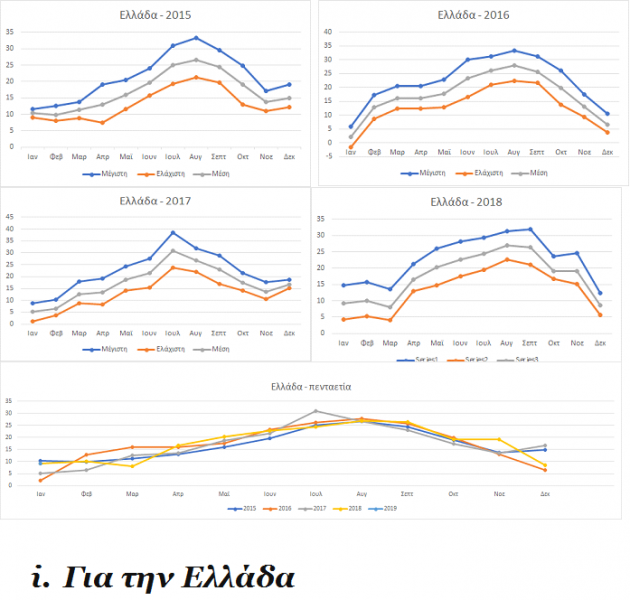
Source for access to real data
Obliviously, air quality creates a significant problem in Europe, especially in some densely populated urban areas and during certain weather conditions. Taking under consideration the serious impact of the air pollution on our society in this paper, firstly we try to define the term of air pollution. Additionally, many analysis and models have been tested to understand and finally reduce the problem, in our viewpoint an historical analysis through to facts needed and especially the investigation of the relation of increased level of technology and the increased level of air pollution percentages. By understanding the reasons behind the increase of air polluting substances in the atmosphere, we may have better chances of solving the problem in the future.
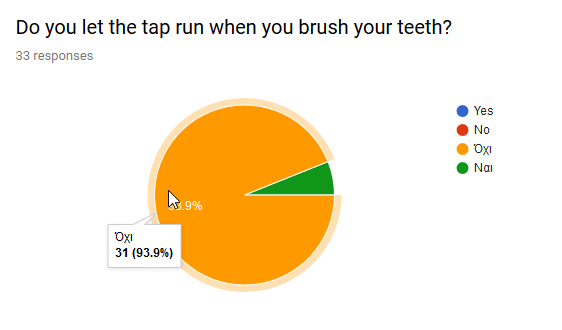
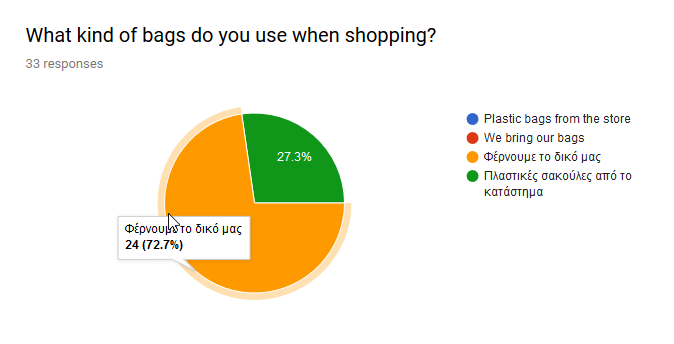
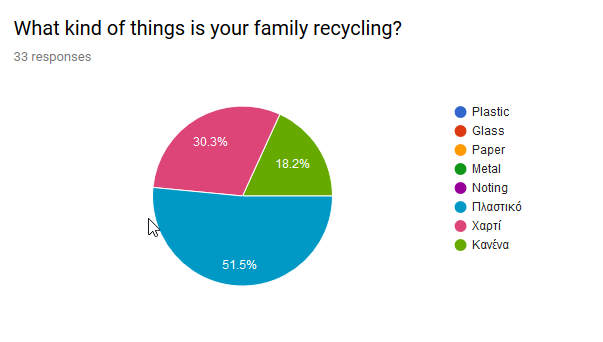
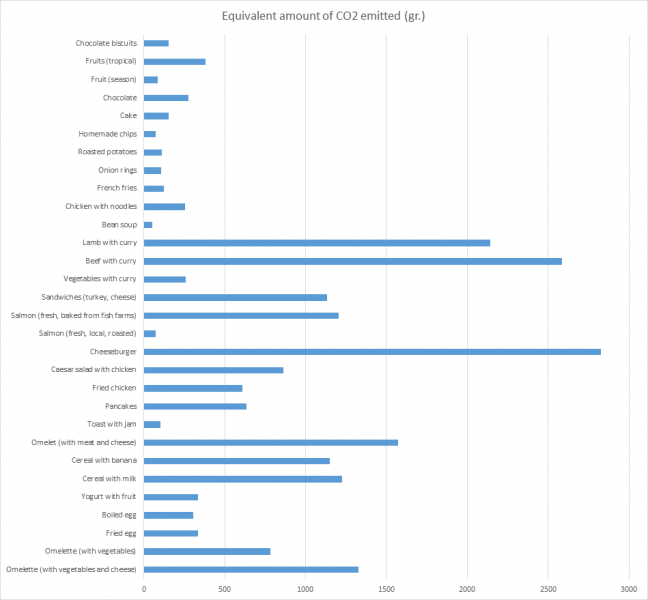
Students record daily habits for make solutions to reduce carbon foodprint
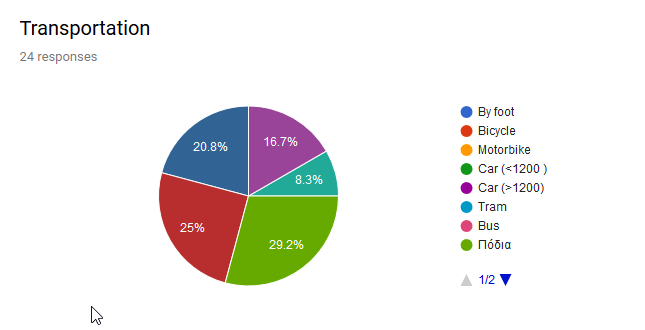
6. Responses of students' syrvey for foodprint
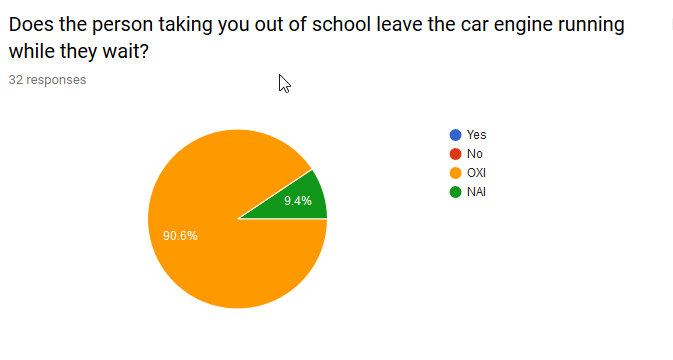
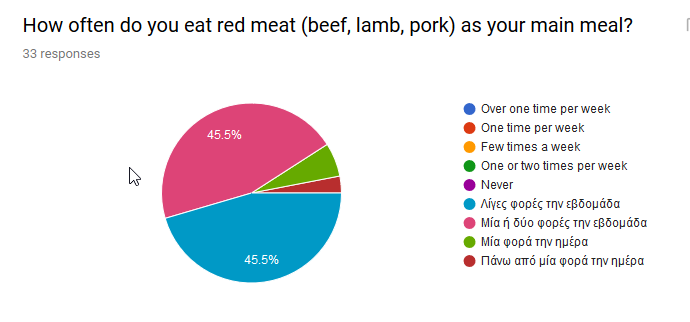
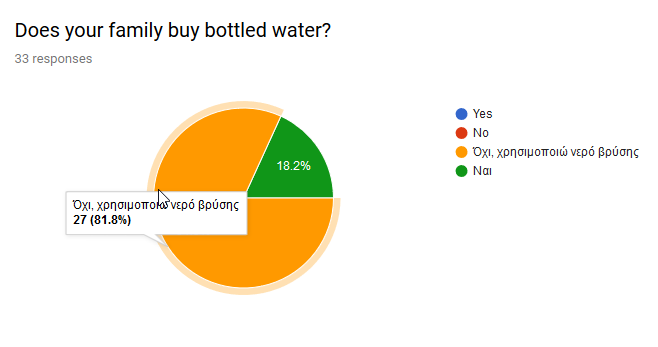
7. Based on daily habits recorded to survey students try to make daily diet
8. Based on responses of survey for daily transportation
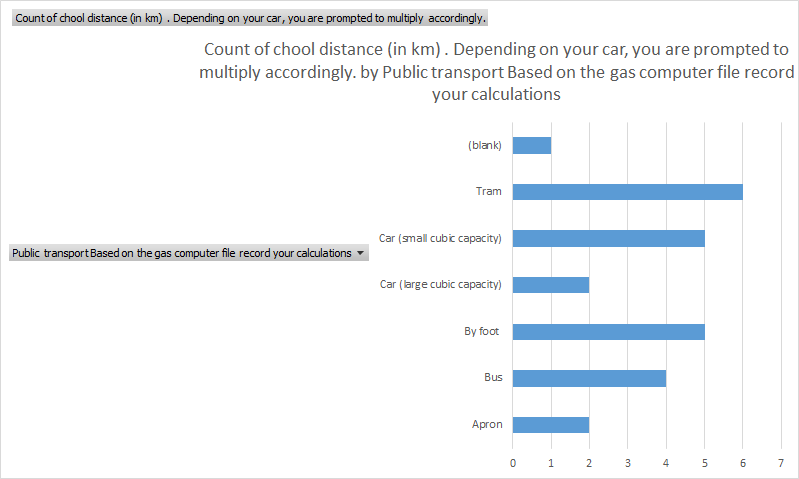
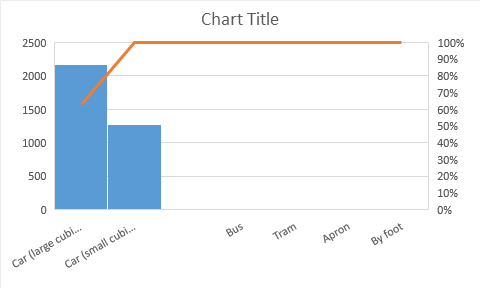
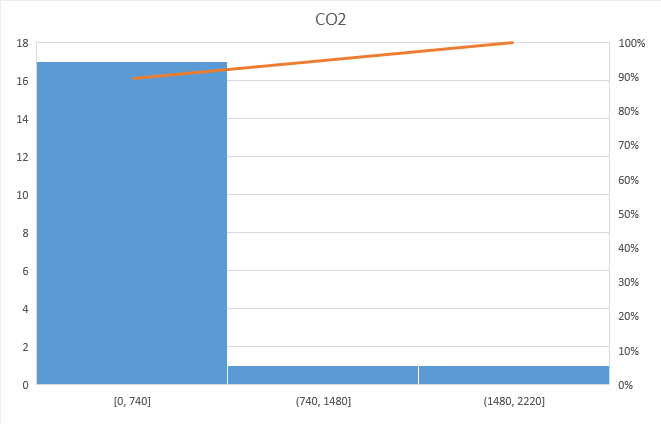
Make descisions for alternative route for transportation
9. Hands on creativity for degreasing energy problem
Engineering girl of team
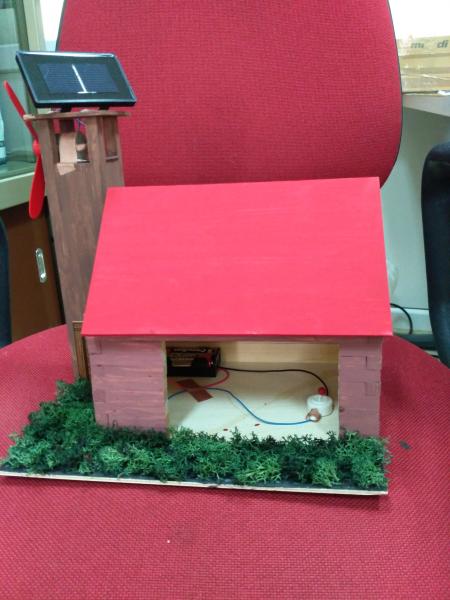
10. Reports about biotechnology and its role to protect human health
Video about advantages of biotechnology GR
Video about advantages of biotechnology (English language)
Share
1.The project included to STEM Discovery Week 2019
- Organise and share information about activities and actions in STEM education as part of the STEM Discovery Week campaign.
- Encourage third parties to support and join in communities of Open Schools for Open Societies Project by organising STEM activities or actions of their own and share information.
Writing article to the blog of STEM Discovery Week for actions and activities for RRI in school as initiave example this project
2.Students will puplish their projects to Open School Journal for Open Society