Hosted by OSOS , contributed by smadarcohen30 on 22 February 2019
Development of a unique Hub to support inquiry based learning of 6th and 9th grade students. The core of the project is the support mechanism for the students and teachers which includes opening the school to a wide range of experts and mentors from the academic and the informal education community.
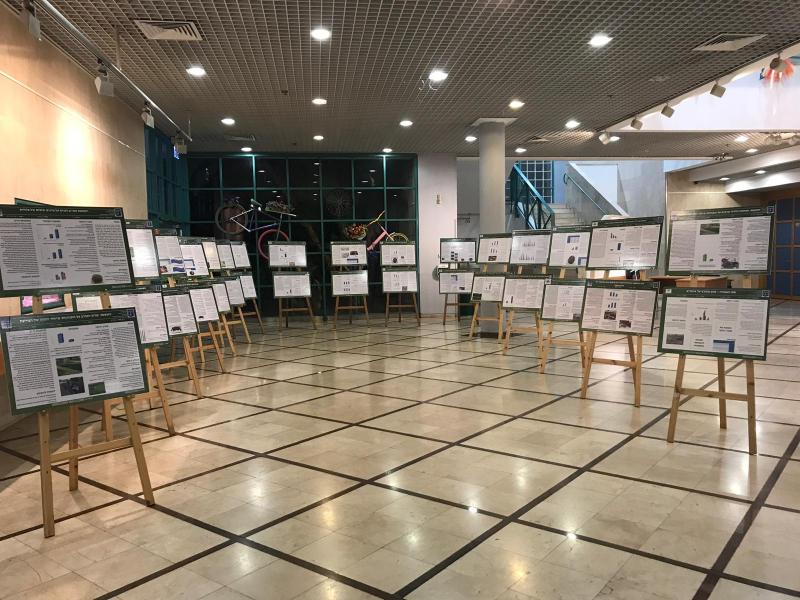
The inquiry process begins with a series of engaging meetings aimed to rise curiosity and introduce to the students the inquiry based learning process. School labs and other facilities, including relevant school staff, are open for students after school hours. The process comes to its peak with the regional science fair.
To read more about this project - CLICK HERE.
AVAILABLE PARTNERSHIP OPPORTUNITIES:
|
Local citizens with expertise in the subjects of the students' projects: a marine biologist, a public relations person etc. |
Content support |
|
The local zoo - http://www.haifazoo.co.il/
|
Support the inquiry based learning in the field of zoology |
|
Bird watching center - http://www.birds.org.il/he/bird-center-page.aspx?centerId=120
|
Support the inquiry based learning in the field of birds |
|
Botanical garden - http://www.oranim.ac.il/sites/heb/community/botanic/pages/default.aspx
|
Support the inquiry based learning in the field of botanic |
|
Ecological Greenhouse in Kibbutz Ein-Shemer - http://www.greenhouse.org.il/Profile.html |
Support the inquiry based learning in the field of agriculture |
|
Excellence project in STEM - http://www.alberto.org.il/Main/
|
Support the inquiry based learning in STEM education |
|
Policy makers from the Ministry of Education and local government and leading teachers from the school |
pedagogical support |
Responsible Research and Innovation
One of the key aspects of OSOS is the inclusion of RRI - Responsible Research and Innovation principles (more information at RRI-Tools.eu). This is how the NanoChannels Accelerator fits into the RRI model:
|
Governance |
students will seek to create a participatory governance, in which, together with the stakeholders, they can develop the activity and nourish each other's knowledge and experience.
I.e.: This Accelerator raises the support of several stakeholders who are experts in the subject that you want to raise (according to the interests and needs of the School). Students will be responsible, together with them, for setting the objectives of the activity, establishing a communication that, in addition to being transparent and reflective, is useful for improving the results. |
|
Public engagement |
Students will use science in this project in an interdisciplinary way and to involve stakeholders in different parts of the project, in order to share responsibility among all.
I.e.: students will be in contact with stakeholders, with whom they will share responsibility and make decisions collaboratively. The objective will be to improve the activity and the results obtained as it is carried out. |
|
Gender equality |
Students will establish research groups with gender equality, and will work to break the gender stereotypes that may be found in the issues raised in the project.
I.e.: students will create equal work groups in terms of gender, fostering a work environment without discrimination and in which they share the opinions of all. |
|
Science Education |
Students will encourage the participation of different agents of the environment in the activity, including them in the decisions to be taken within the project, in different phases.
I.e.: this Accelerator proposes to use the inquiry based learning methodology to learn, through a practical and innovative model, different questions related to the scientific field. |
|
Ethics |
Students will align the research with the social needs that arise in the topic chosen in this Accelerator.
I.e.: students will investigate the social needs of the environment in which the project is carried out, asking the stakeholders involved and proposing possible solutions to these challenges. |
|
Open Access |
Students will create an event in which they will teach, in a transparent and responsible way, the milestones achieved during the project, and will share materials with full reuse rights so that they can be used by others.
I.e.: students will organize an event in which they will teach stakeholders about the progress made during the activity. For this event, students will create a series of materials that they will also share online, through a specific website with content reuse licenses. |
RESOURCES NEEDED:
Leading teachers from the school and some local experts require payment. A fully equipped school lab. Budget for buses to visit the educational centers. Help in preparing and operating the regional science fair.
The materials needed depend on the specific projects that will be done by the students
Feel
בעבודה זו חקרנו את ההשפעה של אורך גל הקרינה על נביטת זרעי שעועית אדומה ולוביה.
במסגרת שיעורי מצוינות של שכבת כיתות ו' בבית הספר מגינים, בחרנו לחקור בנושא החממה ונביטת זרעים. במסגרת הפרויקט, נערך לנו מפגש משותף עם תלמידי מצוינות בכיתות ט' בחטיבת ביניים דגן שבקריה ,שסייעו לנו והדריכו אותנו לכל אורך תהליך החקר.
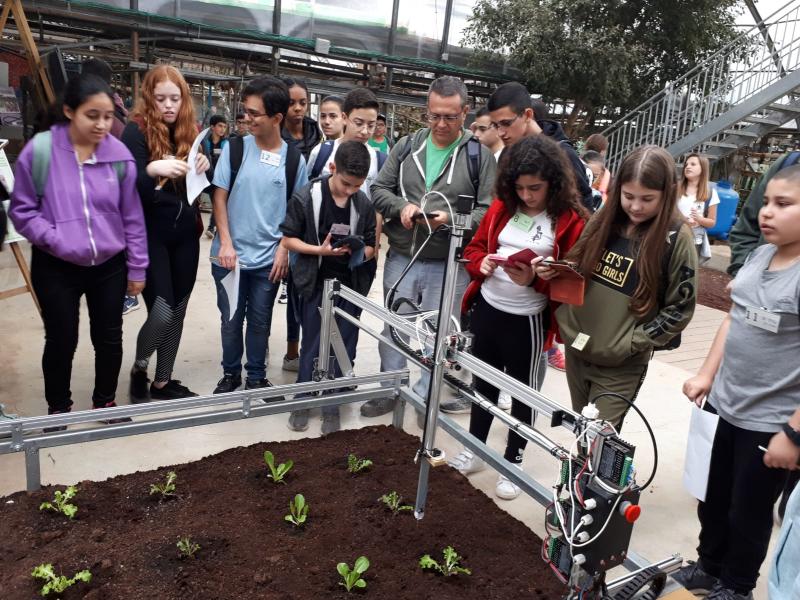
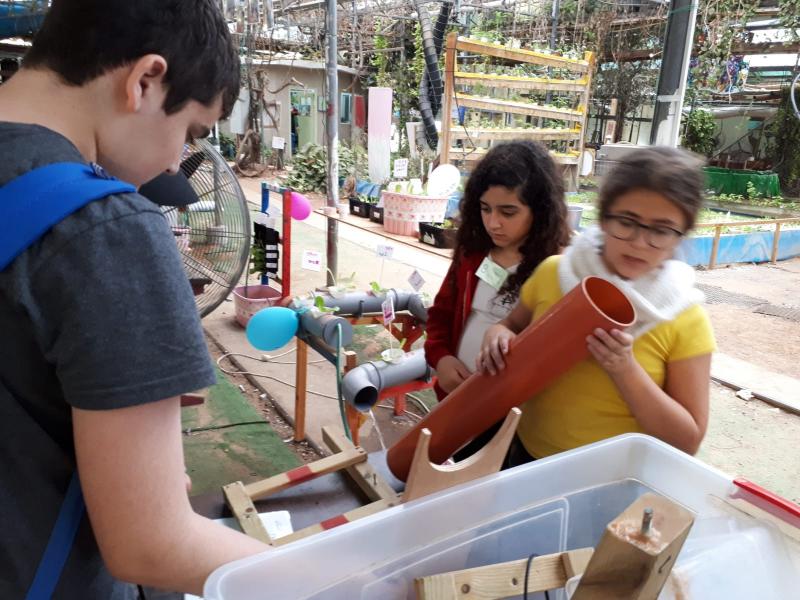
לאחר המפגש המשותף בו הציגו בפנינו את נושאי החקר ואופן העבודה יצאנו לסיור משותף בחממת עין שמר, בה נחשפנו לצמחים מיוחדים, הרכבנו מתקן חסכוני להשקיית צמחים ועוד
Imagine
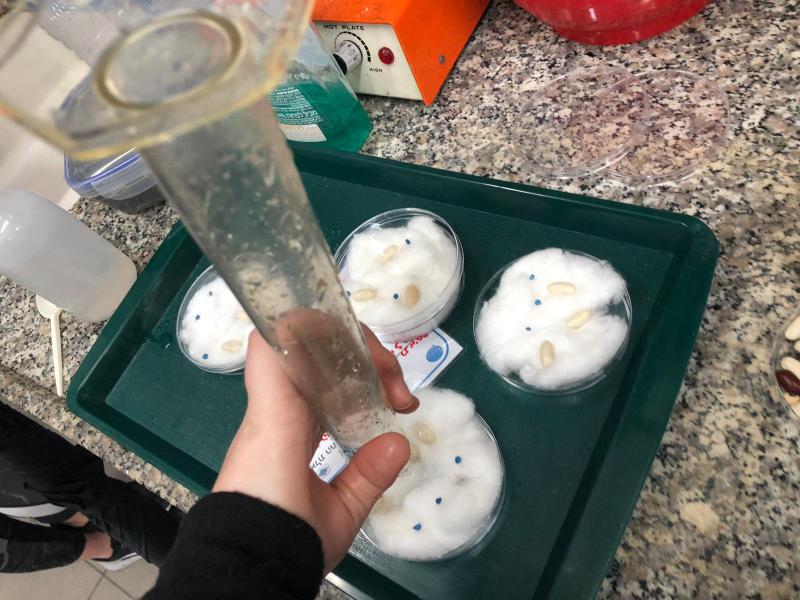
כדי לבדוק את שאלת המחקר שהעלינו ביצענו מספר תצפיות בחממה שבחטיבת הביניים כאשר בכל פעם הקרינו 3 סוגים של קרינה. לכל אורך התהליך נעזרנו במורה למדעים בחטיבה ותלמידי כיתות ט.
השערותינו היו:
- חשיפת זרעי שעועית אדומה וזרעי לוביה לקרינה תשפיע על נביטתם.
- לא נמצא כל השפעה על זרעים שנחשפים לקרינת אור השמש (האור הטבעי), לא מבחינת זמן נביטה, אחוז נביטה . זרעים אינם זקוקים לאור כדי לנבוט. רק בהמשך , כשהזרע הפך לנבט, נמצא הבדל כי צמח זקוק לאור בתהליך הפוטוסינתזה.
- זרעים שנחשפים לקרינת אולטרא סגולית , זמן הנביטה יהיה ארוך יותר ואחוז הנביטה יהיה נמוך ביותר. ידוע כי הקרינה זו היא קרינה מסוכנת, יש לה אנרגיה גבוהה והיא מסוכנת. לכן נראה כי החשיפה לקרינה זו תפגע ביכולת הנביטה הן של זרעי השעועית האדומה והן של זרעי הלוביה.
- זרעים שנחשפים לאור מנורת הלד אחוז הנביטה יהיה הרב ביותר.
Create
- לוקחים צלחות פטרי שוות בגודלן.
- בכל צלחת פטרי נניח צמר גפן.
- מעל צמר הגפן נניח את 3 זרעי הלוביה ואת 3 זרעי השעועית האדומה.
- משקים את הצלחות בכמויות שוות של מים.
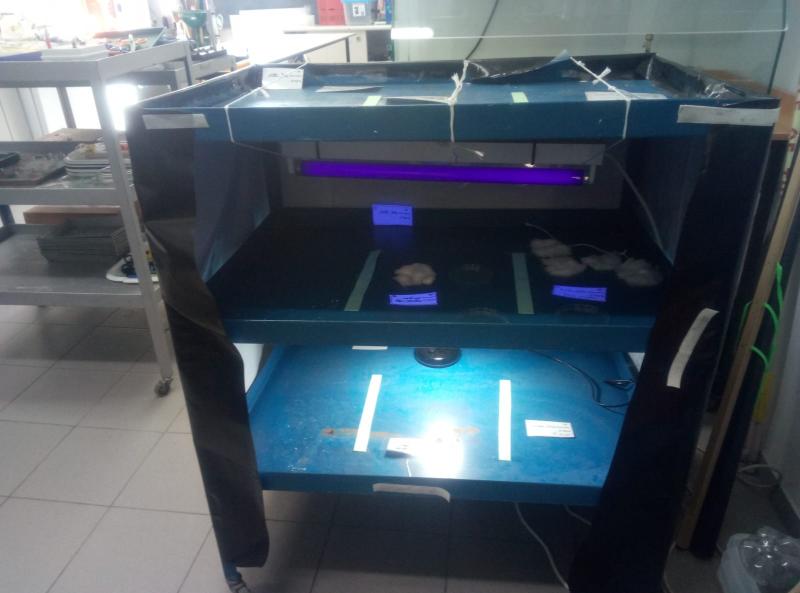
- מניחים את הצלחות בעגלה מיוחדת כאשר בקומה העליונה הזרעים חשופים לאור השמש, בקומה האמצעית הזרעים חשופים לאור האולטרה סגול ובתחתית לאור הלד.
כל יום בשעה 17:30 הנורות נכבות כדי שזמן החשיפה יהיה זהה (מתחילה החשיכה)
את התצפיות ביצענו בחטיבת הביניים.
Share
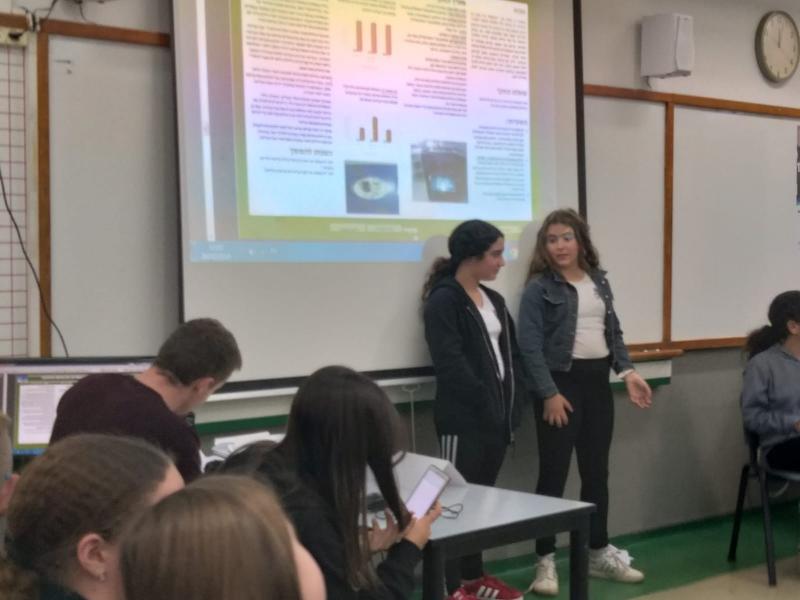
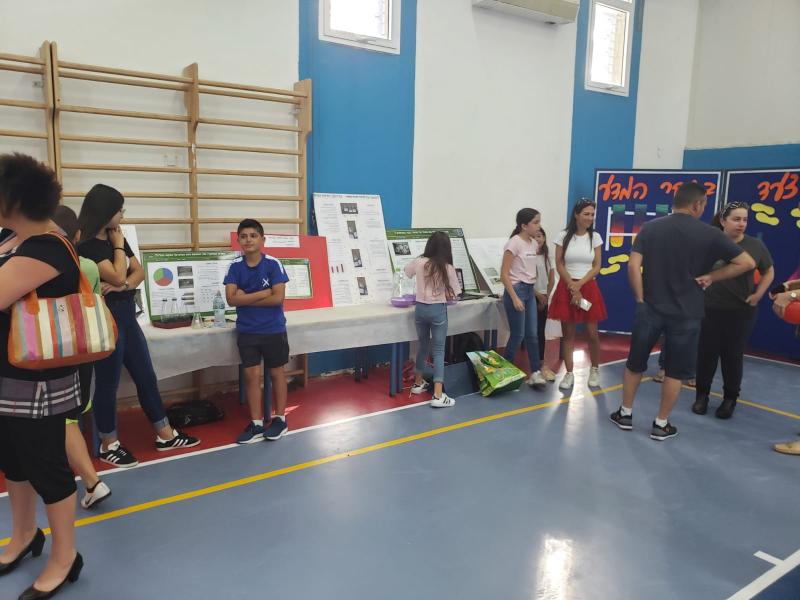
בסיום המחקר התקיים בבית הספר יריד בית ספרי. בשלב הראשון הצגנו את המחקר בפני תלמידי הכיתה ואחכ התקיים יריד בית ספרי בו הוצגו כל עבודות החקר. ביריד הצגנו פוסטר וכל תלמידי בית הספר שוטטו בסבבים ושמענו על המחקר.
בשלב השני נבחרנו להציג את עבודתנו בחטיבה מול מורי לחטיבות הביניים שבאו ולמדו על שיתופי הפעולה שלנו עם תלמידי החטיבה.
בשלב הבא התקיים יריד יישובי בו הוצגו עבודות החקר של תלמידי בתי הספר היסודיים ותלמידי כיתות ט מחטיבות הביניים מקרית חיים. היריד התקיים באשכול הפיס. שם הצגנו את המחקר שלנו מול חבר שופטים מהקהילה, מהעיריה וממשרד החינוך.
אחכ התקיים יריד בית ספרי בבו הצגנו נאת העבודה בפני הורים, מורים ותלמידי ד-ו