Hosted by OSOS , contributed by smadarcohen30 on 27 December 2018
Development of a unique Hub to support inquiry based learning of 6th and 9th grade students. The core of the project is the support mechanism for the students and teachers which includes opening the school to a wide range of experts and mentors from the academic and the informal education community.
The inquiry process begins with a series of engaging meetings aimed to rise curiosity and introduce to the students the inquiry based learning process. School labs and other facilities, including relevant school staff, are open for students after school hours. The process comes to its peak with the regional science fair.
To read more about this project - CLICK HERE.
AVAILABLE PARTNERSHIP OPPORTUNITIES:
|
Local citizens with expertise in the subjects of the students' projects: a marine biologist, a public relations person etc. |
Content support |
|
The local zoo - http://www.haifazoo.co.il/
|
Support the inquiry based learning in the field of zoology |
|
Bird watching center - http://www.birds.org.il/he/bird-center-page.aspx?centerId=120
|
Support the inquiry based learning in the field of birds |
|
Botanical garden - http://www.oranim.ac.il/sites/heb/community/botanic/pages/default.aspx
|
Support the inquiry based learning in the field of botanic |
|
Ecological Greenhouse in Kibbutz Ein-Shemer - http://www.greenhouse.org.il/Profile.html |
Support the inquiry based learning in the field of agriculture |
|
Excellence project in STEM - http://www.alberto.org.il/Main/
|
Support the inquiry based learning in STEM education |
|
Policy makers from the Ministry of Education and local government and leading teachers from the school |
pedagogical support |
Responsible Research and Innovation
One of the key aspects of OSOS is the inclusion of RRI - Responsible Research and Innovation principles (more information at RRI-Tools.eu). This is how the NanoChannels Accelerator fits into the RRI model:
|
Governance |
students will seek to create a participatory governance, in which, together with the stakeholders, they can develop the activity and nourish each other's knowledge and experience.
I.e.: This Accelerator raises the support of several stakeholders who are experts in the subject that you want to raise (according to the interests and needs of the School). Students will be responsible, together with them, for setting the objectives of the activity, establishing a communication that, in addition to being transparent and reflective, is useful for improving the results. |
|
Public engagement |
Students will use science in this project in an interdisciplinary way and to involve stakeholders in different parts of the project, in order to share responsibility among all.
I.e.: students will be in contact with stakeholders, with whom they will share responsibility and make decisions collaboratively. The objective will be to improve the activity and the results obtained as it is carried out. |
|
Gender equality |
Students will establish research groups with gender equality, and will work to break the gender stereotypes that may be found in the issues raised in the project.
I.e.: students will create equal work groups in terms of gender, fostering a work environment without discrimination and in which they share the opinions of all. |
|
Science Education |
Students will encourage the participation of different agents of the environment in the activity, including them in the decisions to be taken within the project, in different phases.
I.e.: this Accelerator proposes to use the inquiry based learning methodology to learn, through a practical and innovative model, different questions related to the scientific field. |
|
Ethics |
Students will align the research with the social needs that arise in the topic chosen in this Accelerator.
I.e.: students will investigate the social needs of the environment in which the project is carried out, asking the stakeholders involved and proposing possible solutions to these challenges. |
|
Open Access |
Students will create an event in which they will teach, in a transparent and responsible way, the milestones achieved during the project, and will share materials with full reuse rights so that they can be used by others.
I.e.: students will organize an event in which they will teach stakeholders about the progress made during the activity. For this event, students will create a series of materials that they will also share online, through a specific website with content reuse licenses. |
RESOURCES NEEDED:
Leading teachers from the school and some local experts require payment. A fully equipped school lab. Budget for buses to visit the educational centers. Help in preparing and operating the regional science fair.
The materials needed depend on the specific projects that will be done by the students
Feel
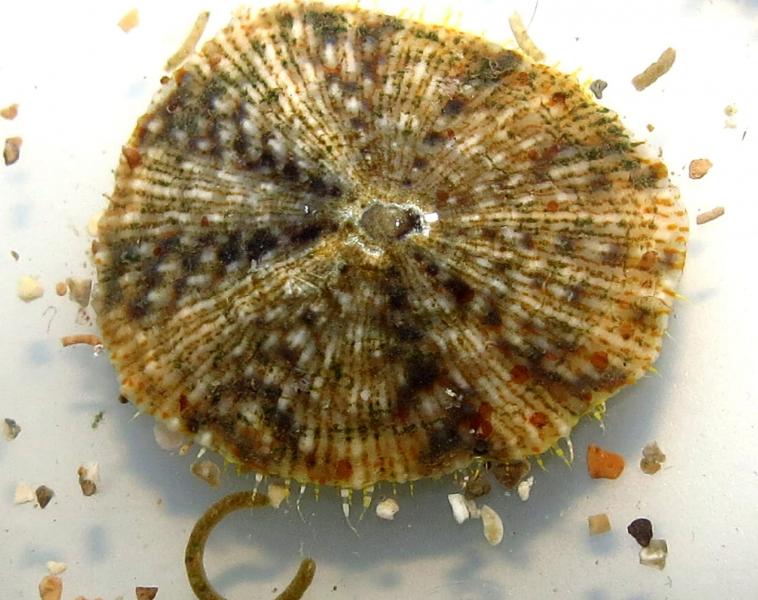
המחקר שלנו עוסק בהשפעה של טמפרטורת המים על התנהגות מינים שונים של צלחית ונערוך השוואה בין הצלחית המכחילה לבין הצלחית האלתית.
אנו עדים לכך שהסביבה הימית עוברת שינויים מרחיקי לכת במאות השנים האחרונות בשל פעילות האדם כמו: דיג יתר, מינים פולשים ושינוי אקלים גלובלי. הצלחית כאמור היא חלק ממארג מזון בסביבה המימית. הצלחית ניזונה ממגוון רב של אצות חשובה למארג המזון מכיוון שהצלחית ניזונה ממגוון סוגי אצות שחלקן אכילות וחלקן רעילות. הצלחית אוכלת את כל סוגי האצות וכך היא מסננת את האצות הרעילות מהים ולמעשה מנקה" את הים.
יחד עם זאת, ההתחממות הגלובלית שאנו עדים לה הינה אחד מגורמי השינוי האקולוגי המשמעותיים ביותר בכדור הארץ, הן ביבשה והן בים. נתונים מצביעים על כך שמאז שנות השמונים של המאה הקודמת, טמפרטורת פני הים עלתה בחופי ישראל עליה גבוהה בקנה מידה עולמי.
כאמור, שינויים אלה יכולים לפגוע בתפקודם של מינים מסוימים, ובצלחית הנחקרת. שאלת המחקר שלנו תעסוק בהשפעת טמפרטורת המים על התנהגות מינים שונים של הצלחית. אנו משערות שככל שהמים יהיו חמים יותר הצלחית תעלה קרוב לפני הים מכיוון שככל שטמפרטורת המים גבוהה יש פחות חמצן מומס במים וכשהמים קרים יותר יש יותר חמצן במים. את התצפיות נערוך במעבדות האשכול הפיס.
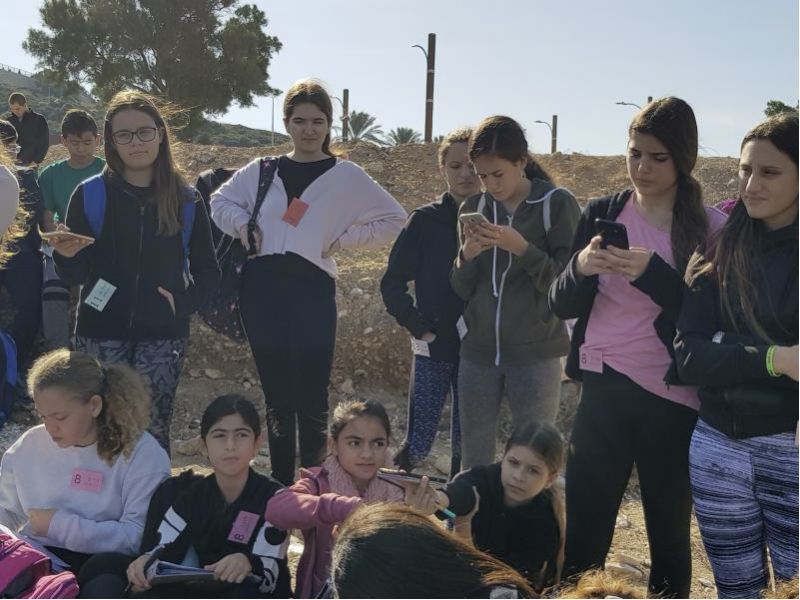
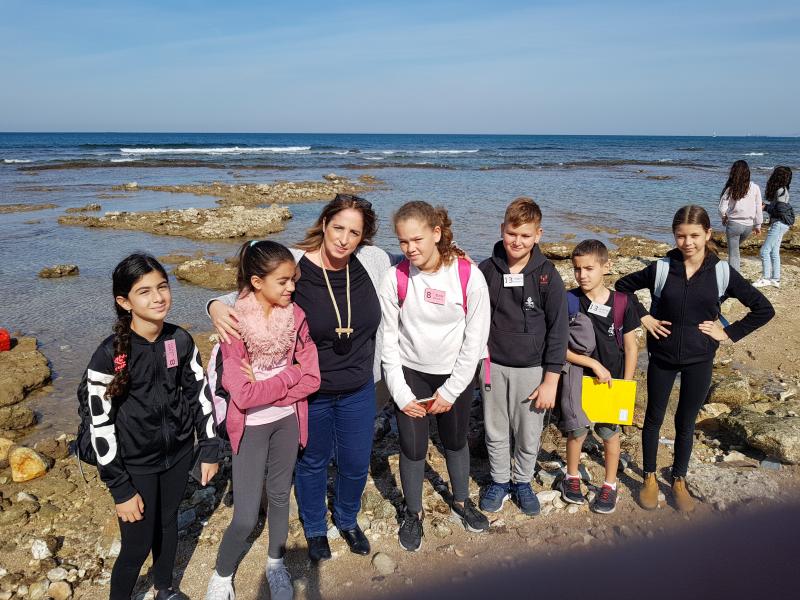
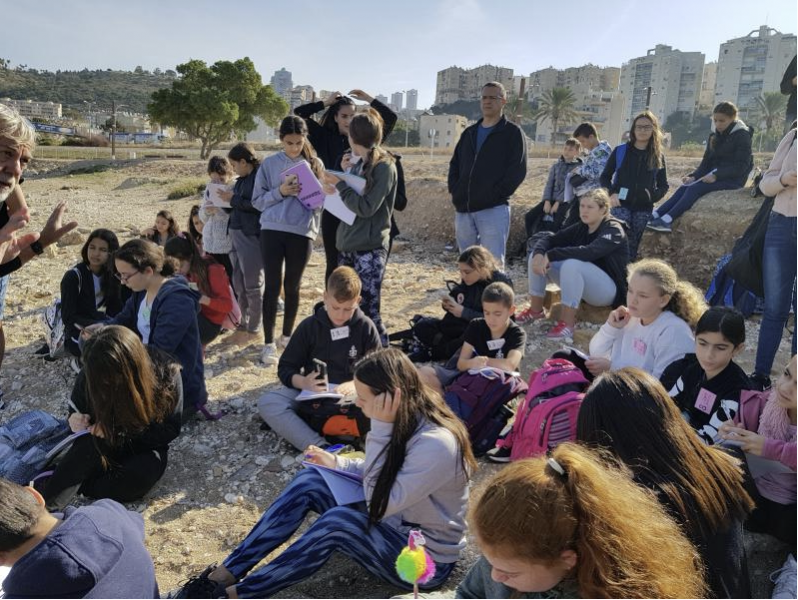
במסגרת החקר יצאנו לסיור בחוף שיקמונה בכניסה בדרומית לחיפה. מוטי מנדלסון, חוקר ימי חשף אותנו לבעלי חיים ימיים שונים.
Imagine
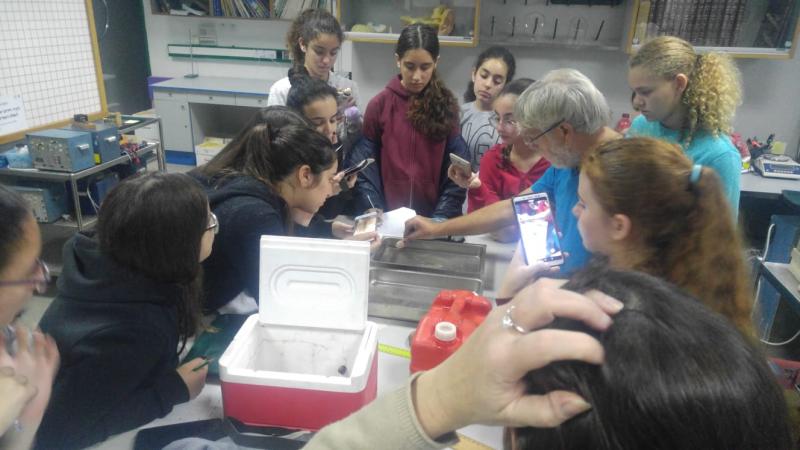
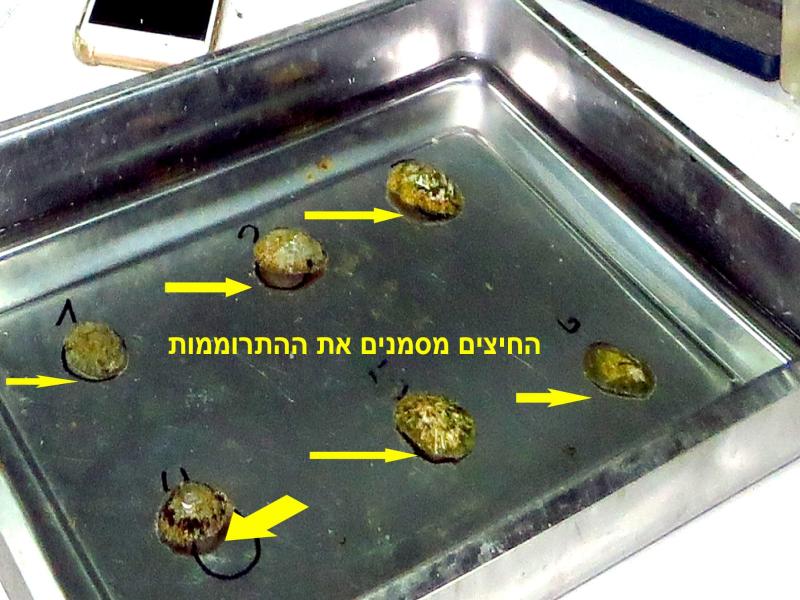
כדי לענות על שאלת המחקר ולבדוקהאת ההשפעה של טמפרטורת המים על התנהגות הצלחיות ערכנו ניסויים באשכול הפיס יחד עם החוקר הימי, מורות למדעים בחטיבה וביסודי, מנהלת אשכול הפיס והלבורנטיות. בניסויים שיינו בכל פעם את טמפרטורת המים ומדדנו את גובה התרוממות הצלחיות מהקרקעית.
Create
כאמור רצינו לבדוק מה ההשפעה של טמפרטורת המים על תנועת הצלחית. שיערנו כי:
.טמפרטורות המים משפיעה על התנהגות הצלחית.
ככל שטמפרטורת המים גבוהה יותר הצלחית תתרומם גבוה יותר מהקרקעית מכיוון שבטמפרטורת מים גבוהות ריכוז החמצן נמוך יותר. החמצן דרוש לנשימת הצלחית , אותו היא תנסה למצוא על ידי התרוממות מהקרקעית לאוויר .
ככל שטמפרטורת המים נמוכה יותר הצלחית תיצמד יותר לקרקעית המים מכיוון שבטמפרטורת המים נמוכות יותר ריכוז החמצן במים גבוה יותר בהשוואה לטמפרטורות גבוהות.
שיערנו גם כי נמצא הבדל בין התנהגות הצלחית המכחילה בטמפרטורות שונות של מים לבין התנהגות הצלחית האילתית.
על מנת לבדוק את השערת המחקר תכננו ניסוי שבודק את השפעת טמפרטורת המים על התנהגות הצלחיות (צלחית מכחילה וצלחית אילתית).
מה עשינו?
כדי לוודא שהתוצאה אינה מקרית ערכנו תצפית על 6 צלחיות מסוג צלחית מכחילה ו – 6 צלחיות. מכיוון ובניסוי לא יכולנו לבטל את הגורם המשפיע שהוא טמפרטורת המים, ערכנו בקרה השוואתית בין 6 צלחיות מאותו סוג. כל אחת מהצלחיות היוותה בקרה ליתר הצלחיות.
א. לוקחנו תבנית ,ממלאנו אותה במי ים שחוממו ל 20.7 מעלות ומכניסים לתוכה את 6 הצלחיות המכחילות ומדדנו את תנועת הצלחיות (גובה ההתרוממות של כל אחת מהן מהקרקעית) בעזרת סרגל.(מ"מ)
ב. רשמנו את התוצאות בטבלה.
ג. הוצאנו את הצלחיות מהתבנית.
ד. העלינו את טמ"פ המים ל-30 מעלות צלסיוס (חימום מי ים בגזייה). נפח המים זהה.
ה.הכנסנו שוב את הצלחיות לתבנית ומדדנו בעזרת סרגל את גובה ההתרוממות של כל אחת מהן מהקרקעית (מ"מ) .
ו. מוציאים את הצלחיות מהתבנית וחוזרים על הפעולה עם מי ים בטמפרטורה 40 מעלות.
ז.הורדדנו שוב את גובה הצלחיות ביחס לקרקע בעזרת סרגל.
ח. רשמנו את תוצאות המדידות בטבלה.
ט. באותו אופןביצענו את המדידות עם צלחית אילתית (6 במספר)
מה גילנו?
מהמחקר שלנו עולה המסקנה כי לטמפרטורת המים יש השפעה על התנהגות כל אחד מסוגי הצלחיות. ככל שטמפרטורת המים גבוהה יותר הצלחית עולה אל פני המים וככל שטמפרטורת המים נמוכה יותר הצלחית נשארת קרוב לקרקעית.
הקושי העיקרי שהיה בחקר היה שעשינו את כל הניסויים בתנאי מעבדה ולא בתנאי טבע כלומר את הצלחיות שמנו על מגש מעבדתי ולא על סלע טבעי. ולכן התנהגותה הייתה שונה. ויכול להיות שהצלחית הרגישה מפוחדת למרות שהחוקר הימי ניסה לתת לצלחיות הרגשה כאילו הן בסביבתן הטבעית.
למחקרנו יש חשיבות רבה . ההתחממות הגלובלית שאנו עדים לה בשנים האחרונות יכולה להשפיע לרעה על מגוון המינים. הצלחיות ניזונות מאצות שאף חלק מאצות אילו גם רעילות. אם הצלחיות יעלמו יופר האיזון האקולוגי, כמות האצות תגדל, מה שיגרום לעכירות במים וקרני השמש לא יוכלו לחדור למים ולהגיע לצמחיה הזקוקה לה לתהליך הפוטוסינתזה. הצלחיות אוכלות מיני אצות רעילות שניזונות ממתכות רעילות כבדות. לולא אותן צלחיות נהיה עדים לזיהום ים.
Share
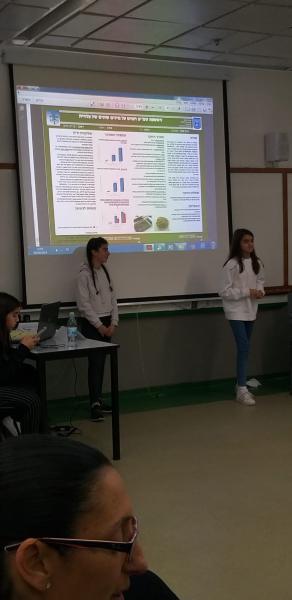
בסיום המחקר התקיים בבית הספר יריד בית ספרי. בשלב הראשון הצגנו את המחקר בפני תלמידי הכיתה ואחכ התקיים יריד בית ספרי בו הוצגו כל עבודות החקר. ביריד הצגנו פוסטר וכל תלמידי בית הספר שוטטו בסבבים ושמענו על המחקר.
בשלב השני נבחרנו להציג את עבודתנו בחטיבה מול מורי לחטיבות הביניים שבאו ולמדו על שיתופי הפעולה שלנו עם תלמידי החטיבה.
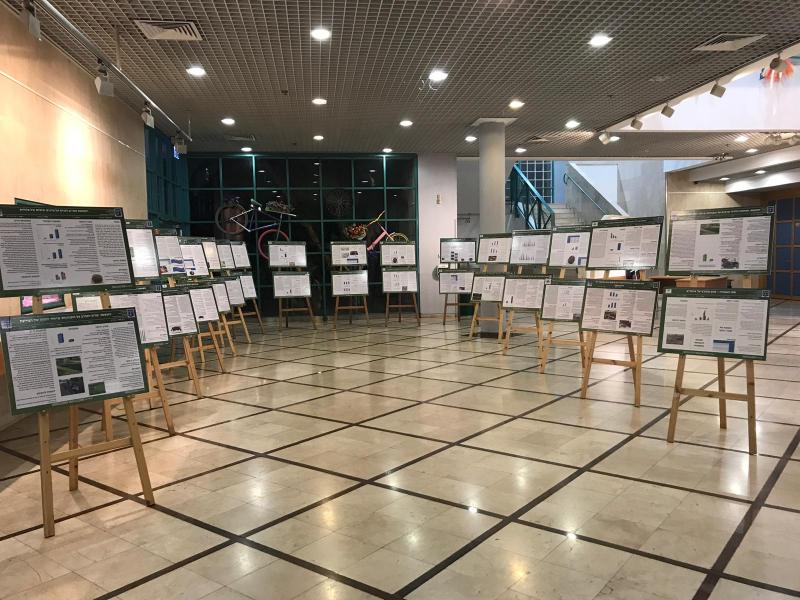
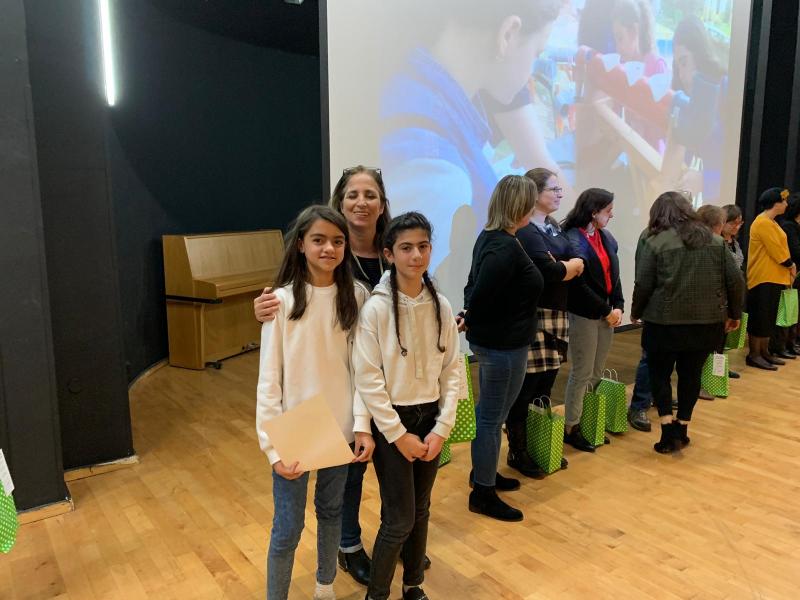
בשלב הבא התקיים יריד יישובי בו הוצגו עבודות החקר של תלמידי בתי הספר היסודיים ותלמידי כיתות ט מחטיבות הביניים מקרית חיים. היריד התקיים באשכול הפיס. שם הצגנו את המחקר שלנו מול חבר שופטים מהקהילה, מהעיריה וממרד החינוך. בסיום היריד הוכרזו מקומות הזוכים- זכינו במקום השלישי ואנו גאות מאוד בעצמנו.
החוויה היתה מהנה ומאתגרת.