Hosted by OSOS , contributed by smadarcohen30 on 27 December 2018
Development of a unique Hub to support inquiry based learning of 6th and 9th grade students. The core of the project is the support mechanism for the students and teachers which includes opening the school to a wide range of experts and mentors from the academic and the informal education community.
The inquiry process begins with a series of engaging meetings aimed to rise curiosity and introduce to the students the inquiry based learning process. School labs and other facilities, including relevant school staff, are open for students after school hours. The process comes to its peak with the regional science fair.
To read more about this project - CLICK HERE.
AVAILABLE PARTNERSHIP OPPORTUNITIES:
|
Local citizens with expertise in the subjects of the students' projects: a marine biologist, a public relations person etc. |
Content support |
|
The local zoo - http://www.haifazoo.co.il/
|
Support the inquiry based learning in the field of zoology |
|
Bird watching center - http://www.birds.org.il/he/bird-center-page.aspx?centerId=120
|
Support the inquiry based learning in the field of birds |
|
Botanical garden - http://www.oranim.ac.il/sites/heb/community/botanic/pages/default.aspx
|
Support the inquiry based learning in the field of botanic |
|
Ecological Greenhouse in Kibbutz Ein-Shemer - http://www.greenhouse.org.il/Profile.html |
Support the inquiry based learning in the field of agriculture |
|
Excellence project in STEM - http://www.alberto.org.il/Main/
|
Support the inquiry based learning in STEM education |
|
Policy makers from the Ministry of Education and local government and leading teachers from the school |
pedagogical support |
Responsible Research and Innovation
One of the key aspects of OSOS is the inclusion of RRI - Responsible Research and Innovation principles (more information at RRI-Tools.eu). This is how the NanoChannels Accelerator fits into the RRI model:
|
Governance |
students will seek to create a participatory governance, in which, together with the stakeholders, they can develop the activity and nourish each other's knowledge and experience.
I.e.: This Accelerator raises the support of several stakeholders who are experts in the subject that you want to raise (according to the interests and needs of the School). Students will be responsible, together with them, for setting the objectives of the activity, establishing a communication that, in addition to being transparent and reflective, is useful for improving the results. |
|
Public engagement |
Students will use science in this project in an interdisciplinary way and to involve stakeholders in different parts of the project, in order to share responsibility among all.
I.e.: students will be in contact with stakeholders, with whom they will share responsibility and make decisions collaboratively. The objective will be to improve the activity and the results obtained as it is carried out. |
|
Gender equality |
Students will establish research groups with gender equality, and will work to break the gender stereotypes that may be found in the issues raised in the project.
I.e.: students will create equal work groups in terms of gender, fostering a work environment without discrimination and in which they share the opinions of all. |
|
Science Education |
Students will encourage the participation of different agents of the environment in the activity, including them in the decisions to be taken within the project, in different phases.
I.e.: this Accelerator proposes to use the inquiry based learning methodology to learn, through a practical and innovative model, different questions related to the scientific field. |
|
Ethics |
Students will align the research with the social needs that arise in the topic chosen in this Accelerator.
I.e.: students will investigate the social needs of the environment in which the project is carried out, asking the stakeholders involved and proposing possible solutions to these challenges. |
|
Open Access |
Students will create an event in which they will teach, in a transparent and responsible way, the milestones achieved during the project, and will share materials with full reuse rights so that they can be used by others.
I.e.: students will organize an event in which they will teach stakeholders about the progress made during the activity. For this event, students will create a series of materials that they will also share online, through a specific website with content reuse licenses. |
RESOURCES NEEDED:
Leading teachers from the school and some local experts require payment. A fully equipped school lab. Budget for buses to visit the educational centers. Help in preparing and operating the regional science fair.
The materials needed depend on the specific projects that will be done by the students
Feel
בעבודה זו חקרנו את ההשפעה של צורת העורב על התנהגות שיחור המזון של המיינות במדשאה של בית העם בקריית חיים.
שיחור מזון הוא כינוי לכלל התנהגויות הקשורות בחיפוש ואיסוף מזון, ציד ואכילה בבעלי חיים.
כאמור, מיינה היא מין פולש שהובא על ידי האדם לסביבה חדשה בה שכיחותו עולה משמעותית . המינים הפולשים מהווים איום מרכזי למגוון המינים וליציבות המערכות האקולוגיות בטבע. למינים פולשים תכונות שונות המקנות להם יתרון על המינים המקומיים בסביבות החדשות. מחקרים מראים את יכולתה של המיינה לנצל אינטראקציות חיוביות עם ציפורים מאותו המין או ממינים אחרים, על מנת להקטין את סיכון הטריפה ולהעלות את הצלחת השיחור.
לשאלת החקר שלנו יש חשיבות רבה. אם נמצא כי נוכחות של הקופסה המדמה את העורב משפיעה על התנהגות שיחור מזון של המיינה , הרי שחסכנו הרבה כסף. לא נצטרך להשקיע כסף רב בהצבת דחלילים.
לצורך כך עשינו תצפית שבה נעזרנו בקופסת נעליים בצבעים של עורב אפור, שמנו אותה על הדשא ותצפתנו על המיינות. אנו משערות שצורת העורב תשפיע על התנהגות שיחור המזון של המיינה. את התנהגות שיחור המזון אנו נבדוק באמצעות מספר הניקורים שלהן בדקה.
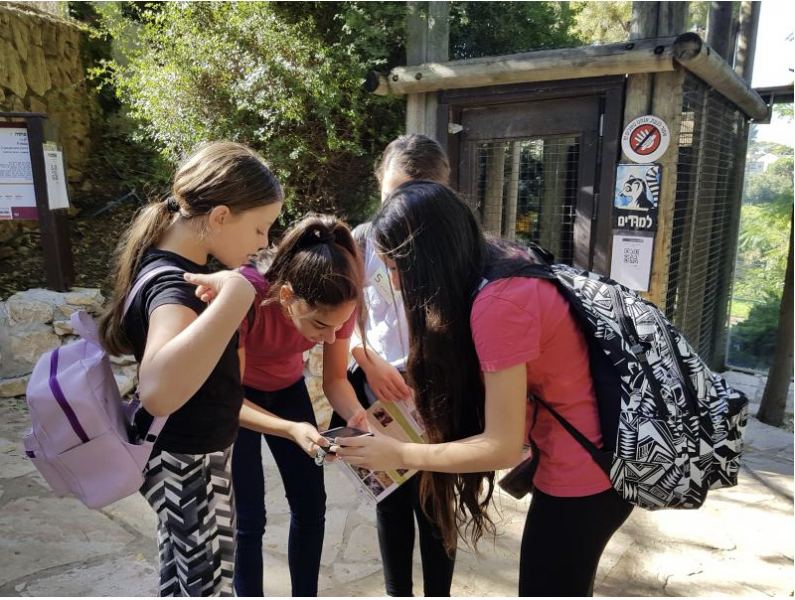
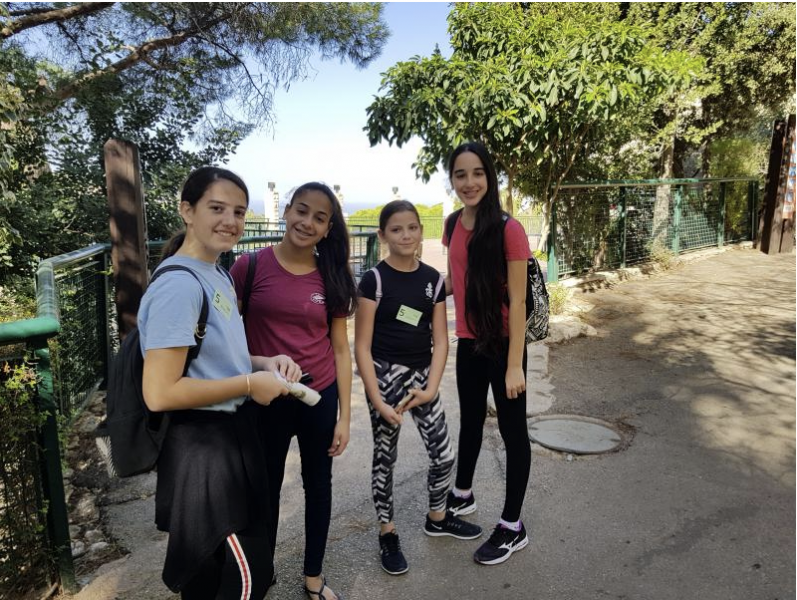
עוד לפני ביצוע המחקר יצאנו לסיור חשיפה למכון הביולוגי בחיפה. שם קיבלנו מידע על ציפורים, לימדו אותנו כיצד לבצע תצפית ואיך לזהות ציפורים. את המחקר עשינו במדשאות קרית חיים ליד החטיבה.
לכל אורך המחקר ביצענו את המחקר עם 2 בנות מחטיבת הביניים והיה מהנה ומעצים.
Imagine
כדי לפתור את בעיית שיחור המזון של המיינה העלנו כמה השערות אותן היינו צריכות לבדוק:
- יש השפעה של צורת העורב על התנהגות שיחור המזון של המיינות.
- צורת העורב תשפיע על התנהגות שיחור המזון של המיינה. בנוכחות העורב (הקופסה) מספר הניקורים יעלה שהרי המיינות והעורבים הם מינים המתחרים על המזון. בנוכחות עורבים תתגבר ההתנהגות של שיחור מזון .
- ללא ההתערבות (ללא נוכחות של עורב) . מספר הניקורים יהיה קטן יחסית למספר הניקורים בנוכחות עורב .
כדי לבדוק השערות אילו ביצענו מספר תצפיות במדשאת קרית חיים עם דף תצפית בו ספרנו את מספר הניקורים לדקה, מספר העורבים ומספר המיינות.
את התצפיות ביצענו יחד עם המורה למדעים שלנו סמדר ומורת החטיבה- לוטם. בחלק מהתצפיות עשינו לבד.
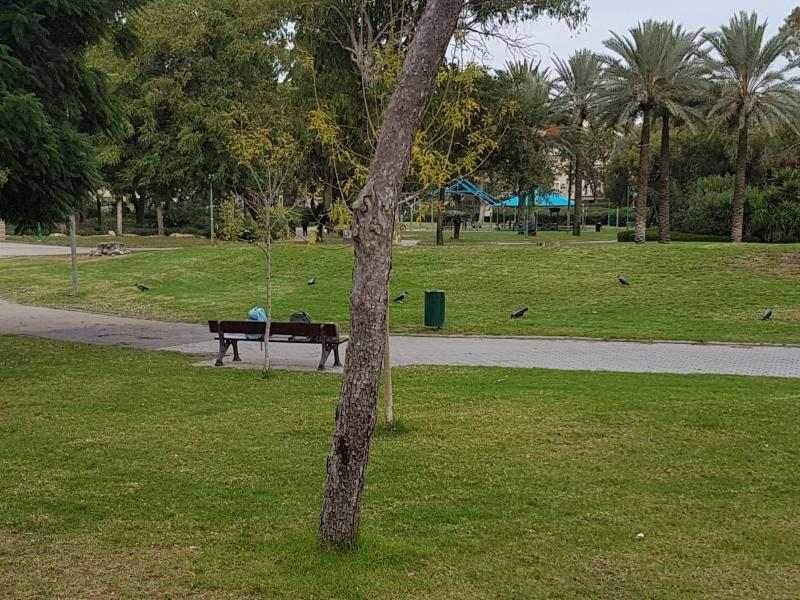
Create
על מנת לבדוק את השערת המחקר תכננו ניסוי שבודק את השפעת צורת העורב על התנהגות שיחור המזון של המיינה .: כדי להשוות את התנהגות שיחור המזון של המיינה עורכים תצפית ללא נוכחות העורב (הקופסה) ומשווים אותה לתצפית עם קופסה (עורב).
תוצאות המחקר מראות
שצורת העורב משפיעה על התנהגות שיחור המזון של המיינה.
בנוכחות עורבים (התערבות) : ממוצע תדירות הניקורים של המיינות הינו 7.882. ממוצע זה הוא גבוה יותר מאשר ממוצע תדירות ניקורים ללא התערבות (בקרה). ממצאים אילו מצביעים על העובדה שנוכחות של עורב בסביבת המיינות מגביר את תדירות הניקורים ואת התנהגות שיחור המזון של המיינות. השערתנו אוששה. ניתן להסביר ממצאים אילו על סמך העובדה שהמיינות והעורבים הם מינים הנמצאים בתחרות על המזון. מיינה היא מין פולש. המיינה עלולה לדחוק את המינים המקומיים (במקרה שלנו העורבים) בתחרות שלה על מקורות המזון. נוכחות של עורבים מעודדת התנהגות שיחור מזון בקרב המיינות.
ללא נוכחות עורבים (בקרה) : ממוצע תדירות הניקורים של המיינות הינו 1.724. ממוצע תדירות ניקורים אילו קטן מזה שבנוכחות עורבים. השערתנו אוששה מכיוון ששיערנו שללא התערבות העורב כמות הניקורים תהיה קטנה יחסית מכמות הניקורים ליד הקופסא והתצפית הוכיחה את זה. כשאין עורבים מתחרים בסביבת המיינות הן משחרות מזון בתדירות סבירה יחסית לנוכחות העורבים.
במהלך העבודה נתקלנו בקשיים שונים ואחרים לפעמים לא היה לנו באזור שתצפתנו עליו מיינות כך שלא
יכולנו לתצפת עליהן ובגלל זה גם עברנו מקום לתצפת עליו כך שזה גם הקשה עלינו. היו גם ימים עם מזג
אוויר גשום כך שלא יכולנו לבצע את התצפית באותם תנאים כמו כל שאר התצפיות. קושי נוסף שעלה הוא הפרעה ורעשים של ילדים, כלבים ששוטטו באזור התצפית וקשה היה לבודד גורם זה במחקר.
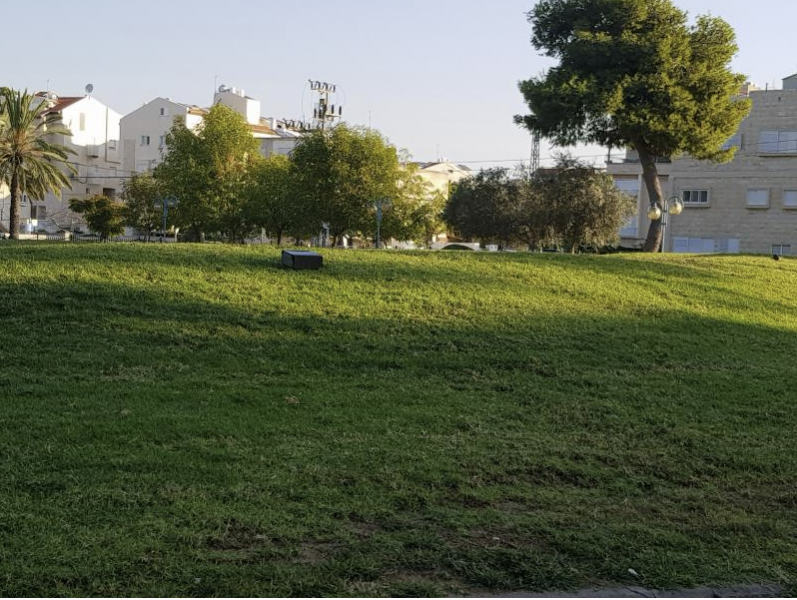
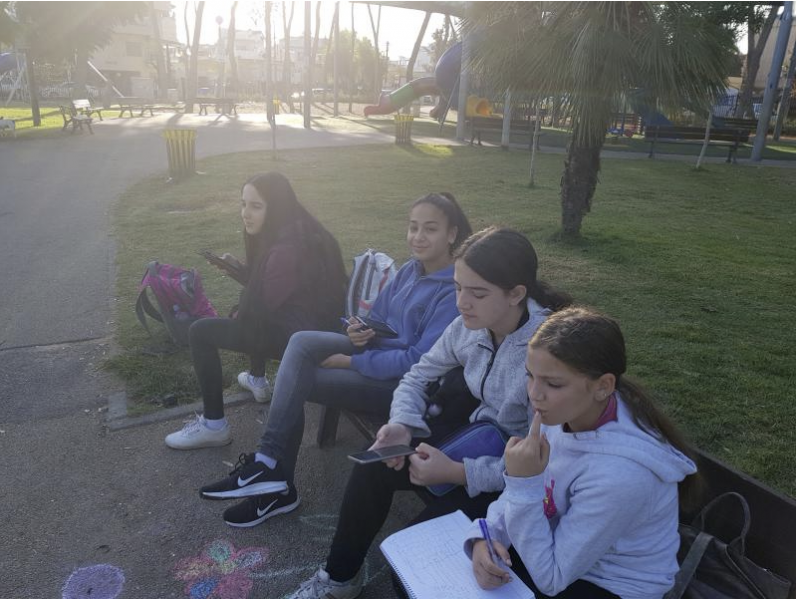
Share
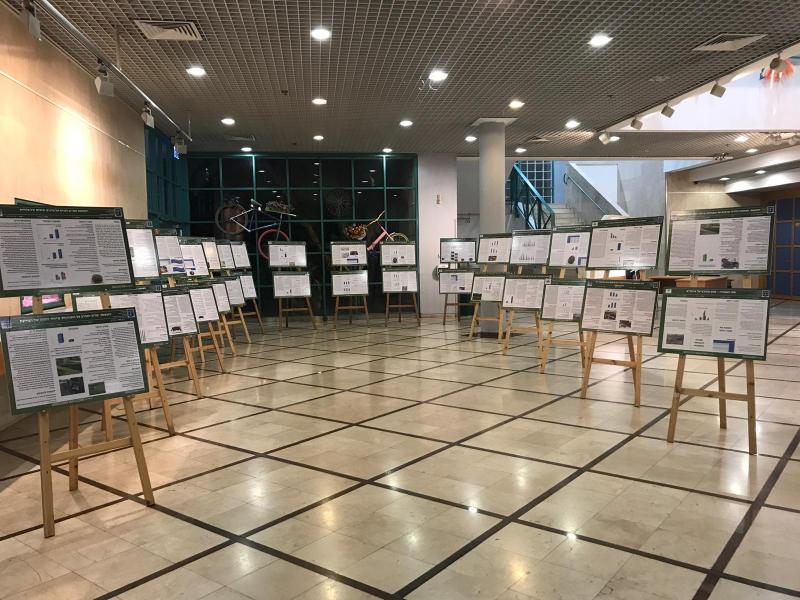
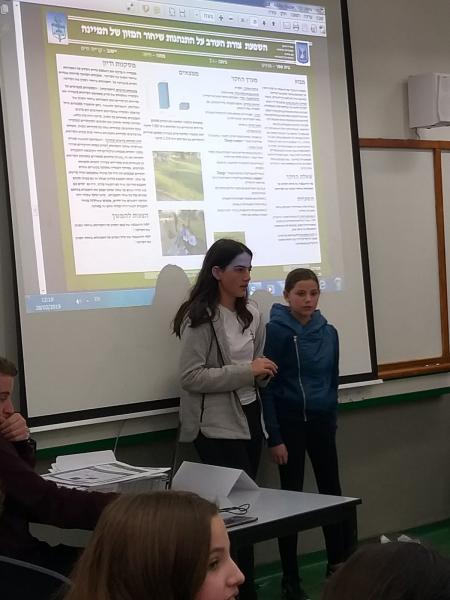
בסיום המחקר התקיים בבית הספר יריד בית ספרי. בשלב הראשון הצגנו את המחקר בפני תלמידי הכיתה ואחכ התקיים יריד בית ספרי בו הוצגו כל עבודות החקר. ביריד הצגנו פוסטר וכל תלמידי בית הספר שוטטו בסבבים ושמענו על המחקר.
בשלב השני נבחרנו להציג את עבודתנו בחטיבה מול מורי לחטיבות הביניים שבאו ולמדו על שיתופי הפעולה שלנו עם תלמידי החטיבה.
בשלב הבא התקיים יריד יישובי בו הוצגו עבודות החקר של תלמידי בתי הספר היסודיים ותלמידי כיתות ט מחטיבות הביניים מקרית חיים. היריד התקיים באשכול הפיס. שם הצגנו את המחקר שלנו מול חבר שופטים מהקהילה, מהעיריה וממרד החינוך.
החוויה היתה מהנה ומאתגרת.