Hosted by OSOS , contributed by nabel11 on 15 April 2019
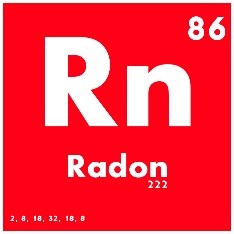 This is a Citizen Science project focused on radon gas.
Radon is a gas without flavor, odorless and colorless. It comes from the ground and from building materials such as cement and ceramics, dispersing in the air, so that each structure has a certain concentration of radon. Even at home and in your class. Radon levels are usually small and harmless, but long-term exposure to high concentrations of radon can have serious medical consequences.
The Radon Survey is a new project designed to map the radon concentrations in buildings in Israel and thus raise awareness of the presence of gas and ways to protect it. The Radon Poll project was developed in cooperation with the Center for Excellence in Citizen Science at the School and the Faculty of Civil and Environmental Engineering at the Technion, and offers an opportunity for students to take part in a unique and authentic environmental study. In the framework of OSOS we take the basic project and develop in to be used as a platform for kids-teaching-kids.
Project Objectives
The aim is that students will learn about the characteristics of the gas and the health risks involved in it. After learning about the problem, the students conduct measurements in their own homes and in public buildings in their local surrounding. They use both the theoretical knowledge they gain and the empirical findings to raise the public's knowledge about this rather unfamiliar phenomenon.
Acquired knowledge and skills
Participation in the project enables the development of statistical thinking among students through research, in an environment enhanced technology. For this purpose, the CODAP site is used, which provides an environment for statistical performance in an inviting and non-computational manner, thus enabling the development of statistical understanding.
Radon gas is linked to science curricula in different subject matters:
- Chemistry: gases, radioactivity, adsorbents, activated charcoal
- Biology: respiratory system
- Environment studies: radon, radiation
- Health care systems, health sciences
Opportunities to collaborate with stakeholders
As part of the project, teachers will have a short training by proffesionals from the Center for Citizen Science (TCSS) at the Technion Institute.
The students will study three to six lessons (according to the teacher's preference) on radon and its measurement, using lesson plans written by the TCSS. They will also learn about the subject with a lecture given by one of the researchers.
Later on, the students will perform radon gas measurements at the school and in their homes, and upload the data to the national database of the project. This will include involvement of the students' families.
At the end of the process, a product will be prepared to help raise awareness of the issue among the community and / or other schools (by transferring activities to primary school students). The project has a national contribution to society and the community: It is a national educational project that provides important information to the public on the Radon problem by increasing awareness of Radon gas, its dangerous effects and methods of risk reduction.
Feel
بعد تحديد الموضوع مع المندوبين من التخنيون ومجموعة اوزوس عن مشكلة غاز الرادون والتي لا يتم بحثها في المجتمع في السنوات الاخيرة , تواصلت مع بلدية سخنين قسم الهندسة والصحة ووحدة البيئة التي تهتم بهذه الامور , اتضح ان هذا الموضوع غير مدرج في حساباتهم وذلك بسبب التكلفة العالية للقياسات .
وبالتنسيق مع قسم التربية والتعليم قررنا فتح المجال امام المدارس الاعدادية والثانوية وبحضور مفتش المدارس . ومن بعدها تمت اافة مدرسة ابتدائية واحدة للمشاركة .
تم عقد اجتماع لمديري المدارس ومعلمي الموضوع في مركز العلوم مع ممثلين من اوزوس والتخنيون حيث تم عرض البرنامج وخطة العمل .
انا كمدير لمركز العلوم ومعلم في مدرسة طه حسين اخذت على عاتقي تنفيذ البرنامج في احد الصفوف التاسعة والتي اعلمها موضوع البيولوجيا .
تم ارسال موافقة خطية للاهالي على مشاركة الطلاب في المشروع . وبعد استلام الموافقة بدأ العمل مع الطلاب .
البداية كانت في تعبئة الاستطلاع الاولي المحوسب عن الموضوع من الطلاب , ومن بعدها العمل في مجموعات في البحث عن معلومات ومقاطع فيديوهات باللغة العربية .
معلم الكيمياء اعطى محاضرة عن الغاز من ناحية كيماوية .
معلم البيولوجيا اعطى محاضرة عن جهاز التنفس وعلاقته بالموضوع .
:نحن مجموعات طلاب من مدرسه طه حسين الاعداديه
شاركنا للمره الاولى في المرة الاولى بمشروع الرادون سوف نبحث بهذا القسم من الموقع
مواد نظريه عن عاز الرادون
وظائف من ناتج المجموعه
وحدة تعليميه تتضمن موضوع الردان
اسماء الطلاب المشاركين
غاز الرادون
ما هو غاز الرادون الرادون هو عنصر كيميائيّ يحمل الرمز Rn، وقيمة العدد الذريّ له في الجدول الدوريّ هي 86، وهو غازٌ عديم اللون والطعم والرائحة، ويعدّ الرادون خامس
عنصر كيميائيٍّ مشعّ، اكتشفاه إرسنت رذرفورد وروبرت بي أوينز في عام 1899م، واسمه مشتق من اسم العنصر الكيميائيّ الراديوم، وكان اسمه في بداية الأمر رادون نيتون، وهو اسم مشتقّ من الكلمة اللاتينية nitens وتعني اللامع. يعتبر الرادون عنصراً خاملاً كيميائياً، وغير قابلٍ للاشتعال، وهو سام جداً، حيث يعدّ ثاني أكثر المسببات لسرطان الرئة بعد التدخين، ويتشكّل نتيجة تحلل اليورانيوم والثوريوم، ونظراً لامتلاك هذين العنصرين عمراً قصيراً فإنّ الرادون سيتواجد مستقبلاً، كما يتشكّل الرادون نتيجة تحلل عنصر الراديوم الموجود في الصخور.
استخدامات الرادون طبياً: استخدم الرادون في أوائل القرن العشرين لعلاج بعض أنواع السرطان والعديد من أمراض المناعة الذاتية، مثل: التهاب المفاصل، وذلك عن طريق التعرّض للرادون المسمّى بهرمون الإشعاع في غرف صغيرة؛ وذلك قبل اكتشاف آثاره المسببة للسرطان الرئة. علمياً: يُستخدم لتوقّع حدوث الزلازل، رغم عدم اعتباره مصدراً
موثوقاً، كما استُخدم في التصوير الإشعاعيّ، إلّا أنّه استُبدل بالأشعة السينية؛ نظراً لأنّها أقلّ تكلفة وخطراً.
