
Hosted by OSOS , contributed by dmedvedovic on 26 May 2023
How we implemented our project with the support of technological solutions procured for our school through LfE funding
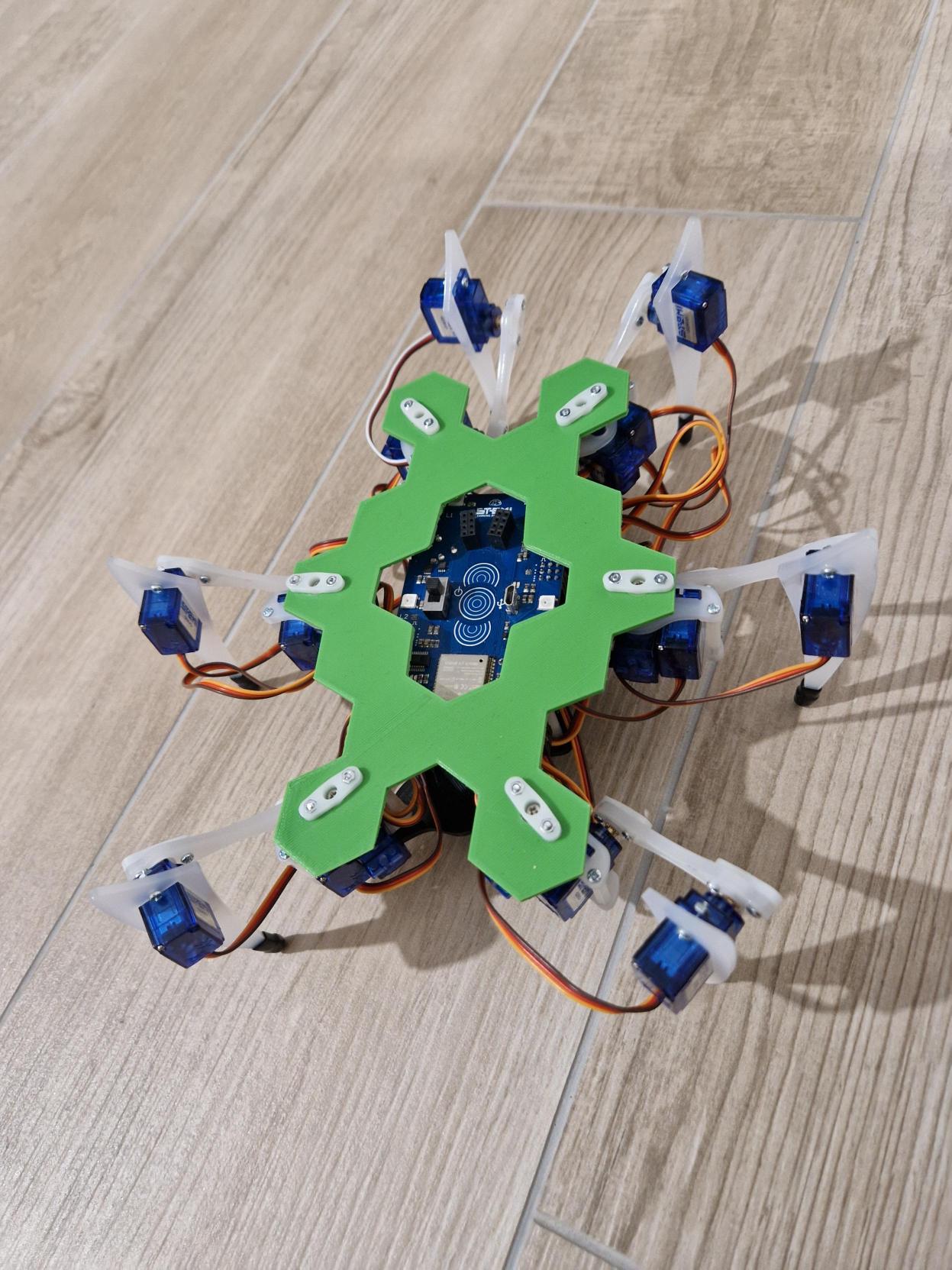
After acquiring the equipment consisting of 11 Hexapod robots, the first challenge began: how to assemble and run it?
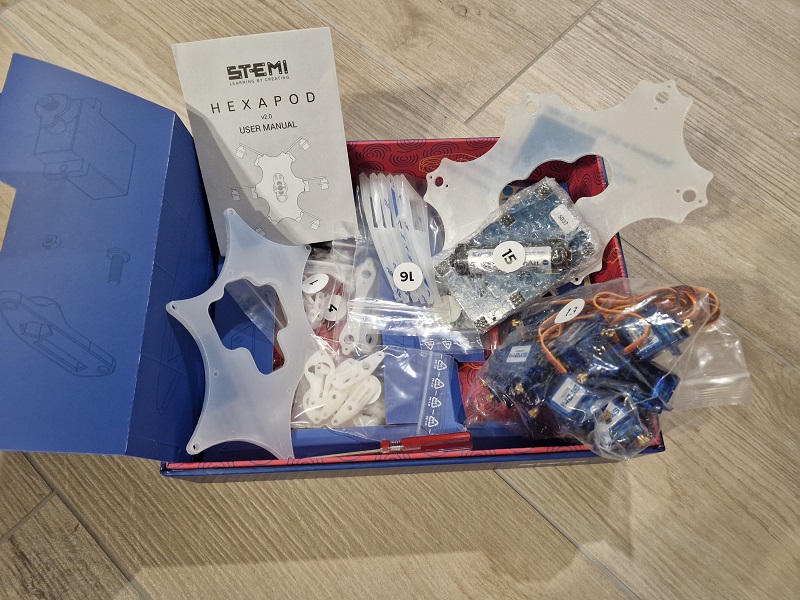
Fortunately, STEMI experts held a training for teachers where we learned how to use the STEMI platform, which contains various materials for teachers and students. Through the materials on the STEMI platform, students learned not only to assemble a robot, but also learned a lot about engineering work and the importance of good organization, precision, accuracy and project presentation.
 |
 |
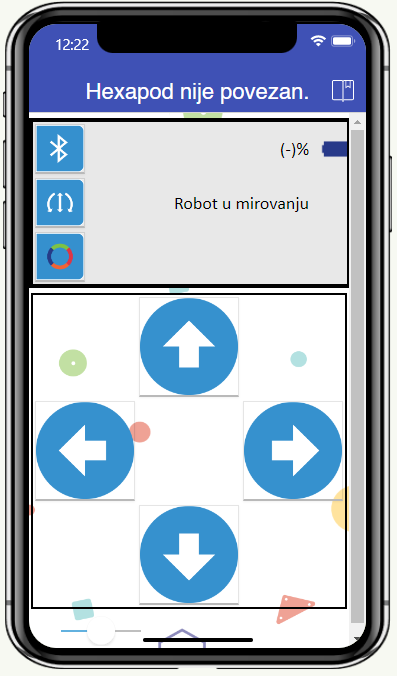
After assembly and calibration, it was necessary to program the application that would bring the Hexapod to life. Through a series of step-by-step video instructions, students created an app using MIT App Inventor. Using the application, the students also recorded a short film in which they tried out all the possibilities of controlling the robot.
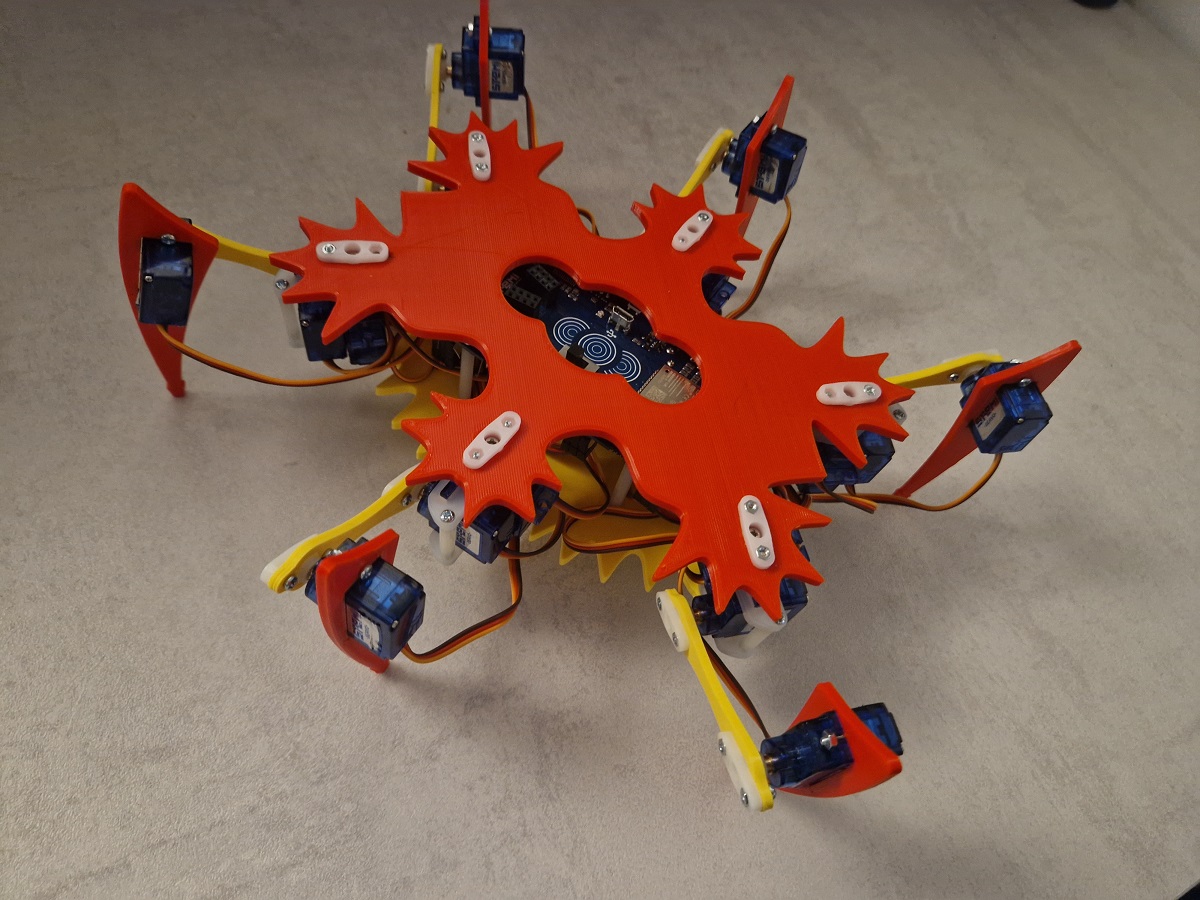
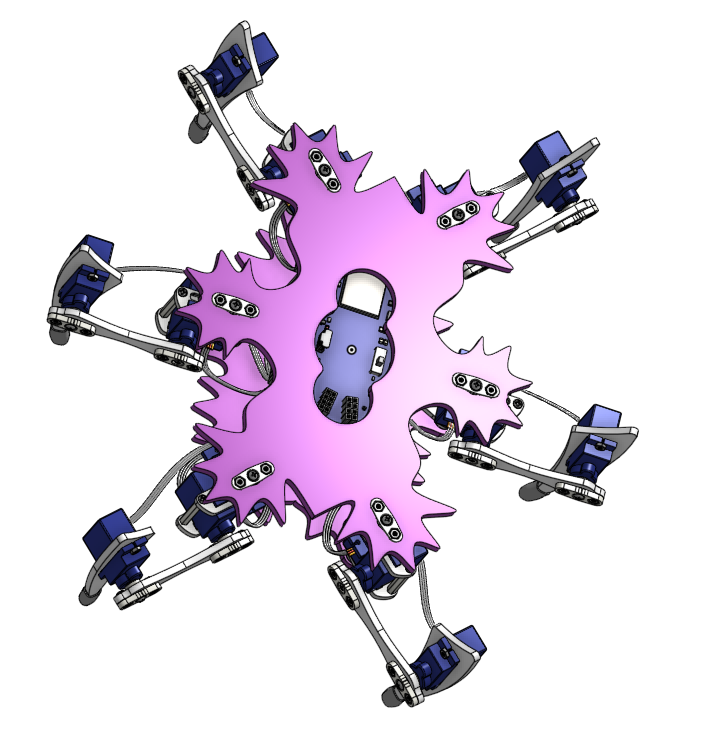
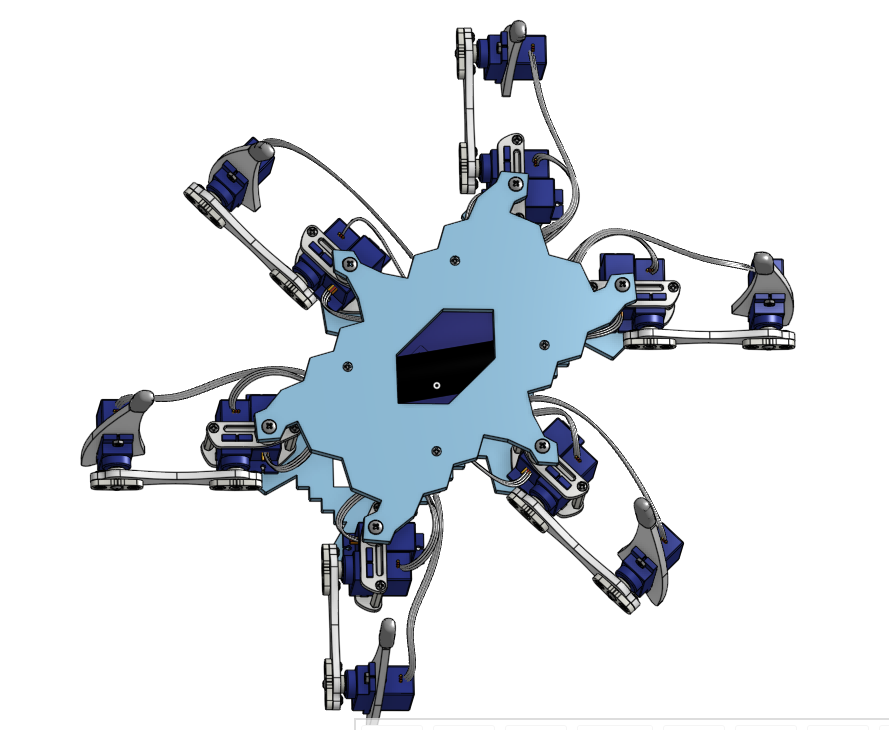
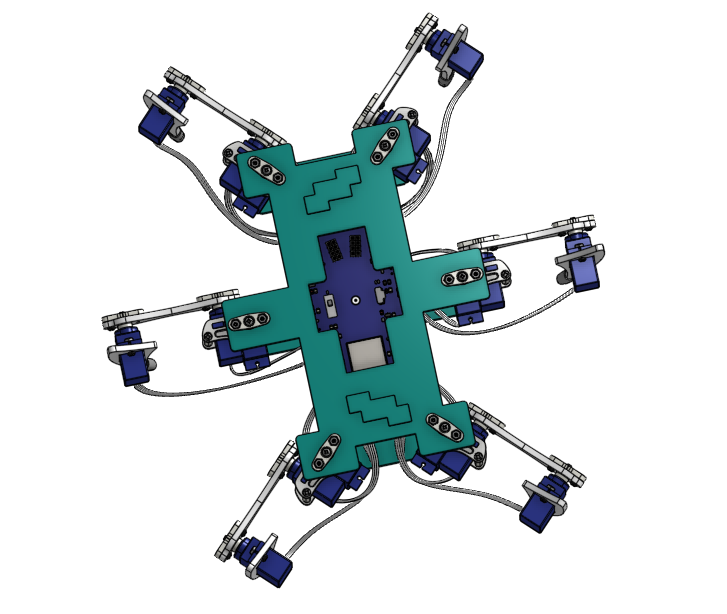
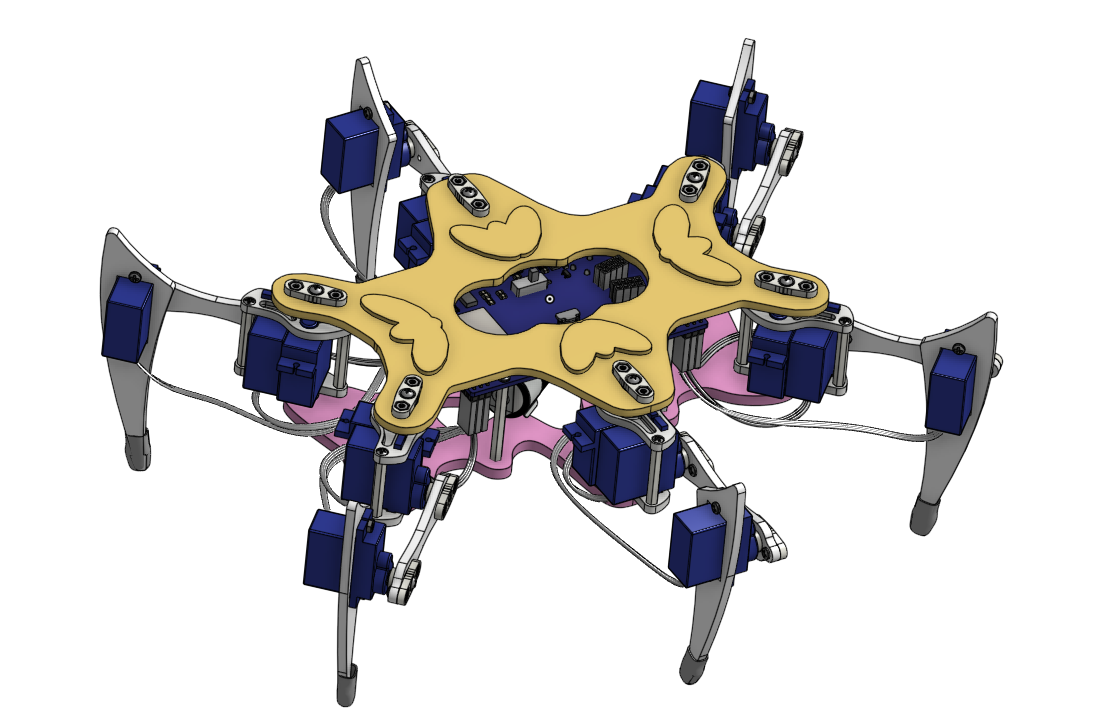
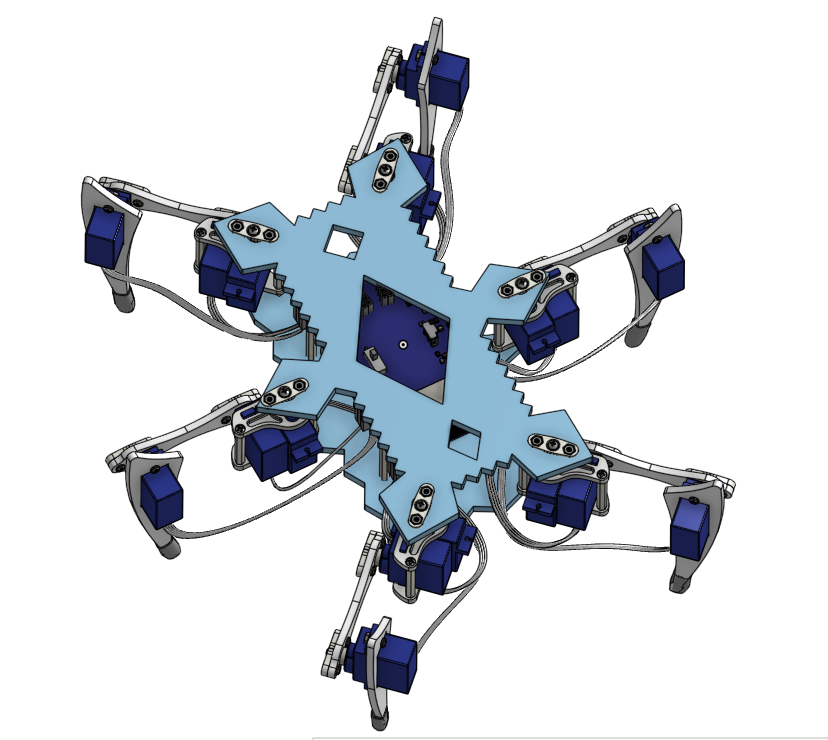
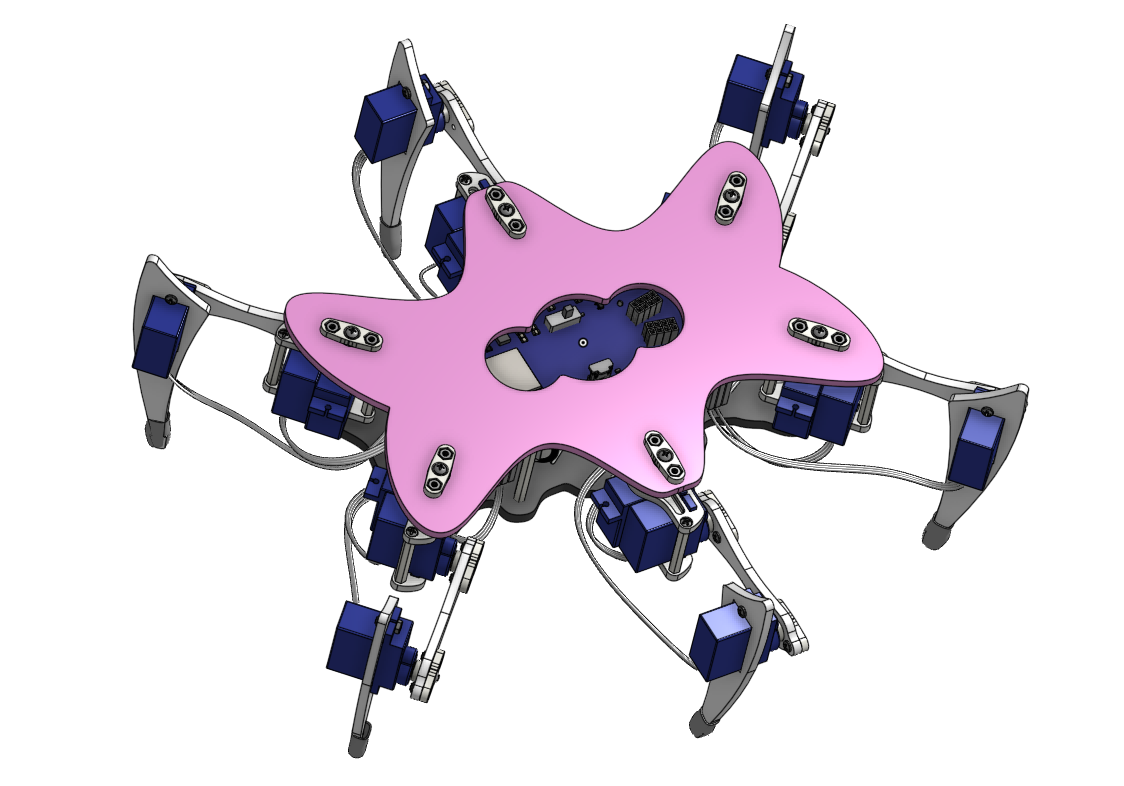
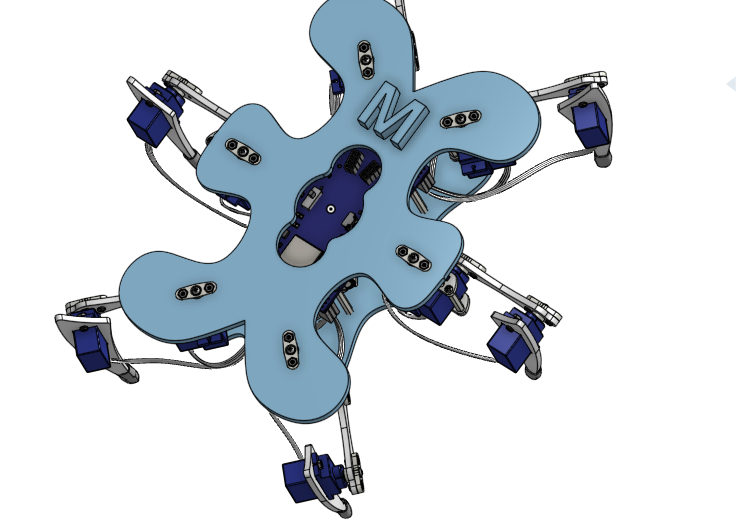
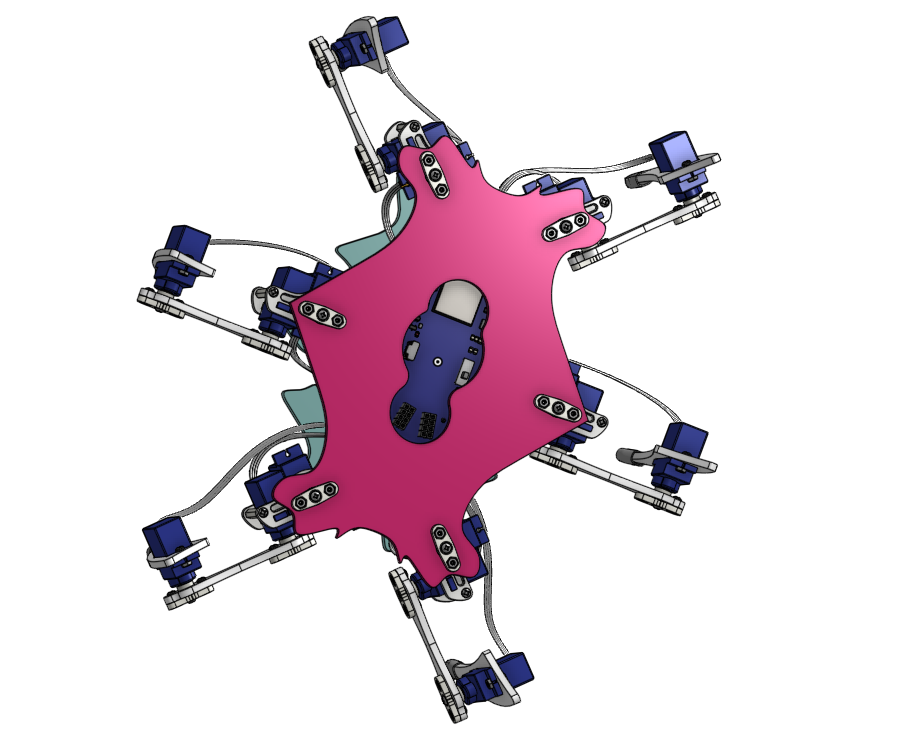
Through the following lessons, students acquired basic knowledge of 3D modeling and design techniques. Their skills developed day by day as they worked on making the parts of the Hexapod robot that would allow for smooth and stable movement. Through research, testing and experimentation, they managed to achieve an optimal design that met the standards of functionality and aesthetics. The students created 3D models of individual parts of the Hexapod using the Onshape tool.
 |
 |
 |
 |
|
|
|
|
|
|
In addition, they also made models of keychains with the motif of our school, which we plan to print on a 3D printer and hand them out to guests at some important school events. We printed selected Hexapod parts and replaced them on the robot itself. Furthermore, with the help of new lessons, the students mastered the programming of the robot's movement and LED lights, and we designed tasks in which the robot should move along a certain path and perform certain movements. They also programmed it to perform dance choreography.
There were no difficulties in acquiring the equipment and communicating with the supplier. The only difficulties arose when some students did not follow the instructions carefully, so they made mistakes. However, this is part of the learning process, and the goal was to encourage them to try to find out what the problem is and to try to solve it with critical thinking.. This project allows increasing the self-confidence of our teachers in implementing innovative teaching methods. Through equipment and services for robotics and artificial intelligence, our school received fundamental support for planning the implementation of new ideas. Through the activities of the project, the circle of knowledge will be increased to the wider community and prejudices will be removed that progress in the village school is neglected.
The relation of the project to the innovation plan of our school
This project brought innovative technologies related to robotics and artificial intelligence to our school. The students got to know the way of thinking and work of engineers, they learned how to divide tasks in a team and how to realize the ideas they imagined. The first part began with the assembly of the designed robot, then continued with the design of the robot in a software system for 3D modeling and ended with the programming of the robot to perform certain tasks. The STEMI platform enables a non-linear approach to teaching, in which students themselves choose what and when to learn, as well as the order in which they learn. Using the Hexapod robot, the students got to know the world of programming while creating a mobile application, and using the computer-aided design tool, they will design their own robot. They presented their acquired knowledge and skills with presentations in the classroom, and with creative videos they presented their work to the wider community.
The second part of the project will be focused on designing and creating a chatbot powered by artificial intelligence and machine learning. Through project activities, students will acquire skills necessary for the 21st century, such as collaboration, creativity, information and digital literacy, critical thinking and problem solving. Students will learn about the world of artificial intelligence as they create their own chatbot using a chatbot design application through the Design Thinking methodology.
Through the development of technological and presentation skills, we want to empower our students so that one day they will be more competitive in the labor market.
How our project relates to the rural school innovation strategy Strengthened organization and support for rural schools
This project makes it possible to increase the self-confidence of our teachers in implementing innovative teaching methods. Through equipment and services for robotics and artificial intelligence, our school received basic support for planning the implementation of new ideas. Through the activities of the project, the circle of knowledge will be increased to the wider community and prejudices will be removed that progress in the village school is neglected.
How our project relates to the Rural Schools Innovation Strategy Supporting Equity and Excellence in Rural Schools
The goal of the project is to reduce the gap between rural and urban schools. The goal is to improve the quality of education in rural primary schools with quality learning materials and the development of skills needed in the modern world.
Considering that for the students of our rural school, education is one of the main mechanisms for encouraging fairness and excellence. Quality teaching processes significantly increase the opportunities that open up after their education. Our students often do not have access to new and modern technologies and educational processes, and with this project we enable them to spread awareness about the professions of the future. Since today technology, such as robots and artificial intelligence, is increasingly used in primary and secondary activities that are mainly related to rural areas, it is important to familiarize students with the mentioned technologies as soon as possible and help them become independent and effectively apply their knowledge and skills.
How our project relates to the Rural Schools Innovation Strategy Supporting rural schools as communities and educational spaces
We expect that this project will create a positive atmosphere in the school and the local community, develop intrinsic motivation among students, increase the level of knowledge, abilities and skills and encourage them to continue their education.
ICT skills are very low on the priority list of our students and parents because
socioeconomic situations mainly deal with survival and jobs that will provide them with basic life needs. Given the lack of education of the parents, we want to raise awareness of the importance of these areas that could bring them better living conditions, provide students with developmental potential and increase their desire for further education.
We plan to involve other rural schools to use our equipment and educate other teachers, thus empowering and providing support to other interested rural schools.
Impact on students
Students develop the skills of critical thinking, problem solving, and communication and cooperation within the group. Through the learning method Learning with robots, they got to know new technologies and acquired basic skills in programming, creating mobile applications and 3D modeling, which they will later be able to easily upgrade through future projects.
Elementary School Rovišće
davorka.medvedovic@skole.hr