Hosted by SALL , contributed by papel on 20 May 2023
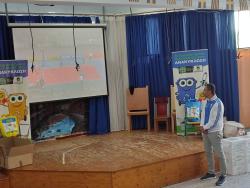
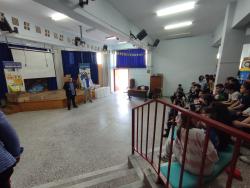
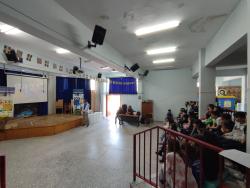
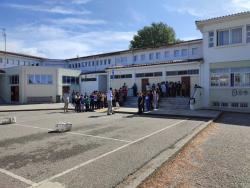
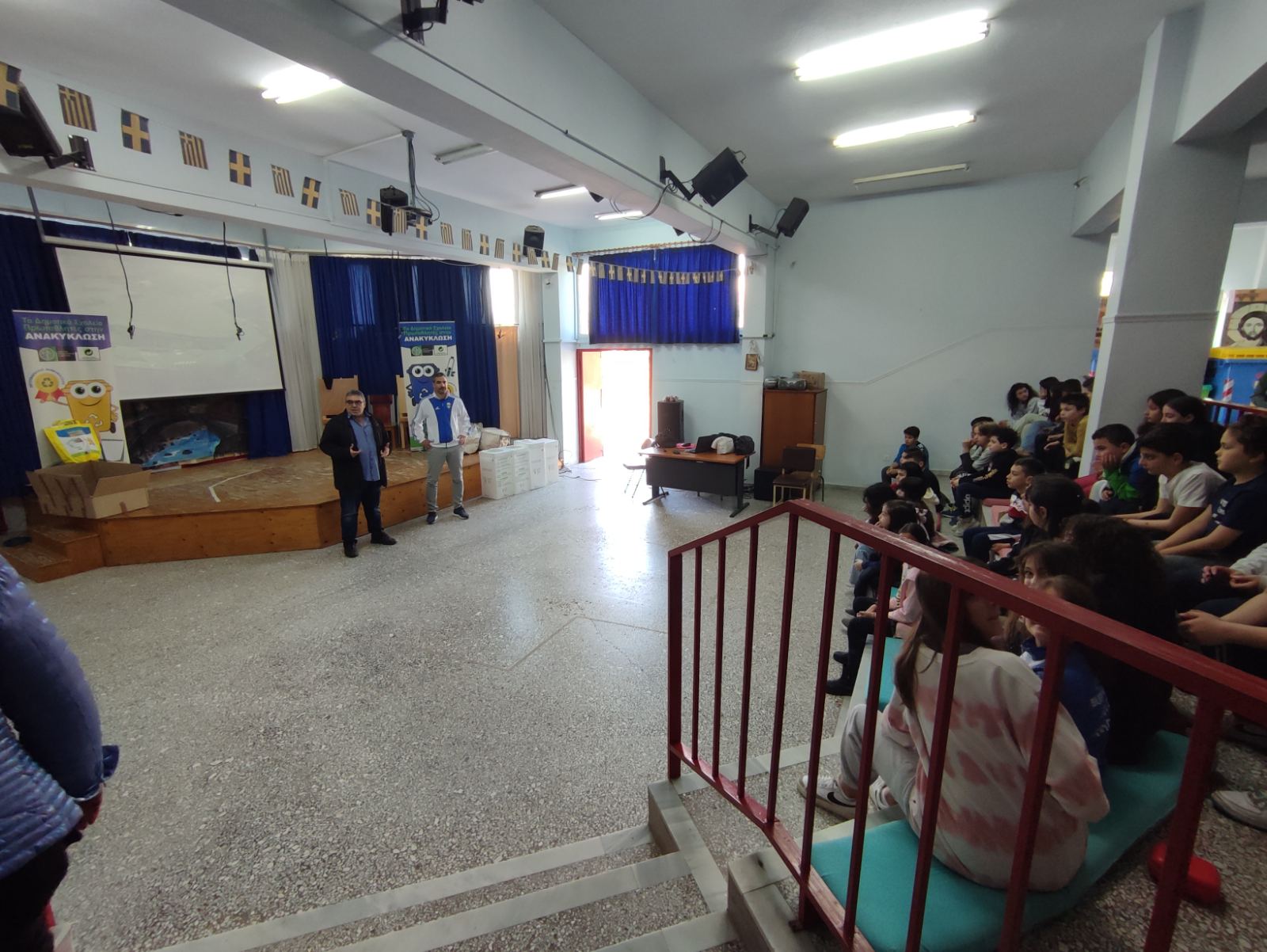
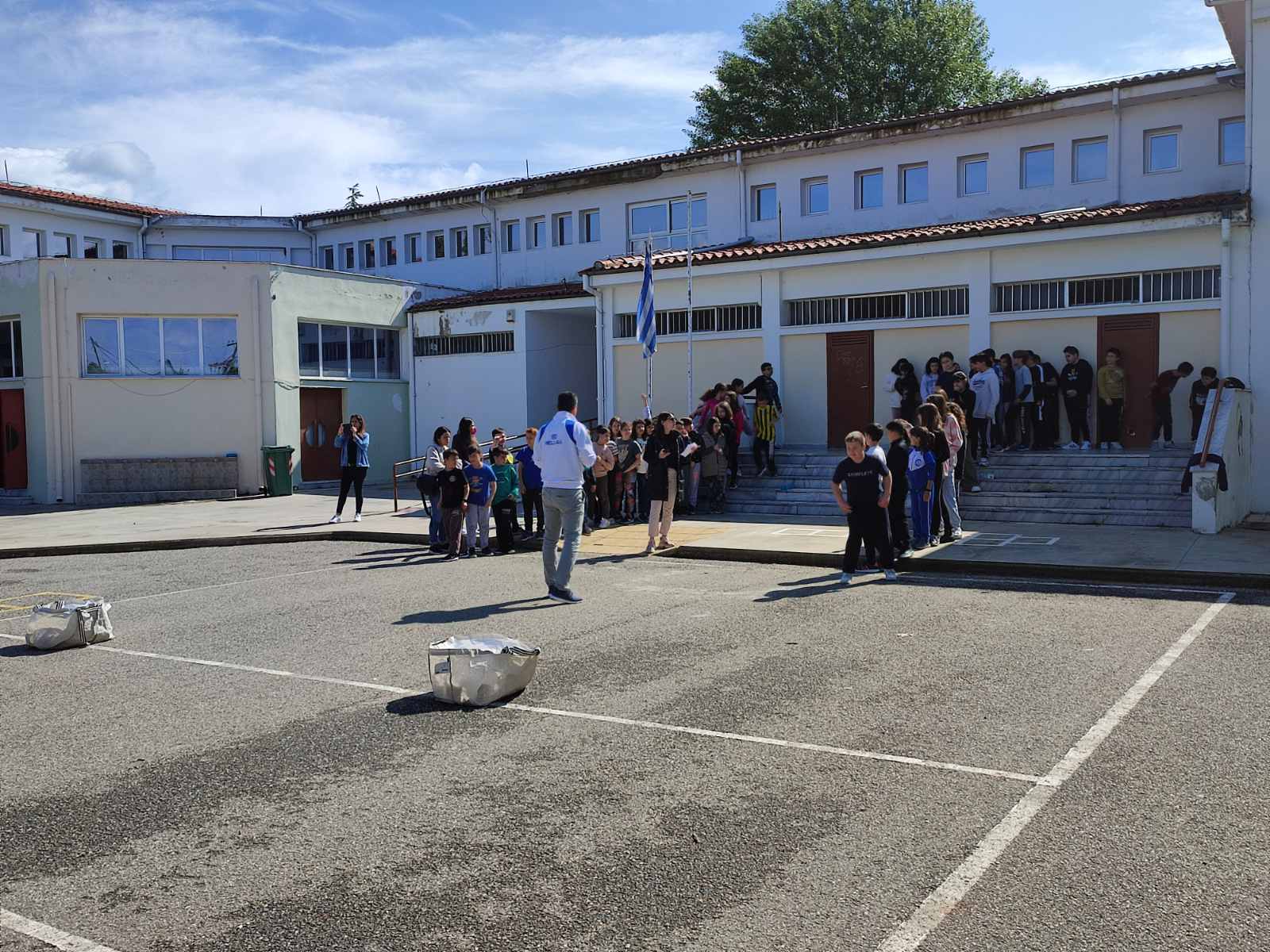
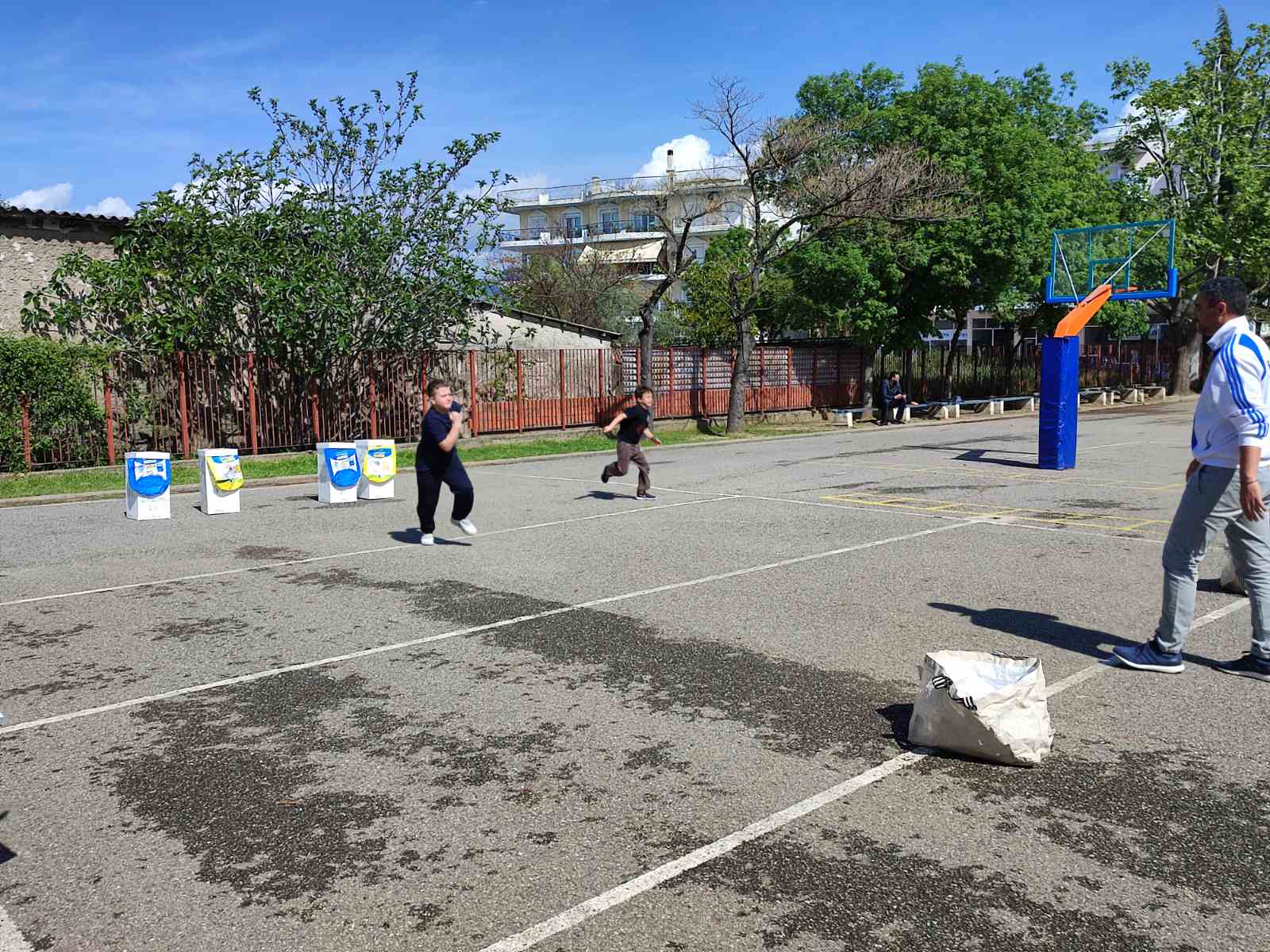
This project was created to make students aware of the importance of recycling and how crucial it is for the economy and environment together. We, as school staff, collaborated with local authorities and people from the athletic world to create interactive games through which students could learn the importance of recycling in our life in an interactive way. The municipality of Komotini and an Olympic athlete with his colleagues came to our school and organized the activities which kids loved.
Ιστορικό
Our school decides to imply the significant role of recycling in the environment. My class (sixth grade) made research about recycling and its importance and discussed it in the classroom.
As we were working on that we understood that separating recycling is also crucial to the procedure.
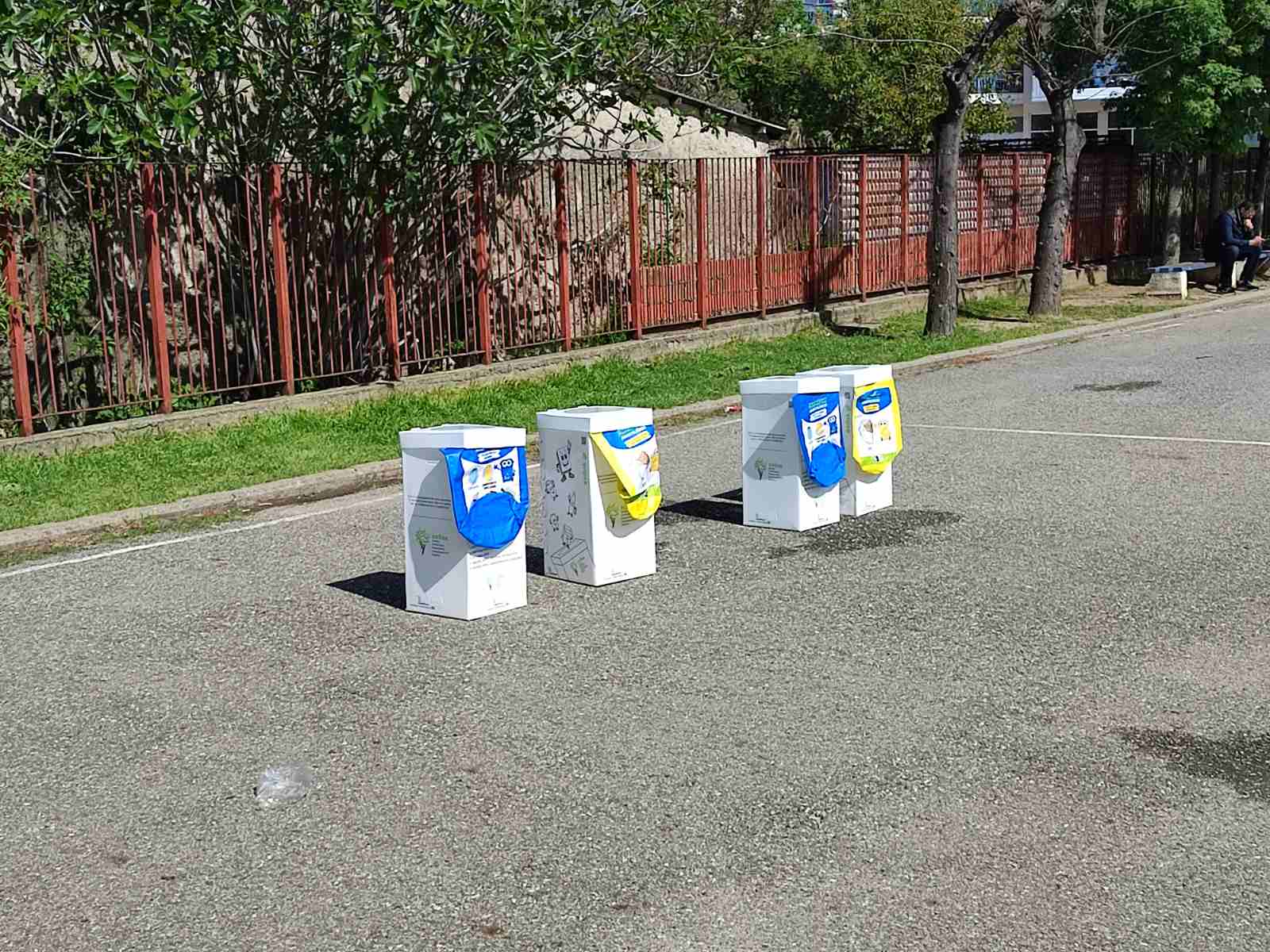
Separating recycling in different bins is important because it helps to keep materials clean and makes them easier to process and recycle, reducing contamination and promoting sustainability. Additionally, it allows for the recovery of more materials, reducing the amount of waste sent to landfills and conserving natural resources
Στόχος
The aim of the living lab project for primary school is to provide an innovative and interactive approach to teaching environmental sustainability and promoting positive behavior change in young students.
For this project, we have identified the problem of plastic waste in the school and local community. Plastic waste is a significant problem in many communities, and it poses a threat to wildlife and the environment. Our goal is to reduce plastic waste and promote sustainable behavior among students, staff, and the broader community.
The solution we have decided to work on involves implementing a plastic-free school program. This program will involve several steps, including educating students and staff about the problem of plastic waste, providing alternatives to plastic products such as reusable water bottles and lunch containers, and implementing strategies to reduce plastic use, such as using refillable markers and avoiding single-use plastics.
This project is relevant to students' personal experiences because it addresses a problem that they can relate to and provides an opportunity to learn about sustainability and make positive changes in their behavior. Additionally, this project is relevant to the community because it can serve as a model for other schools and families to follow, promoting a more sustainable approach to plastic use.
All involved actors benefit from the solution or participate in the living lab project. Students benefit from the opportunity to learn about sustainability and take an active role in promoting positive behavior change. Teachers benefit from the opportunity to teach environmental sustainability in an interactive and engaging way. The broader community benefits from reduced plastic waste and a more sustainable approach to living. Overall, the living lab project provides a collaborative and innovative approach to teaching sustainability that benefits all involved actors and promotes a healthier environment for the future.
Συνδημιουργία με κοινωνικούς φορείς
Living lab projects typically involve collaboration with various organizations and individuals in the community, including local government, non-profit organizations, businesses, and community members. The selection of partners depends on the specific goals and objectives of the project and the target community.
So we worked together with a role model, a volleyball olympic champion mr. Vasilis Kourneas. The town’s municipality helped in this by providing special and colorful recycling bins and some extra ones to use inside all the school's classrooms.
Revision log message
The project was successful as the students were thrilled with participation of their role model and they played several games relevant to recycling and its importance. A lot of hands-on experience was involved.
Εφαρμογή
- Co-Creation: In this phase, the team identifies and selects the problem they want to address. This can be done through brainstorming sessions, community surveys, or consultations with experts. The team should involve stakeholders, including students, teachers, parents, and community members, to ensure that the problem identified is relevant to their experiences.
- Exploration: In this phase, the team generates ideas and selects one solution to work on. The team can gather ideas from various sources, such as research, best practices, or expert advice. The team should consider the feasibility, impact, and sustainability of each idea before selecting one to work on.
- Experimentation: In this phase, the team puts the selected idea into practice and tests it. The team should develop a plan for implementing the solution, including timelines, responsibilities, and resources needed. The team should involve stakeholders in the implementation process and collect data to monitor the progress and identify areas for improvement.
- Evaluation: In this phase, the team evaluates the results of the project and identifies lessons learned. The team should collect data on the impact of the project on the community and the environment. The team should also assess the sustainability of the project and identify opportunities for scaling up or replicating the project in other settings.
Overall, a living lab project involves a collaborative and iterative process that involves various stakeholders in identifying and addressing sustainability challenges in the community. The four phases of co-creation, exploration, experimentation, and evaluation are critical for achieving the aim of the project and ensuring its sustainability and impact.
Αναστοχασμός
Based on research and past experiences shared by others, living lab projects can be incredibly valuable for all participants involved.
Living lab projects offer a unique opportunity for students, teachers, and community members to work collaboratively toward a common goal. By involving stakeholders in the process of identifying and solving sustainability challenges, living lab projects foster a sense of ownership and empowerment among participants, encouraging them to take an active role in creating positive change.
In addition to promoting sustainability, living lab projects can have several other benefits. For students, participating in living lab projects can help them develop critical thinking skills, leadership abilities, and a sense of responsibility towards the environment. For teachers, living lab projects can provide an opportunity to integrate sustainability into the curriculum and create a more engaging learning environment. For the community, living lab projects can have positive impacts on the environment, economy, and social well-being.
Feedback from participants in living lab projects can be valuable for identifying areas of success and areas for improvement. It is important to gather feedback from all stakeholders throughout the project and use this information to make adjustments as needed. What worked well in one living lab project may not work as well in another, so it is important to be adaptable and flexible in the approach.
Overall, living lab projects can be incredibly valuable for all participants involved, providing an opportunity to create positive change in the school and the community while fostering a sense of empowerment and ownership among stakeholders.
Futurel Plans
After completing a living lab project, it is essential to evaluate the project's success and identify areas for improvement. This evaluation can help determine whether to repeat or continue the project or develop a new living lab project based on the experience.
If the project was successful, it might be worthwhile to repeat it in other schools or communities. In this case, the project can be modified based on the lessons learned from the initial project to suit the new context better.
Alternatively, if the project was not entirely successful or if there is room for improvement, the team can use the lessons learned to develop a new living lab project based on the experience. For example, if the initial project aimed to increase recycling rates in schools but did not achieve the desired results, the team could develop a new project that addresses the barriers to recycling or explores alternative approaches.
Overall, the decision to repeat or continue a living lab project or develop a new one should be based on the project's outcomes and goals, as well as the team's capacity and resources. It is essential to reflect on the experience and use the insights gained to inform future projects and promote continuous learning and improvement.