Αισθάνομαι
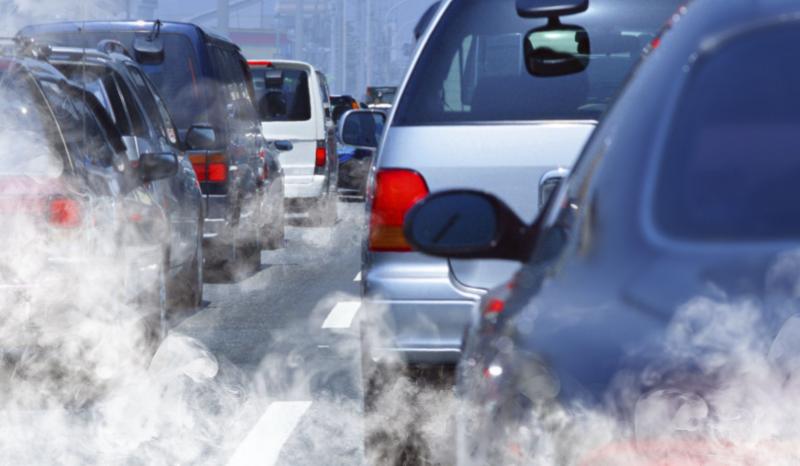
Sustainable Mobility or transport
The aims of the project are:
•learn about the concept of sustainability in both environmental and socio-economic terms
•learn about the problems that affect the whole world, namely the problems that affect western cities and Italian cities
Φαντάζομαι
•Students create a model of a clean city and sustainable city, where all people have access to services and offers.
•In order to spread this model of a modern and smart city they plan to produce a TED- ideas worth spreading- to reach a large number of citizens inside and outside the country.
•Students create a model of a clean city and sustainable city, where all people have access to services and offers.
•In order to spread this model of a modern and smart city they plan to produce a TED- ideas worth spreading- to reach a large number of citizens inside and outside the country.

Δημιουργώ
•Students will be improvised managers of a smart city, managers of city administrations and active communicators in advertising progress in order to make everyone aware of their commitment to sustainable mobility.
•They will create a dossier on a chosen area, presenting a topical selection of solutions to support the effectiveness of the electric cars and bikes and cars sharing.
•ITS (Intelligent Transport Systems) are a reality. Investigate your car to see which intelligent transport tools are already present: navigators, speed limiters, reverse sensors, safety alarms.
•Equipped with maps of the area, in groups, students will organize themselves to survey the number of circulating private electric and / or hybrid cars, car-sharing and identify the location of columns for electric charging.
•An interview will follow with car-sharing managers of electric cars and / or owners of electric or hybrid cars, as follow:
•why did you choose this vehicle? Do you save money? Do you save time? Who would you recommend it to? What is the strong point? and which the weak once?
Students will calculate carbon footprint through this site and subsequently they will reproduce the greenhouse effect in the classroom through a simple experiments
Μοιράζομαι
•Pupils will put together the results of the various surveys conducted and will prepare a presentation to be shared in public, and on the school's social channels, with an update proposal about sustainable urban mobility in their own city, with the promotion of low environmental impact vehicles to create a sustainable city.
Pupils will choose an initiative or a technology aimed at containing the carbon emissions and create a poster, or a presentation, in order to introduce and explain it during the Earth day.
•Students will create a set of rules to follow daily where they will illustrate how to lower the CO2 footprint.
Students will calculate carbon footprint through this site and subsequently they will reproduce the greenhouse effect in the classroom through a simple experiments